

Ford Transit Connect Serpentine Belt Replacement Guide (2018-2023)
Understand the symptoms of a failing serpentine belt and choose the right replacement for your 2018-2023 Ford Transit Connect.
- You must confirm your engine size (2.0L or 2.5L) to buy the correct belt.
- Squealing noises are the first sign of a problem; inspect the belt immediately.
- Always inspect the belt tensioner and pulleys; it's best to replace them with the belt.
- A broken belt will disable your van, causing a loss of power steering and charging.
Is Your Serpentine Belt Failing?

A failing serpentine belt gives clear warning signs. If you notice any of these symptoms on your Transit Connect, it's time to inspect the belt and related parts.
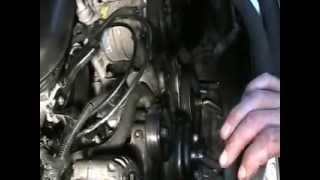
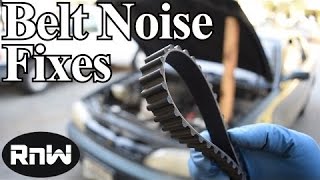
- Squealing or Chirping Noises: A high-pitched squeal or chirp from the engine bay 🎬 Watch: How to diagnose the source of belt squeaks and squeals. is the most common symptom. This noise is often worse when you first start the van or turn on the A/C. It's caused by the belt slipping because it's old, worn, or not tight enough.
- Visible Damage: Pop the hood and look at the belt. If you see cracks, frayed edges, missing pieces, or a shiny, glazed surface, the belt is worn out and needs to be replaced.
- Accessory Failure: If your air conditioning stops blowing cold air or the steering becomes very heavy and difficult to turn, the belt may have failed.
- Warning Lights: A battery warning light on your dashboard can mean the belt is no longer spinning the alternator, so your battery isn't charging.
- Overheating: If the belt drives the water pump, a failure will cause the engine to overheat quickly, which can lead to severe engine damage.
Check the Tensioner and Pulleys
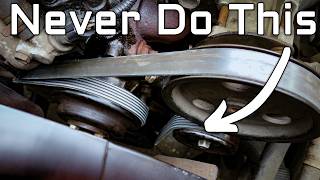
Often, a squealing noise isn't the belt's fault. It can be caused by a bad belt tensioner or a worn-out idler pulley. The tensioner is a spring-loaded part that keeps the belt tight. If its internal spring is weak or the pulley bearing is failing (often making a buzzing or grinding noise), it won't hold the belt correctly. It is highly recommended to replace the tensioner and any idler pulleys 🎬 Watch: How to replace the belt and tensioner component kit. when you replace the belt.
Choosing the Right Aftermarket Belt

When shopping for a new serpentine belt for your 2018-2023 Transit Connect, you have several quality options. The most important step is to buy the correct part for your specific engine, as the 2.0L and 2.5L engines use different belts. 🎬 See this walkthrough for changing belts on the 2.5L engine. Some models may also use a separate, smaller stretch belt for the A/C compressor.
OEM vs. Aftermarket Quality
Motorcraft (OEM): This is the original Ford part. It guarantees a perfect fit and is known for its long life. However, it is often the most expensive option, and some sources suggest that Motorcraft belts are made by major aftermarket brands like Gates anyway.
Premium Aftermarket (Continental, Gates): Brands like Continental and Gates are considered top-tier in the aftermarket world. They are often original equipment manufacturers for many car brands and produce belts that meet or exceed factory specifications. These brands provide OEM-level quality and durability, often at a lower price point.
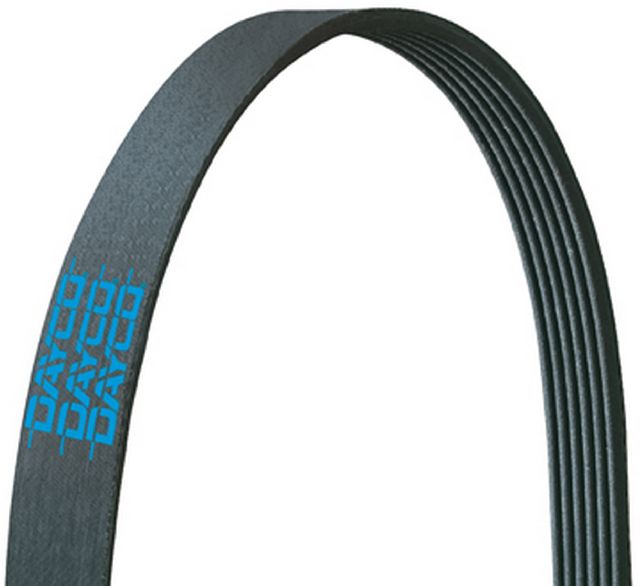
Standard Aftermarket (Dayco): Dayco is another well-respected brand that offers reliable, quality belts. They are a great choice for a balance of performance and value, making them a popular option for DIY repairs and independent shops.
Common Ordering Mistake
The biggest mistake is ordering a belt without confirming your van's engine size. The 2018-2023 Transit Connect was available with a 2.0L or a 2.5L engine, and they require different belts. Always verify your engine before purchasing to avoid getting a part that is too long or too short.
Replacement Cost

The cost to replace a serpentine belt depends on whether you do it yourself or take it to a shop. The parts are affordable, but labor can add to the total cost.
| Part/Service | Estimated Cost |
|---|---|
| New Aftermarket Serpentine Belt | $22 - $57 |
| New OEM (Motorcraft) Serpentine Belt | $30 - $65 |
| Shop Labor | $95 - $200 |
| Total Professional Replacement | $125 - $265 |
Frequently Asked Questions

How often should I replace the serpentine belt?
There is no single strict interval, but most serpentine belts last between 50,000 and 100,000 miles. It's best to visually inspect the belt for cracks or fraying at every oil change or at least every 6,000 miles. If it's making noise or looks worn, replace it regardless of mileage.
Can I drive my Transit Connect with a broken serpentine belt?
No. If the belt breaks, the alternator will stop charging the battery, and the vehicle will stall once the battery dies. You will also lose power steering, making the van very difficult to steer. If the belt runs the water pump, the engine will overheat, risking catastrophic damage. Pull over safely as soon as possible.
How do I know which belt is right for my van?
You must know your engine size. The 2.0L and 2.5L engines in the 2018-2023 Transit Connect use different belts. Some configurations may also have a second, separate belt for the air conditioning. The best way to ensure you get the right part is to use your vehicle's VIN or select your specific engine when ordering.
Should I replace the tensioner and pulleys with the belt?
Yes, it is highly recommended. The tensioner and idler pulleys wear out over time, just like the belt. A worn tensioner is a common cause of belt failure and noise. Replacing these components at the same time as the belt is a smart preventive measure that can save you from having to do the job twice.
Helpful Videos


Technical Specifications
OEM Part Numbers: JX6Z-8620-F JX6Z-8620-E JX6Z-8620-D CV6Z-8620-E GJ5Z-8620-A
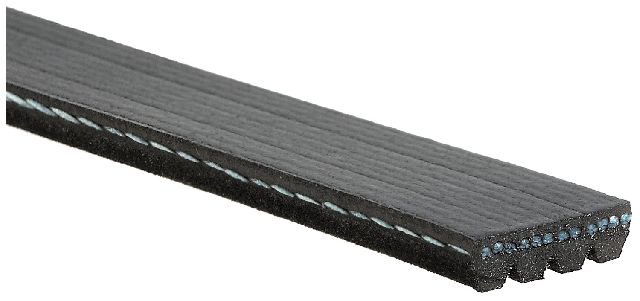
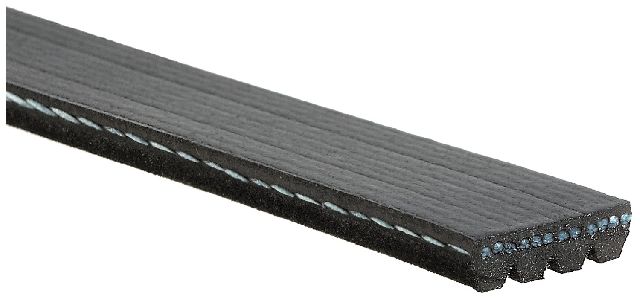
Varies by engine (2.0L vs 2.5L) and accessories. Belts are made of EPDM rubber and can be standard multi-rib or stretch-fit designs.
We Have This Part in Stock

The information in this article is provided for general reference and educational purposes only. Vehicle specifications, procedures, and part compatibility can vary by production date, trim level, and region. Always consult your vehicle's factory service manual and verify part numbers before purchasing or performing repairs. Safety-critical components such as airbags, seat belts, and braking systems should be installed by a qualified professional.
- Ford Transit Connect: