

Jeep Cherokee (2018-2023) Engine Crankshaft Position Sensor Guide
Everything a Jeep Cherokee owner needs to know about a failing crankshaft position sensor and how to choose the right replacement.
- A failing crankshaft sensor on a 2018-2023 Jeep Cherokee will cause stalling, no-starts, and a check engine light (P0335).
- Do not drive if you suspect a bad crankshaft sensor, as the engine can stall at any time, creating a safety risk.
- For reliability, choose a high-quality aftermarket brand like NGK (NTK) or Delphi, as they are often the OEM suppliers.
- Replacement is a manageable DIY task for those with basic tools, but access to the sensor can be tight.
Is Your Jeep Cherokee Stalling or Not Starting?

If your 2018-2023 Jeep Cherokee is suddenly stalling, having trouble starting, or running rough, a bad crankshaft position sensor could be the culprit. This sensor is essential for engine operation, and when it fails, it can leave you stranded. Understanding the symptoms and knowing how to choose a quality aftermarket replacement can save you time and money.
Known Issues & Recalls
While there are no specific recalls for the crankshaft position sensor itself on most 2018-2023 Jeep Cherokees, a significant recall exists for 2014-2020 Grand Cherokee models with the 3.0L Diesel engine. This recall (NHTSA Campaign Number: 23V411000) concerns the tone wheel that the sensor reads, which can break apart and cause a sudden engine stall. While this guide focuses on the Cherokee, it's a critical point for the Jeep brand during this era. Always check for recalls using your vehicle's VIN on the NHTSA website.
Symptoms of a Failing Crankshaft Sensor

A failing crankshaft sensor usually gives clear warning signs. Here’s what to look for:
- Engine Won't Start: The most common symptom is an engine that cranks over but never starts. The computer doesn't see the crankshaft turning, so it won't send spark or fuel.
- Sudden Stalling: The engine may shut off unexpectedly while you're driving, which can be very dangerous. This can happen intermittently, especially after the engine warms up. 🎬 Watch this guide to fixing common Jeep crankshaft sensor stalls.
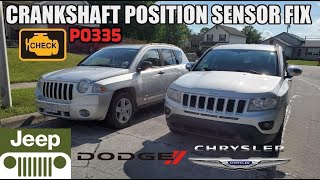
- Check Engine Light: A failing sensor will almost always trigger the check engine light. Common trouble codes include P0335 and P0336. 🎬 See how to fix P0335 codes and sensor wiring issues.
- Rough Idle and Misfires: The engine might shake, vibrate, or stumble because the timing is off.
- Poor Acceleration: Your Jeep may feel sluggish and lack power because the computer can't properly time engine events.
Choosing the Right Aftermarket Sensor: Brand Quality Matters

When it comes to critical electronic sensors, not all aftermarket brands are created equal. For Jeep vehicles, using a low-quality sensor can lead to it failing quickly or not working correctly out of the box. Based on owner feedback and mechanic recommendations, here is a breakdown of the available brands.
OEM vs. Aftermarket
For critical sensors like the crankshaft position sensor, many experienced Jeep owners and mechanics strongly recommend using either the original Mopar part or a high-quality aftermarket brand that is known to be an Original Equipment (OE) supplier. Brands like NTK (part of NGK) and Delphi often manufacture the original parts for automakers, so their aftermarket versions are typically identical to the Mopar part without the dealership price tag.
Brand Tiers for Jeep Cherokee
- Tier 1 (Highly Recommended): These brands are often OE suppliers and have a strong reputation for reliability in Jeep applications.
- NGK (NTK): Widely regarded as the top choice for Jeep sensors. Many consider NTK to be the original manufacturer for Mopar.
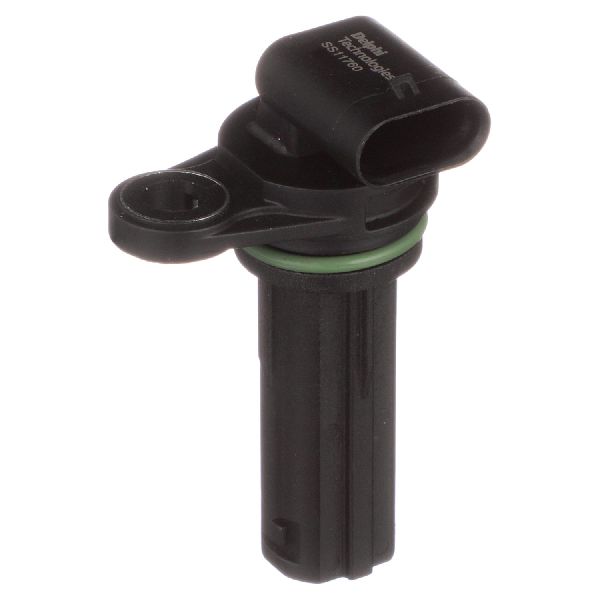
- Delphi: Another top-tier OE supplier with a reputation for quality electronics.
- Standard Ignition (SMP): A well-respected brand, often considered a reliable option if NTK or Delphi are unavailable.
- Tier 2 (Good Value): These brands can be a good budget-friendly choice, but quality can sometimes be inconsistent.
- Dorman: Known for providing a wide range of aftermarket parts, sometimes with design improvements over the original. Quality is generally considered decent.
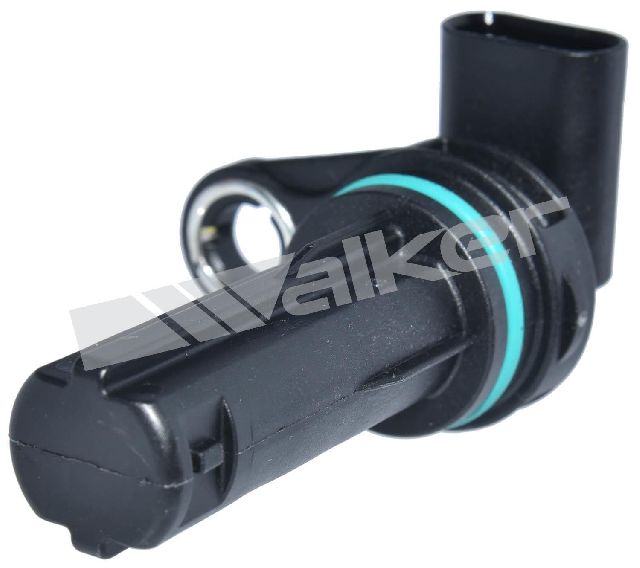
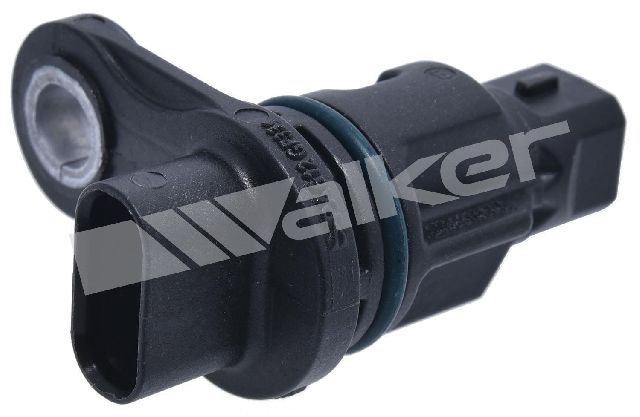
- Walker Products: A long-standing aftermarket brand offering a balance of price and performance.
- Tier 3 (Use with Caution): These brands are typically the most affordable, but may have a higher risk of premature failure or compatibility issues. For a part this critical, it's often worth spending more to avoid being stranded.
- Crown Automotive: Primarily known for Jeep replacement parts, but electronic sensor quality can be a gamble compared to their mechanical parts.
- Global Parts: Generally a budget-focused brand.
Estimated Replacement Costs

The cost to replace a crankshaft position sensor can vary based on the part brand and local labor rates. The job is relatively simple for a mechanic, but accessing the sensor can sometimes be tricky.
| Item | Estimated Cost |
|---|---|
| New Aftermarket Part | $35 - $122 |
| Shop Labor | $90 - $180 |
| Total Estimated Cost | $125 - $302 |
Note: Costs are estimates and will vary by location and service center.
Frequently Asked Questions (FAQ)
Can I replace the crankshaft position sensor myself?
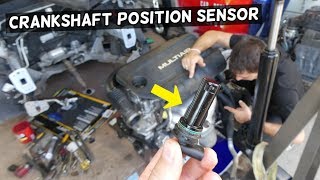
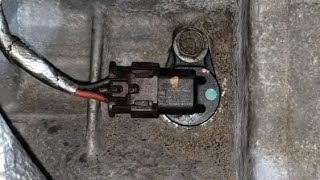
Yes, this is a DIY-feasible job for someone with basic mechanical skills. The sensor is typically located on the engine block or bellhousing and held in by a single bolt. On the 2.4L engine, for example, it is located near the exhaust manifold. 🎬 Watch: Locate and replace the sensor on a 2.4L engine. You will need basic hand tools like a ratchet and extensions. However, access can be tight, so patience is key. Always disconnect the negative battery terminal before starting work.
What is the difference between a crankshaft and a camshaft sensor?
They perform similar functions but monitor different parts. The crankshaft sensor tracks the rotation of the crankshaft at the bottom of the engine, while the camshaft sensor tracks the camshaft's position at the top of the engine. Both signals are needed by the PCM for proper timing. A failure in either can cause similar symptoms like stalling or no-start.
Do I need to perform a 'relearn' procedure after replacing the sensor?
For most Jeep Cherokee models in this year range, a specific manual relearn procedure is not typically required for the crankshaft position sensor itself. The engine computer will adapt to the new sensor after a few drive cycles. However, it is always a good practice to clear any stored trouble codes with a scanner after the replacement is complete.
Why shouldn't I just buy the cheapest sensor available?
The crankshaft position sensor is a part you cannot afford to have fail unexpectedly. Cheaper, unproven brands often use lower-quality internal electronics and materials that can't withstand the heat and vibration of the engine bay. This leads to a much higher rate of failure, often within a short period, leaving you with the same problem and the cost of another repair. Investing in a quality brand like NTK or Delphi is a smart choice for reliability.
Helpful Videos
Technical Specifications
OEM Part Numbers: 68079375AD
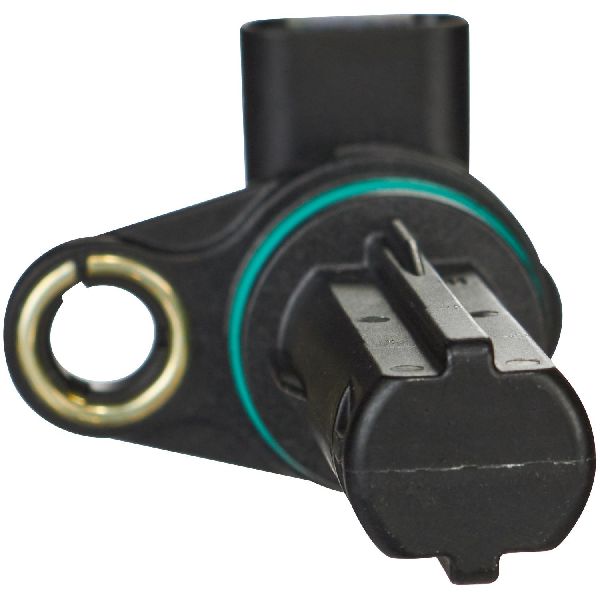
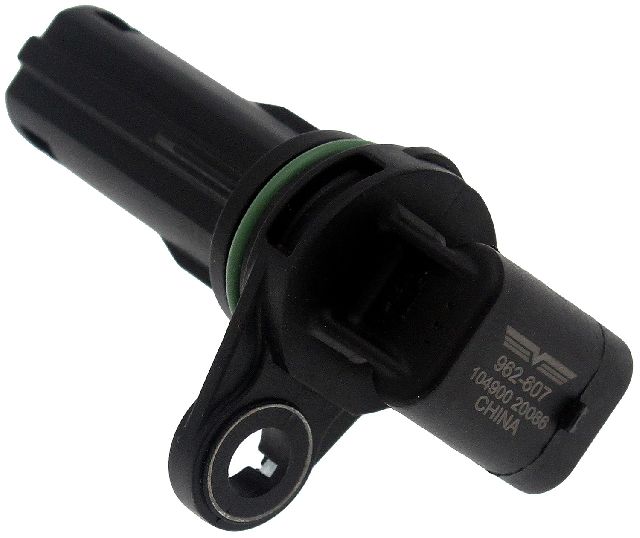
The sensor is a 3-pin Hall-effect sensor that reads the rotation of the crankshaft. It is typically mounted on the engine block with a single 10mm bolt.
We Have This Part in Stock


The information in this article is provided for general reference and educational purposes only. Vehicle specifications, procedures, and part compatibility can vary by production date, trim level, and region. Always consult your vehicle's factory service manual and verify part numbers before purchasing or performing repairs. Safety-critical components such as airbags, seat belts, and braking systems should be installed by a qualified professional.
- Jeep Cherokee:
- 🎬 Helpful Videos
- 🛍️ Shop This Part
- Is Your Jeep Cherokee Stalling or Not Starting?
- Known Issues & Recalls
- Symptoms of a Failing Crankshaft Sensor
- Choosing the Right Aftermarket Sensor: Brand Quality Matters
- OEM vs. Aftermarket
- Brand Tiers for Jeep Cherokee
- Estimated Replacement Costs
- Frequently Asked Questions (FAQ)
- 🎟️ Get 5% Off