

Mitsubishi Eclipse Cross Oxygen Sensor: A Guide for 2018-2023 Models
Is your 2018-2023 Eclipse Cross running rough or losing gas mileage? The oxygen sensor could be the problem.
- Your Eclipse Cross is sensitive to sensor choice; use a direct-fit sensor from an OEM-quality brand like Denso or NGK/NTK for best results.
- Symptoms include a check engine light, poor gas mileage, and a rough-running engine.
- No specific recalls or TSBs exist for this part, making diagnosis based on symptoms important.
- Replacement is a manageable DIY task, but resetting the ECU after installation is a crucial step.
Understanding Oxygen Sensor Failure in Your Eclipse Cross
When an oxygen sensor in your 2018-2023 Mitsubishi Eclipse Cross starts to fail, it can cause noticeable problems. Because these sensors play a key role in managing your engine's air-fuel ratio, a bad sensor can send wrong information to the vehicle's computer. This can lead to poor engine performance, increased fuel consumption, and higher emissions. While there are no specific recalls or technical service bulletins (TSBs) from Mitsubishi for oxygen sensor failure on this model, owner forums report issues like sputtering and power loss that were traced back to the sensor.
Symptoms of a Failing Oxygen Sensor
If you experience any of these symptoms, your oxygen sensor might need to be replaced:
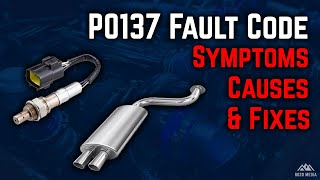
- Check Engine Light: This is the most common sign. A code scanner will often show codes related to the O2 sensor heater circuit or performance. 🎬 Watch this before replacing your sensor to avoid common mistakes.
- Poor Fuel Economy: A bad sensor can cause the engine to use more fuel than necessary, so you'll find yourself at the gas pump more often.
- Rough Idle and Sputtering: Your Eclipse Cross may run rough, shake, or sputter when stopped or during acceleration.
- Loss of Power: You might notice the vehicle feels sluggish or hesitates when you press the gas pedal.
- Rotten Egg Smell: A failing sensor can lead to an inefficient catalytic converter, causing a sulfur or rotten egg smell from the exhaust.
A Note on Universal vs. Direct-Fit Sensors
Some Eclipse Cross owners have reported that these vehicles are 'picky' about replacement sensors. Using a 'universal' sensor that requires you to splice wires is strongly discouraged. These can send improper signals to the engine computer and may not solve the problem or could even make it worse. Always choose a 'direct-fit' sensor with the correct plug for your vehicle to ensure compatibility and proper function.
Choosing the Right Aftermarket Oxygen Sensor
When replacing the oxygen sensor, you have several brand choices. For a Japanese vehicle like your Mitsubishi, sticking close to the original equipment (OE) quality is often the best strategy.
Tier 1: OEM-Level Quality
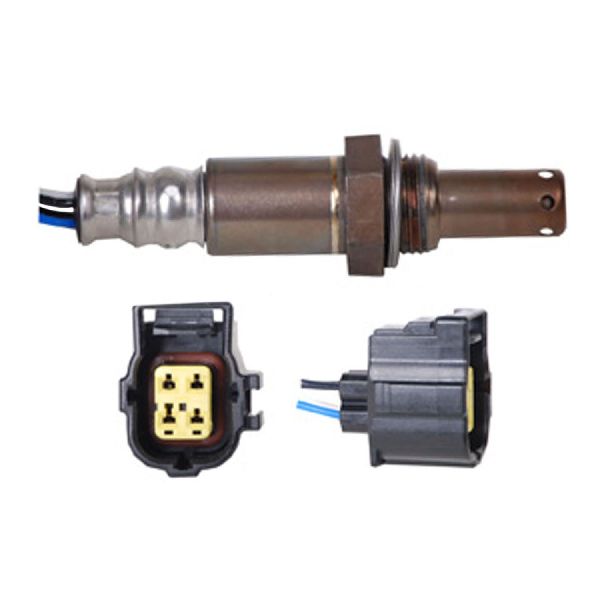
Denso & NGK (NTK): Denso and NGK (which makes NTK sensors) are major original equipment suppliers for many Japanese automakers, including Mitsubishi. The original upstream sensor in the Eclipse Cross is often an NTK part. Choosing a direct-fit sensor from Denso or NTK is the closest you can get to buying the part from a Mitsubishi dealer, often at a lower price. They are widely trusted for their reliability and compatibility with Japanese engine management systems.
Tier 2: Reputable Aftermarket
Bosch: Bosch is a massive, high-quality parts manufacturer that invented the automotive oxygen sensor. They make excellent sensors, but some mechanics and owners prefer to use Denso or NGK on Japanese vehicles unless Bosch was the original part. While many have used Bosch sensors on Japanese cars without issue, some forum discussions mention potential compatibility quirks. If choosing Bosch, ensure it is a direct-fit model specifically listed for the Eclipse Cross. Be cautious of counterfeit parts when buying from large online marketplaces.
Tier 3: Budget-Friendly Option
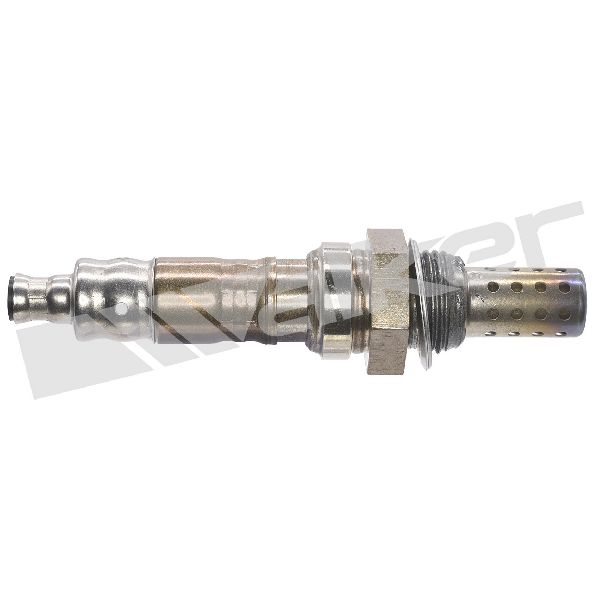
Walker Products: Walker is a well-known aftermarket brand that often provides a more affordable alternative. They produce direct-fit sensors that will work, but some users have questioned their long-term durability compared to OEM-level brands. For a critical component like an upstream air/fuel sensor, spending a little more for a Denso or NGK part is a wise investment in long-term reliability.
Pro Tip: Upstream vs. Downstream
Your Eclipse Cross has both an upstream (before the catalytic converter) and a downstream sensor. The upstream sensor (also called an Air/Fuel Ratio Sensor) is more complex, more critical to engine performance, and usually more expensive. The downstream sensor mainly monitors the catalyst and is typically a less expensive part. Identify which sensor has failed before you buy.
Replacement Cost Breakdown
The cost to replace an oxygen sensor can vary significantly based on who does the work and what brand of part is used. The upstream sensor is typically more expensive than the downstream one.
| Item | Estimated Cost |
|---|---|
| Shop Labor | $98 - $143 |
| New Aftermarket Part (DIY) | $72 - $253 |
| New OEM Part (Dealer) | $430 - $620 |
| Total (Aftermarket Part, Pro Install) | $170 - $396 |
| Total (OEM Part, Pro Install) | $528 - $763 |
Frequently Asked Questions
Where are the oxygen sensors located on my Eclipse Cross?
The 2018-2023 Eclipse Cross has at least two oxygen sensors. The upstream (Bank 1, Sensor 1) sensor is located in the exhaust manifold before the catalytic converter. The downstream (Bank 1, Sensor 2) sensor is located after the catalytic converter.
🎬 Watch: See the exact location of the rear O2 sensor.Can I replace the oxygen sensor myself?
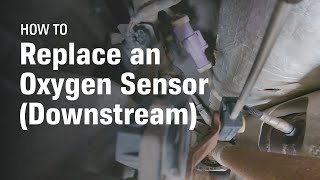
Yes, this is a DIY-feasible job for someone with basic mechanical skills. You will need a special oxygen sensor socket to avoid damaging the part. 🎬 See this walkthrough for replacing a downstream oxygen sensor. Make sure the exhaust is completely cool before you begin. After replacing the sensor, it's a good idea to clear the check engine light codes with an OBD-II scanner.
Does the car's computer need to be reset after replacement?
Yes, it is recommended. After installing the new sensor, you should clear the diagnostic trouble codes (DTCs) using an OBD-II scanner. Some owners have noted that the engine computer may need time to 'relearn' and adjust to the new sensor. If you don't have a scanner, disconnecting the battery for about 15 minutes may also reset the computer, but clearing codes with a scanner is the preferred method.
What are the OEM part numbers for the Eclipse Cross oxygen sensor?
The most commonly cited OEM part number for the upstream air/fuel sensor is 1588A471. Other numbers like 1588A141 and 1588A350 have also been associated with the vehicle, possibly for the downstream sensor or different production runs. Always verify the part number with your vehicle's VIN for a guaranteed fit.
Helpful Videos

Technical Specifications
OEM Part Numbers: 1588A471 1588A141 1588A350
The 2018-2023 Mitsubishi Eclipse Cross uses a heated, 4-wire or 5-wire oxygen sensor. The upstream sensor is a wideband Air/Fuel ratio sensor, while the downstream is a narrow-band sensor.
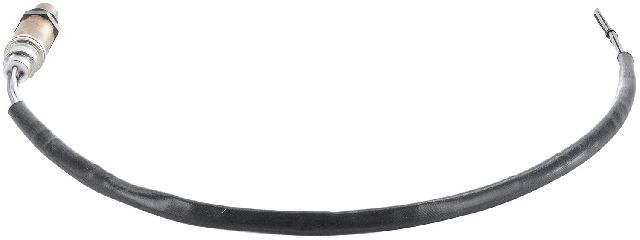
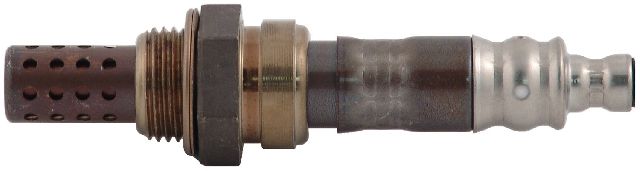
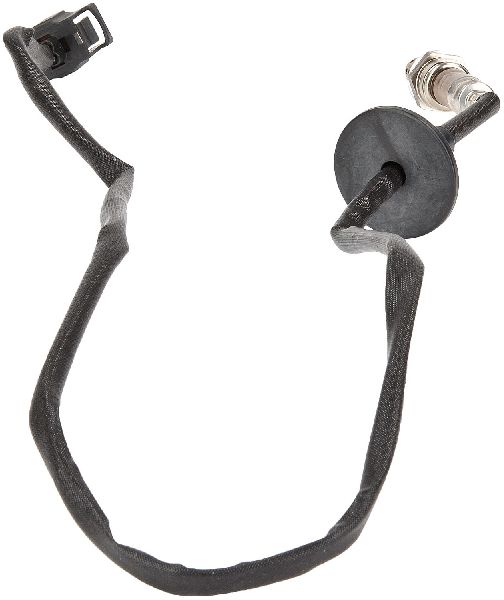
We Have This Part in Stock

The information in this article is provided for general reference and educational purposes only. Vehicle specifications, procedures, and part compatibility can vary by production date, trim level, and region. Always consult your vehicle's factory service manual and verify part numbers before purchasing or performing repairs. Safety-critical components such as airbags, seat belts, and braking systems should be installed by a qualified professional.
- Mitsubishi Eclipse Cross:
- 🎬 Helpful Videos
- 🛍️ Shop This Part
- Understanding Oxygen Sensor Failure in Your Eclipse Cross
- Symptoms of a Failing Oxygen Sensor
- A Note on Universal vs. Direct-Fit Sensors
- Choosing the Right Aftermarket Oxygen Sensor
- Tier 1: OEM-Level Quality
- Tier 2: Reputable Aftermarket
- Tier 3: Budget-Friendly Option
- Pro Tip: Upstream vs. Downstream
- Replacement Cost Breakdown
- Frequently Asked Questions
- 🎟️ Get 5% Off