

Chevrolet Traverse Manifold Absolute Pressure (MAP) Sensor Guide (2018-2024)
Understand the symptoms of a bad MAP sensor in your Traverse and learn how to choose the right aftermarket replacement.
- A bad MAP sensor on a Traverse will almost always cause a Check Engine Light with codes like P0106 or P0107.
- Symptoms directly impact drivability, including rough idle, poor fuel economy, and hesitation.
- Replacement is a very easy DIY task, located on top of the engine and held by one screw.
- Choosing a quality aftermarket brand like Bosch, Delphi, or Standard Motor Products is a reliable alternative to OEM.
Symptoms of a Failing MAP Sensor in a Traverse
When the MAP sensor in your 2018-2024 Traverse starts to fail, it sends incorrect pressure readings to the engine's computer. This can throw off the delicate balance of air and fuel, leading to several noticeable problems. Ignoring these symptoms can lead to poor performance, higher fuel costs, and potentially damage other engine components over time.
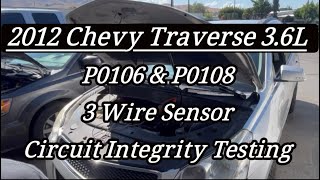
- Check Engine Light: This is often the first sign. A failing MAP sensor will trigger diagnostic trouble codes (DTCs). Common codes for this issue on a Traverse include P0106, P0107, and P0108. 🎬 Watch: How to diagnose these MAP sensor trouble codes.
- Poor Fuel Economy: If the sensor incorrectly tells the computer the engine is under a heavy load, it will inject too much fuel, causing your gas mileage to drop suddenly.
- Rough Idle or Stalling: An unstable air-fuel mixture can make your Traverse's engine shake, surge, or even stall when you're stopped.
- Hesitation and Lack of Power: Your SUV might feel sluggish or weak when you accelerate. This happens when the sensor sends a signal that starves the engine of the fuel it needs.
- Black Smoke from Exhaust: An overly rich fuel mixture (too much fuel, not enough air) doesn't burn completely, resulting in black smoke coming from the tailpipe.
- Failed Emissions Test: The incorrect air-fuel ratio increases harmful emissions, which will cause your vehicle to fail a smog check.
Known Issues, Recalls, and TSBs
As of early 2026, there are no active recalls or widespread Technical Service Bulletins (TSBs) specifically for MAP sensor failure on the 2018-2024 Chevrolet Traverse. However, the diagnostic trouble codes associated with MAP sensors (P0106, P0107) are common across many GM vehicles. Often, these codes can be triggered by issues other than a bad sensor, such as vacuum leaks, a dirty throttle body, or wiring problems. It's important to diagnose the problem correctly before replacing the part.
Choosing the Right Aftermarket MAP Sensor
When replacing the MAP sensor on your Traverse, you have a choice between OEM (Original Equipment Manufacturer) and various aftermarket brands. For a component like a MAP sensor, many aftermarket options provide excellent quality, often meeting or exceeding OEM standards.
Brand Quality Tiers
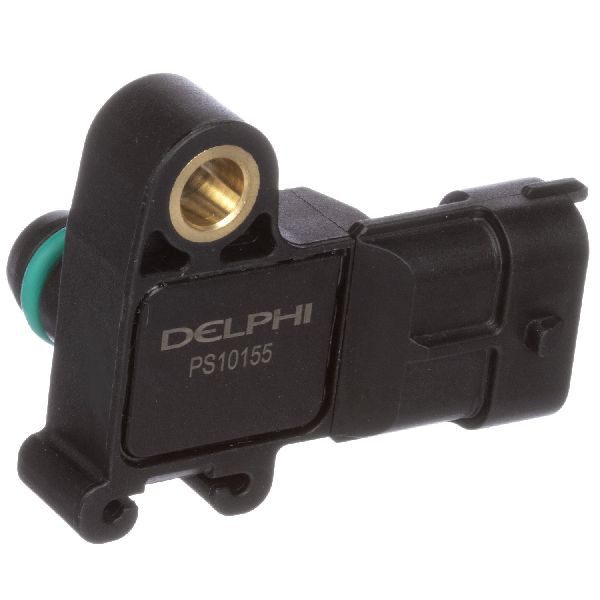
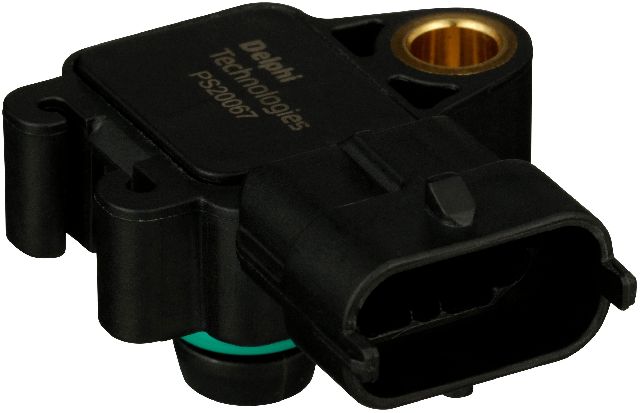
- Premium Aftermarket (Bosch, Delphi): These brands are often the original equipment suppliers to automakers like GM. Choosing a sensor from Bosch or Delphi is the closest you can get to the original part's quality and reliability, ensuring accurate readings and long life.
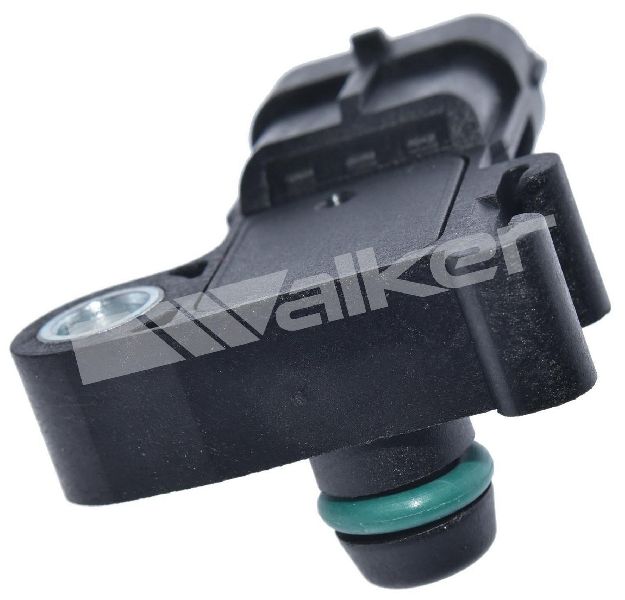
- Quality Aftermarket (Standard Motor Products, NGK, Walker Products): These are well-respected brands in the auto parts industry. Standard Motor Products (SMP) has a long history and is known for producing reliable sensors. Walker Products also engineers their sensors to meet or exceed OE specifications and has over 75 years of experience. These brands offer a great balance of quality and price.
- Economy Brands (Global Parts, True Tech, and others): While more budget-friendly, the quality and longevity of these sensors can be inconsistent. They may be a suitable option for a quick fix, but for a critical sensor like the MAP, investing in a higher-tier brand is generally recommended for long-term peace of mind.
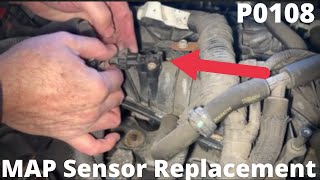
Pro Tip: The MAP sensor on the 3.6L V6 engine is located on the top front of the engine, mounted directly to the intake manifold. It is held in by a single Torx screw (usually a T25 or T30) and is very easy to access and replace, making it a great DIY job for most owners.
🎬 See this step-by-step Traverse MAP sensor replacement walkthrough.| Part Type | Estimated Cost |
|---|---|
| New OEM (GM Genuine) | $40 - $60 |
| New Aftermarket | $39 - $104 |
| Shop Labor | $37 - $54 |
Frequently Asked Questions (FAQ)
Where is the MAP sensor located on a 2018-2024 Traverse?
The MAP sensor is located on the top, front portion of the engine's intake manifold. It is easily visible after removing the plastic engine cover. It is secured by one Torx screw and has an electrical connector attached.
Can I replace the MAP sensor myself?
Yes, this is a very simple repair that most DIYers can complete in under 15 minutes. You will need a small ratchet and a Torx bit socket (T25 or T30). Simply disconnect the electrical connector, remove the single screw, and gently pull the old sensor out. It's a good idea to apply a small amount of lubricant to the new sensor's O-ring before installation.
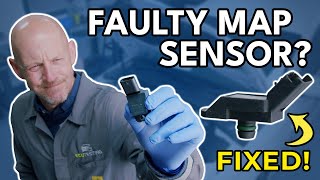
🎬 Watch: A quick guide to replacing the sensor on this engine.What's the difference between a MAP and a MAF sensor?
A MAP (Manifold Absolute Pressure) sensor measures air pressure inside the intake manifold, while a MAF (Mass Air Flow) sensor measures the volume and density of air entering the engine. Your Traverse's 3.6L engine uses a MAP sensor to help calculate engine load.
Should I buy an OEM or Aftermarket MAP sensor?
For this part, high-quality aftermarket brands like Bosch, Delphi, or Standard Motor Products offer reliability that is on par with the OEM part, often at a better price. Since GM Genuine parts are also reasonably priced for this sensor, the choice often comes down to availability and brand preference. Avoid the cheapest options, as sensor accuracy is critical for engine performance.
Helpful Videos

Technical Specifications
OEM Part Numbers: 55573248 12591290 25203477 12612110 12643955
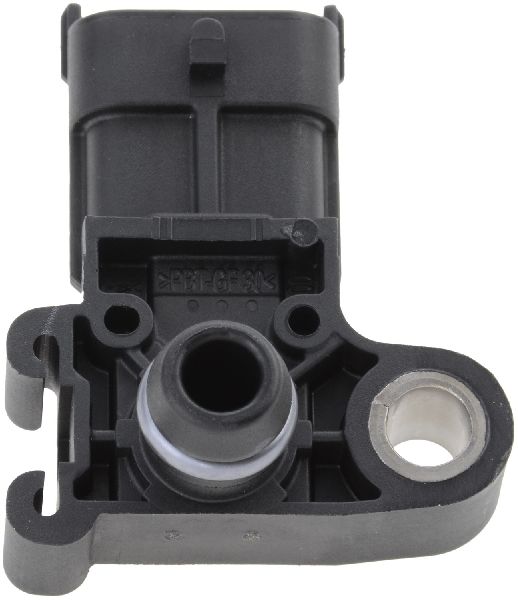
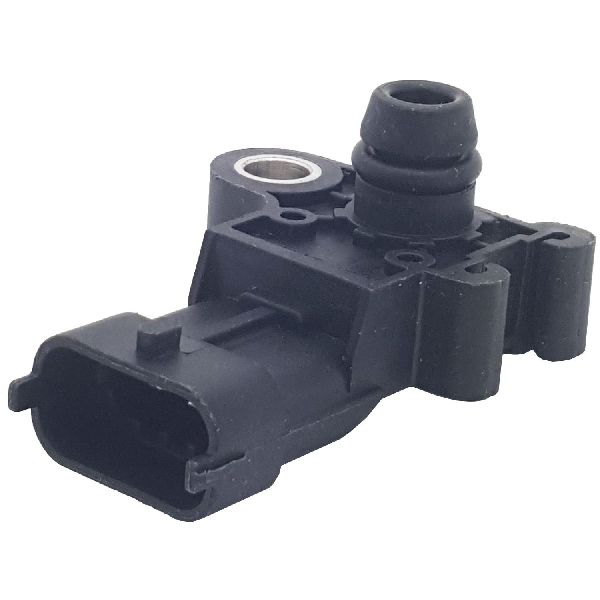
The MAP sensor for the 2018-2024 Traverse is typically a 3-pin sensor that mounts directly to the intake manifold. It operates on a 5-volt reference signal from the PCM and outputs a variable voltage signal based on manifold pressure changes.
We Have This Part in Stock


The information in this article is provided for general reference and educational purposes only. Vehicle specifications, procedures, and part compatibility can vary by production date, trim level, and region. Always consult your vehicle's factory service manual and verify part numbers before purchasing or performing repairs. Safety-critical components such as airbags, seat belts, and braking systems should be installed by a qualified professional.
- Chevrolet Traverse: