

Ford Bronco Oxygen Sensor Guide: 2021-2024 Models
Fix your check engine light and restore your Bronco's performance by understanding its oxygen sensors.
- A check engine light is the most common symptom of a failing oxygen sensor.
- For 2021 2.7L models, check for TSB 21-2366 if you have P2096/P2098 codes before replacing parts.
- You must buy the correct sensor for your engine (2.3L/2.7L/3.0L) and position (upstream/downstream).
- While aftermarket sensors from brands like Walker are a good value, some Broncos can be sensitive, and OEM Motorcraft sensors guarantee compatibility.
Is Your Bronco's Oxygen Sensor Failing?
A bad oxygen sensor is a common reason for a check engine light in the 2021-2024 Ford Bronco. When a sensor fails, the engine's computer gets bad information, leading to problems you can feel and see. Ignoring a failing sensor can lead to worse fuel mileage and, over time, expensive damage to your catalytic converter.
Common Symptoms of a Bad O2 Sensor:
- Check Engine Light: This is the most common sign. Codes like P0131, P0135, P0420, or P2096 often point to an O2 sensor issue.
- Worse Gas Mileage: The engine may use more fuel than necessary because of an incorrect air-fuel mixture.
- Rough Idle or Misfires: Your Bronco might shake at a stop or hesitate when you accelerate.
- Failed Emissions Test: A bad O2 sensor will almost always cause a failed smog check.
- Rotten Egg Smell: This indicates that unburned fuel is getting into the exhaust, a problem a bad sensor can cause.
Known Issue for 2.7L Bronco (TSB 21-2366)
Some 2021 Broncos with the 2.7L EcoBoost engine may get a check engine light with codes P2096 and/or P2098. Ford issued a Technical Service Bulletin (TSB 21-2366) for this issue. The fix involves a software update for the engine computer (PCM) and possibly an inspection of the catalyst monitor sensor. If you have these specific codes, check with a dealer about this TSB before replacing parts.
Choosing the Right Aftermarket Oxygen Sensor
When you shop for a new oxygen sensor, you need to know three things: your Bronco's engine size (2.3L, 2.7L, or 3.0L), and whether you need an upstream or downstream sensor. These parts are not interchangeable. The 2.7L and 3.0L V6 engines have two banks of cylinders (Bank 1 and Bank 2), each with its own set of sensors, so be sure to identify the correct location.
OEM vs. Aftermarket Quality
The original sensors on your Bronco are made by Motorcraft, Ford's own brand. They are designed to work perfectly with the vehicle's computer. Some aftermarket sensors, especially very cheap ones, can sometimes cause compatibility problems with the Bronco's sensitive engine computer, leading to persistent check engine lights. However, quality aftermarket brands offer a reliable and more affordable alternative.
- Premium Aftermarket (e.g., Bosch, Denso): These brands are often the original equipment manufacturer for many car companies and are known for their quality and reliability. They are an excellent choice that often meets or exceeds OEM standards.
- Standard Aftermarket (e.g., Walker Products): Walker is a well-known brand that provides a good balance of quality and price. For many owners, a Walker sensor is a direct-fit replacement that solves their check engine light issues for less money than an OEM part. While most users have good experiences, it's important to ensure you buy from a reputable source.
Common Ordering Mistake
Always verify the sensor's position (Upstream/Downstream) and, for V6 engines, the correct bank (Bank 1/Bank 2) before ordering. Bank 1 is on the same side as cylinder #1. For the Bronco's 2.7L engine, Bank 1 is the passenger side.
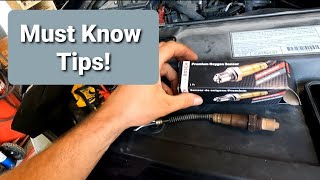
🎬 See this walkthrough for replacing a Bank 1 upstream sensor.Oxygen Sensor Replacement Cost
The cost depends on whether you do it yourself or go to a shop. The sensors themselves vary in price based on brand and position.
| Part or Service | Estimated Cost |
|---|---|
| New OEM (Motorcraft) Sensor | $70 - $195 per sensor |
| New Aftermarket (Walker) Sensor | $87 - $153 per sensor |
| Shop Labor | $95 - $150 |
| Total Professional Replacement | $200 - $380+ |
Frequently Asked Questions
How many oxygen sensors does my Ford Bronco have?
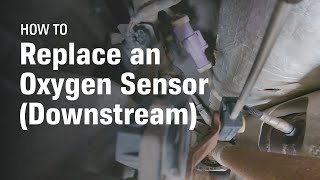
It depends on your engine. The 2.3L I4 engine has two sensors: one upstream and one downstream. 🎬 Watch: Step-by-step guide to replacing a downstream oxygen sensor. The 2.7L and 3.0L V6 engines have four sensors: one upstream and one downstream for each bank of cylinders (two banks total).
Can I replace just one oxygen sensor?
Yes. You only need to replace the sensor that has failed. A code scanner can help you identify which sensor is causing the problem. However, oxygen sensors have a similar lifespan, so if one fails, another may not be far behind.
What tools do I need to replace an O2 sensor?
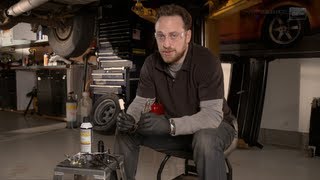
You will need a special tool called an oxygen sensor socket, which has a slot for the wire. You will also need a ratchet, penetrating oil to loosen the old sensor, and anti-seize compound for the new sensor's threads 🎬 Watch: A helpful demonstration of the full O2 sensor replacement process. (though it's often included).
Are there any recalls for Bronco oxygen sensors?
As of early 2026, there are no specific recalls from Ford or the NHTSA for oxygen sensor failures on the 2021-2024 Ford Bronco.
Helpful Videos
Technical Specifications
OEM Part Numbers: MB3Z-9F472-C MB3Z-9F472-D MB3Z-9G444-D MB3Z-9G444-E K2GZ-9G444-D
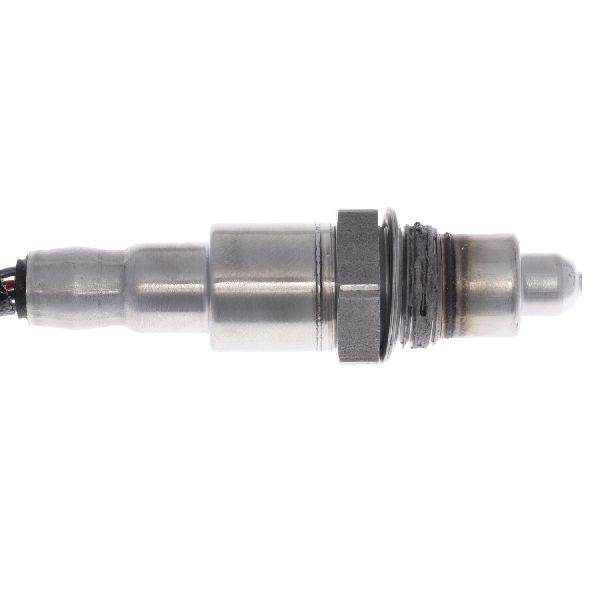
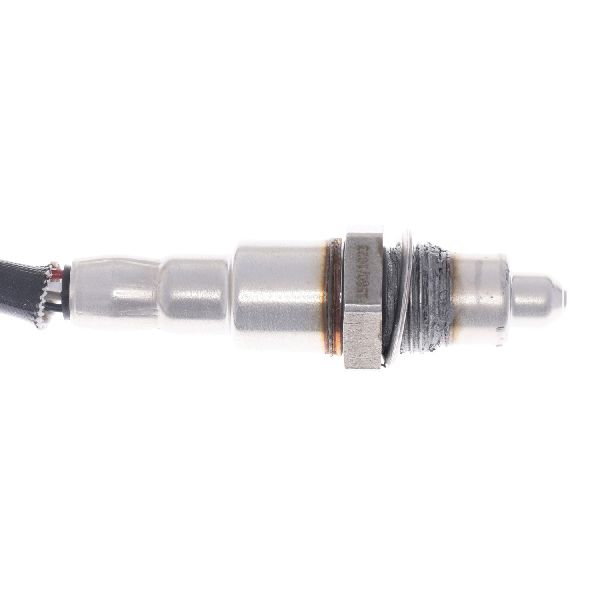
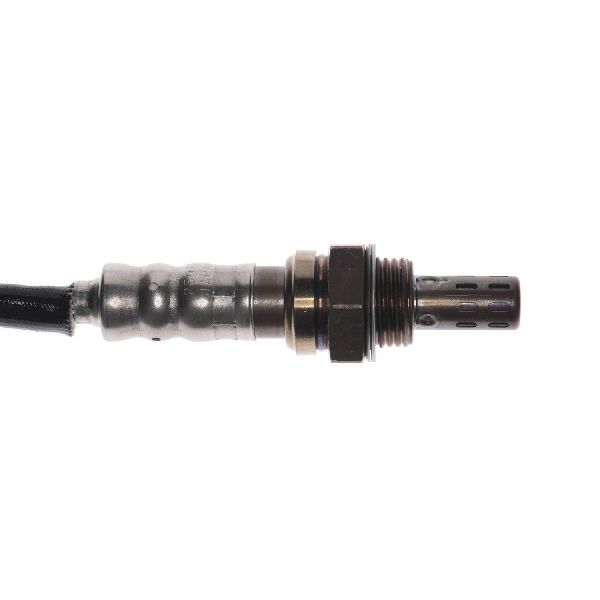
Your Bronco uses heated, wideband-type oxygen sensors. They have either 5 or 6 wires and a specific connector that plugs directly into the vehicle harness. The thread size is typically M18. Upstream and downstream sensors have different wire lengths and internal calibrations and are not interchangeable.
We Have This Part in Stock

The information in this article is provided for general reference and educational purposes only. Vehicle specifications, procedures, and part compatibility can vary by production date, trim level, and region. Always consult your vehicle's factory service manual and verify part numbers before purchasing or performing repairs. Safety-critical components such as airbags, seat belts, and braking systems should be installed by a qualified professional.
- Ford Bronco:
- 🎬 Helpful Videos
- 🛍️ Shop This Part
- Is Your Bronco's Oxygen Sensor Failing?
- Common Symptoms of a Bad O2 Sensor:
- Known Issue for 2.7L Bronco (TSB 21-2366)
- Choosing the Right Aftermarket Oxygen Sensor
- OEM vs. Aftermarket Quality
- Common Ordering Mistake
- Oxygen Sensor Replacement Cost
- Frequently Asked Questions
- 🎟️ Get 5% Off