

Ford Edge Oxygen Sensor: A Guide for 2018-2024 Models
Everything you need to know about replacing a faulty oxygen sensor on your 2018-2024 Ford Edge.
- A bad oxygen sensor will trigger the Check Engine Light and cause poor fuel economy, rough running, and reduced power.
- Do not ignore a failing O2 sensor, as it can lead to damage of the much more expensive catalytic converter.
- Stick with reputable OE-supplier brands like Bosch, NTK, or Denso for the best performance and reliability on your Ford Edge.
- Verify if you need an upstream (Sensor 1) or downstream (Sensor 2) sensor, as they are different and serve different functions.
Understanding Oxygen Sensor Failure in Your Ford Edge

Oxygen sensors in your 2018-2024 Ford Edge operate in a harsh environment, constantly exposed to hot exhaust gases. Over time, they can wear out or get contaminated by things like oil ash or coolant. When a sensor fails, it can't send the correct information to the engine's computer. This can lead to a range of problems, from bad gas mileage to serious engine performance issues. Continuing to drive with a bad O2 sensor can even damage your expensive catalytic converter.
Symptoms of a Bad Oxygen Sensor

The most common sign of a problem is the Check Engine Light on your dashboard. Other symptoms you might notice include:
- Worse Fuel Economy: You'll find yourself filling up the gas tank more often.
- Rough Engine Idle or Misfires: The engine may shake, hesitate, or run poorly, especially when stopped.
- Reduced Power: Your Edge might feel sluggish and accelerate slower than usual.
- Bad Smell: A "rotten egg" smell from the exhaust can indicate a problem.
- Failed Emissions Test: A bad O2 sensor is a common reason for failing a smog check.
Don't Ignore the Signs
While you might be able to drive with a failing oxygen sensor, it's not recommended. The engine isn't running with the right fuel mixture, which can lead to clogging the catalytic converter—a much more expensive repair.
Known Issues, Recalls, or TSBs
As of early 2026, there are no specific recalls or widespread Technical Service Bulletins (TSBs) from Ford or the NHTSA directly concerning oxygen sensor failure for the 2018-2024 Ford Edge. Failures are typically due to normal wear and tear over time and mileage.
Choosing the Right Aftermarket Oxygen Sensor

When shopping for a replacement, you'll see options from the Original Equipment Manufacturer (OEM) and various aftermarket brands. For a critical part like an oxygen sensor, quality matters.
OEM vs. Aftermarket:
Motorcraft is Ford's official parts brand. However, Ford doesn't manufacture the sensors themselves; they source them from major suppliers like Bosch or NTK (a division of NGK). This means you can often buy the exact same quality part from an aftermarket brand, sometimes in a different box, for less money. Reputable aftermarket brands like Bosch, Denso, and NTK are trusted choices. Some forum users have noted that for Ford vehicles, sticking to the original OE supplier (like NTK or Bosch) is the safest bet to avoid compatibility issues.
Brand Tiers for Your Ford Edge:
- Tier 1 (Premium OE/OEM): Motorcraft, Bosch, NTK (NGK), Denso. These brands are often the original suppliers to Ford. They provide the highest likelihood of a perfect fit and correct performance without any issues. Bosch, in particular, invented the automotive oxygen sensor and is a leading OE manufacturer. NTK is also a highly regarded OE brand.
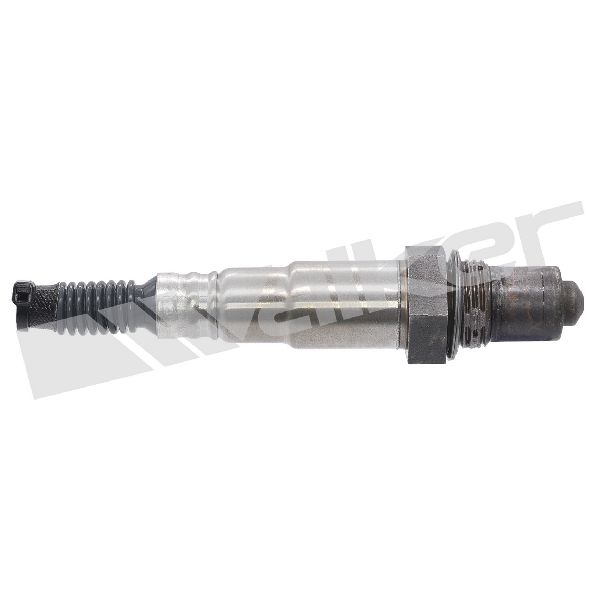
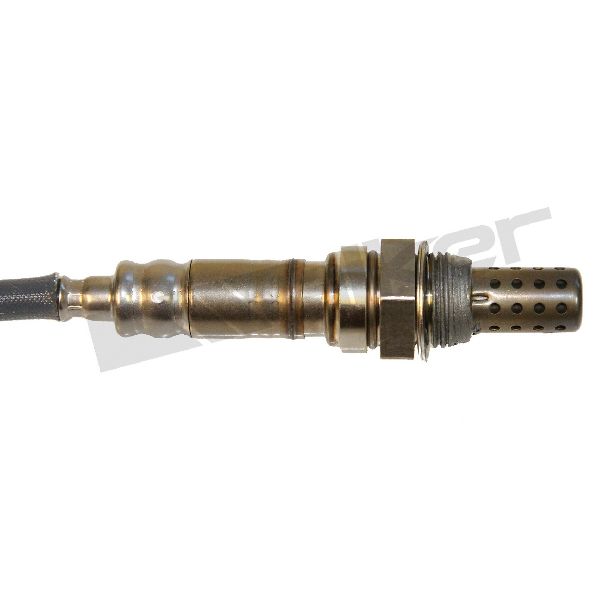
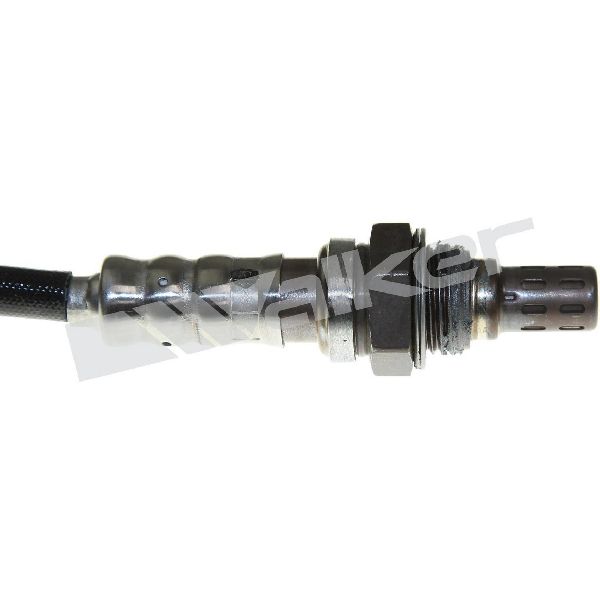
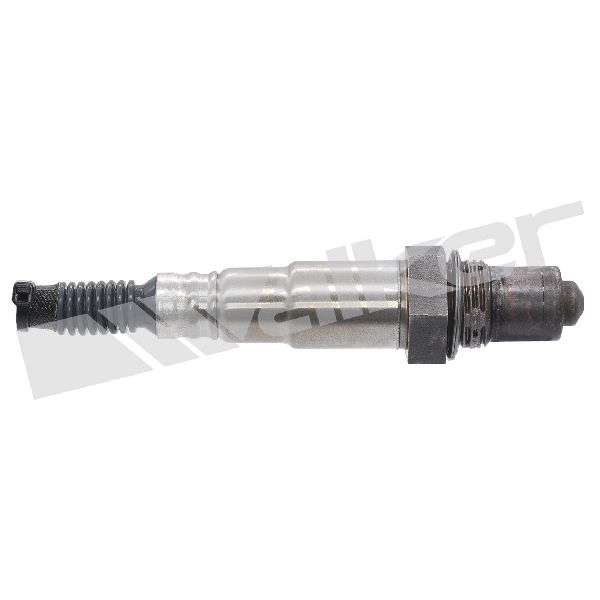
- Tier 2 (Quality Aftermarket): Walker Products. This is a well-known aftermarket brand that produces reliable replacement parts that meet or exceed OE specifications.
Upstream vs. Downstream Sensors
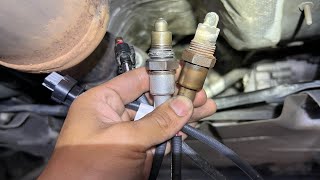
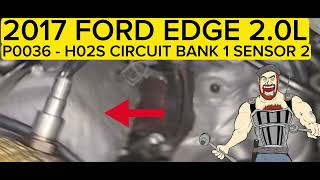
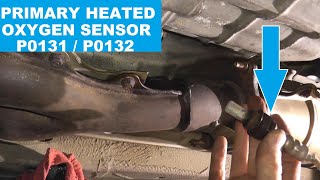
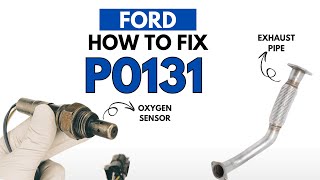
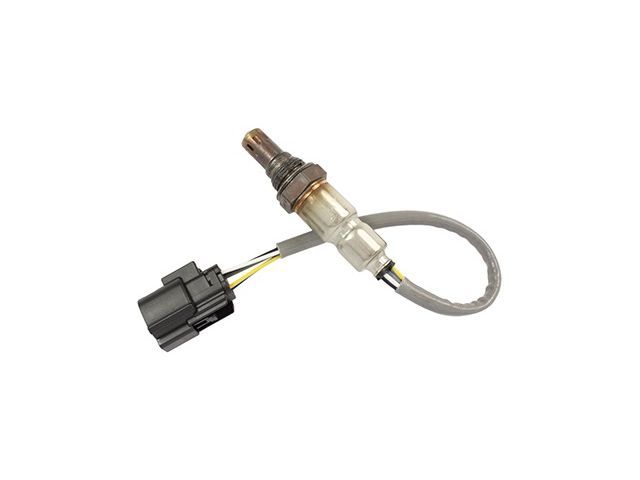
Your Edge has at least two oxygen sensors: an "upstream" sensor (before the catalytic converter) and a "downstream" sensor (after the catalytic converter). They are not always interchangeable. The upstream sensor is a wideband type that does the primary work of adjusting the air-fuel ratio, while the downstream sensor monitors the catalytic converter's efficiency. Always verify you are buying the correct sensor for the specific location (e.g., Bank 1, Sensor 1 for upstream; Bank 1, Sensor 2 for downstream).
Ford Edge Oxygen Sensor Replacement Cost
The cost depends on whether you do it yourself or go to a shop, and which brand you choose. Labor at a repair shop will typically be around one hour per sensor.
| Part Type | Part Cost | Shop Labor Cost | Total Estimated Cost |
|---|---|---|---|
| New Aftermarket | $48 - $128 | $100 - $150 | $148 - $278 |
| New OEM (Motorcraft) | $90 - $180 | $100 - $150 | $190 - $330 |
Frequently Asked Questions

How many oxygen sensors does my 2018-2024 Ford Edge have?
The 2.0L 4-cylinder engine has two sensors: one upstream (Bank 1, Sensor 1) and one downstream (Bank 1, Sensor 2). The 2.7L V6 engine has four sensors, two upstream and two downstream, because it has two cylinder banks.
Which sensor is Bank 1, Sensor 1?
"Bank 1" on the 2.0L engine refers to the single bank of cylinders. On the 2.7L V6, Bank 1 is typically the cylinder bank closer to the firewall. "Sensor 1" always refers to the upstream sensor, located before the catalytic converter.
Can I replace an oxygen sensor myself?
Yes, this is a feasible DIY job for someone with basic mechanical skills. It requires raising the vehicle safely and having a special oxygen sensor socket. The sensors can be tight, so letting the exhaust warm up slightly (be careful!) and using penetrating oil can help.
Do I need a special tool to replace an O2 sensor?
Yes, a special slotted socket called an "oxygen sensor socket" is highly recommended. It allows the socket to fit over the sensor with the wire attached.
Should I replace all the sensors at once?
It's not always necessary. Your vehicle's computer will usually tell you which specific sensor has failed via a trouble code (like P0131). However, if your vehicle has high mileage (over 80,000 miles) and one sensor fails, the others may not be far behind. Replacing them in pairs (both upstream or both downstream on a V6) is sometimes recommended for balanced performance.
Helpful Videos

Technical Specifications
OEM Part Numbers: JL3Z-9G444-C
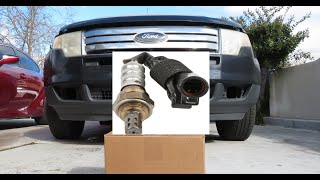
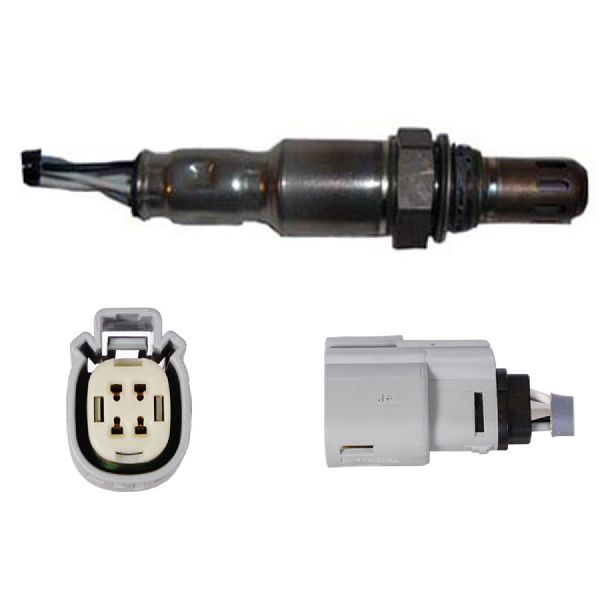
Your Ford Edge uses heated, 4-wire oxygen sensors. Upstream sensors are typically wide-band, while downstream sensors are narrow-band. The 2.0L engine has two sensors, and the 2.7L V6 has four.
We Have This Part in Stock

The information in this article is provided for general reference and educational purposes only. Vehicle specifications, procedures, and part compatibility can vary by production date, trim level, and region. Always consult your vehicle's factory service manual and verify part numbers before purchasing or performing repairs. Safety-critical components such as airbags, seat belts, and braking systems should be installed by a qualified professional.
- Ford Edge:
- 🎬 Helpful Videos
- 🛍️ Shop This Part
- Understanding Oxygen Sensor Failure in Your Ford Edge
- Symptoms of a Bad Oxygen Sensor
- Don't Ignore the Signs
- Known Issues, Recalls, or TSBs
- Choosing the Right Aftermarket Oxygen Sensor
- Upstream vs. Downstream Sensors
- Ford Edge Oxygen Sensor Replacement Cost
- Frequently Asked Questions
- 🎟️ Get 5% Off