

Ford F-150 Engine Coolant Temperature Sensor Guide (2018-2024)
Dealing with a check engine light or weird temperature readings on your F-150? Your coolant sensor might be the culprit.
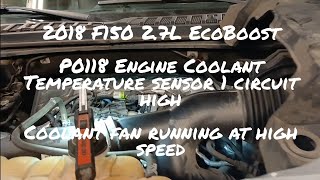
- A failing ECT sensor can cause poor fuel economy, rough running, and check engine lights with codes like P0117, P0118, or P0128.
- Owners of 2018-2020 F-150s with the 2.7L EcoBoost engine should be aware of TSB 21-2168, which addresses a common sensor issue.
- For most F-150 engines, this is a simple, inexpensive DIY replacement; however, the 2.7L EcoBoost requires significant labor to access the original sensor.
- Driving with a suspected bad sensor is not recommended, as it can lead to engine damage from overheating or poor performance.
Is Your F-150's Coolant Sensor Failing?

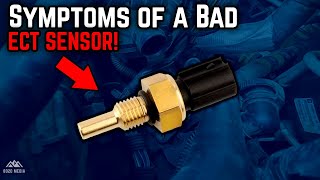
A bad Engine Coolant Temperature (ECT) sensor can cause more than just a check engine light. Because the truck's computer relies on this sensor for key decisions, a bad signal can lead to real-world problems. You might notice your engine running rough, getting poor gas mileage, or even having trouble starting. 🎬 Watch: Common signs and symptoms of a failing ECT sensor. In some cases, you might get a false overheating warning, or the opposite, where the cooling fans don't turn on when they should.
Known Issue for 2.7L EcoBoost (2018-2020)
There is a Ford Technical Service Bulletin (TSB 21-2168) for 2018-2020 F-150s with the 2.7L EcoBoost engine. This TSB addresses a common problem where the original sensor's location and wiring harness can lead to false overheating warnings and a list of diagnostic trouble codes. The official fix involves replacing a heater hose and installing a jumper harness to relocate the sensor to a more reliable spot. 🎬 See how to install the 2.7L EcoBoost sensor relocation kit. If you have a 2.7L and are experiencing these issues, it's worth mentioning this TSB to your mechanic.
Choosing the Right Aftermarket Sensor

When replacing your ECT sensor, you have a choice between an OEM (Original Equipment Manufacturer) part from Ford and various aftermarket brands. For a simple but vital sensor like this, aftermarket options can offer significant savings without a major compromise in quality. However, quality can vary between brands.
- Premium Aftermarket (e.g., Delphi, Standard Ignition): Brands like Delphi and Standard Motor Products (SMP) are often suppliers to original manufacturers and have a strong reputation for quality. They engineer their parts to meet or exceed OE specifications and perform extensive testing. These are a solid choice for a reliable, long-lasting repair.
- Standard Aftermarket (e.g., Walker Products, Holstein): These brands provide a good balance of quality and value. They are designed to be direct-fit replacements and are a popular choice for DIY repairs and independent shops. They often meet OE form and function at a lower price point.
- Economy Brands (e.g., Global Parts, store brands): While the most budget-friendly, these parts may have wider manufacturing tolerances. For a critical sensor, it's often worth spending a few extra dollars for a brand with a more established reputation for reliability to avoid doing the job twice.
Pro Tip: Some F-150 engines, like the second-generation 3.5L EcoBoost, may use a Cylinder Head Temperature (CHT) sensor to calculate coolant temperature instead of a traditional ECT sensor that sits in the coolant. Always verify the exact part your specific engine requires before ordering.
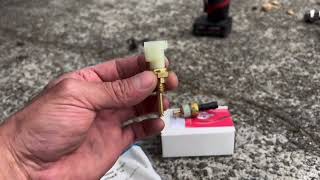
🎬 Watch: Step-by-step guide to replacing the cylinder head temperature sensor.Cost to Replace the F-150 Coolant Temperature Sensor
The cost can vary significantly based on your truck's engine. For most engines, the sensor is relatively easy to access and replace. However, for some, like the 2.7L EcoBoost, the sensor is buried under the intake manifold, making replacement a much bigger job. The costs below are general estimates.
| Part/Service | Estimated Cost |
|---|---|
| New OEM Part | $25 - $65 |
| New Aftermarket Part | $10 - $70 |
| Shop Labor (Standard Replacement) | $75 - $150 |
| Shop Labor (2.7L EcoBoost Original Location) | $600 - $900+ |
Frequently Asked Questions

Where is the ECT sensor located on a 2018-2024 F-150?
The location varies by engine. Generally, it's found near the thermostat housing. On the 5.0L V8, it's often on the front passenger side. On the 3.5L EcoBoost, follow the upper radiator hose to the engine. On the 2.7L EcoBoost, the original sensor is notoriously difficult to reach, located under the intake manifold. The TSB relocation kit moves it to an upper heater hose.
Can I replace the coolant temperature sensor myself?
For most engines (excluding the 2.7L's original location), this is a very DIY-friendly job. It typically involves unplugging the electrical connector and unscrewing the sensor with a deep socket. Be prepared for a small amount of coolant to spill. The engine must be completely cool before you start.
What's the difference between an ECT sensor and an ECT sender?
They sound similar, but do different jobs. The ECT sensor sends data to the engine computer (PCM). The ECT sender (or gauge sensor) sends a signal to the temperature gauge on your dashboard. Your truck may have one or two separate units depending on the engine and year. A bad sensor will set a check engine light, while a bad sender will cause an incorrect gauge reading.
Will a bad ECT sensor cause my truck to overheat?
It can. If the sensor fails to tell the computer that the engine is getting hot, the cooling fans may not turn on when needed, leading to a real overheating event. Conversely, it can also send a false overheating signal when the engine is fine.
Helpful Videos
Technical Specifications
OEM Part Numbers: JL3Z-12A648-B JL3Z12A648A DY-1446 FT4Z-12A648-B
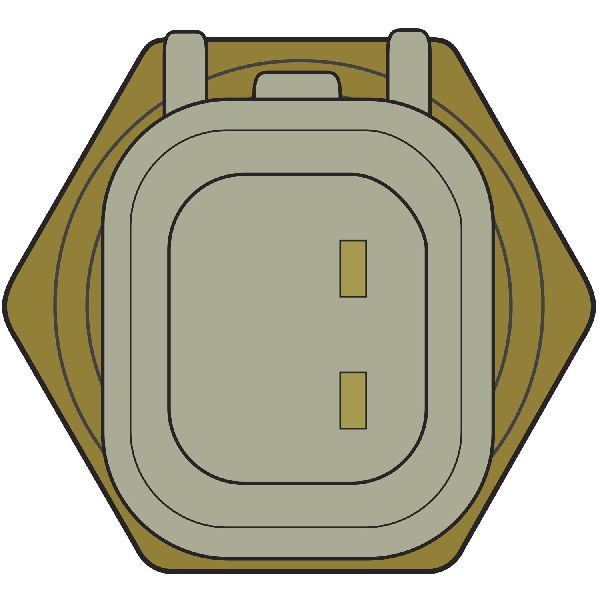
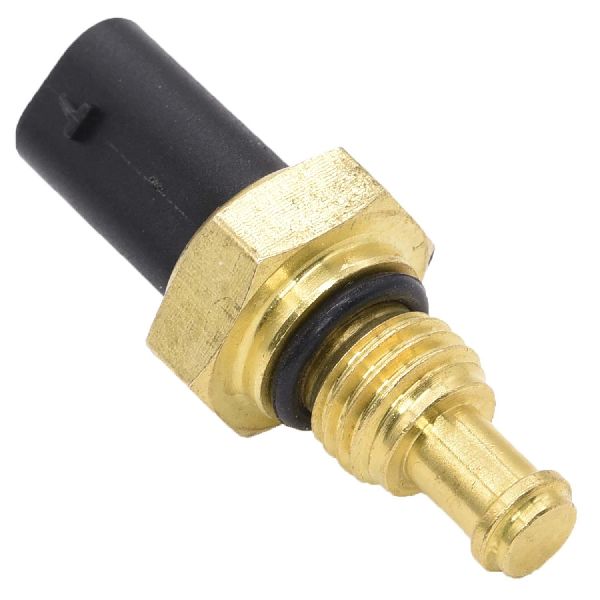
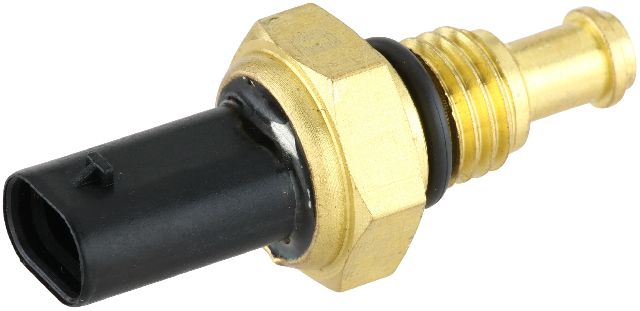
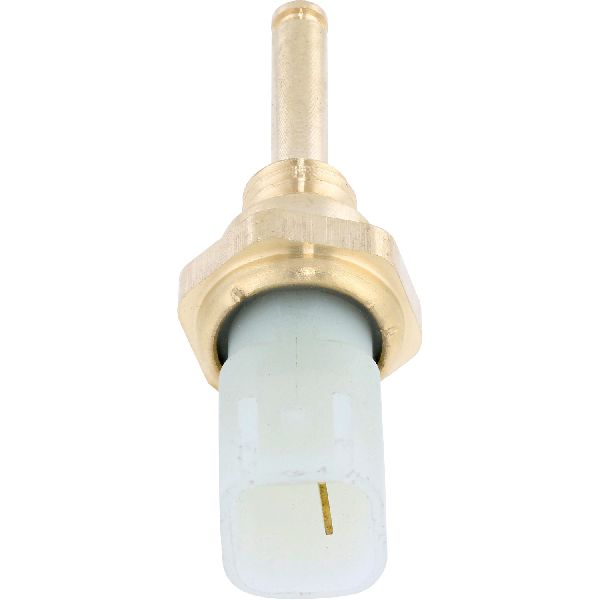
Typically a two-pin, screw-in type sensor. Thread size and connector style are vehicle-specific. Some engines use a Cylinder Head Temperature (CHT) sensor instead.
We Have This Part in Stock


The information in this article is provided for general reference and educational purposes only. Vehicle specifications, procedures, and part compatibility can vary by production date, trim level, and region. Always consult your vehicle's factory service manual and verify part numbers before purchasing or performing repairs. Safety-critical components such as airbags, seat belts, and braking systems should be installed by a qualified professional.
- Ford F-150: