

GMC Terrain (2018-2024) Mass Air Flow Sensor: A Complete Guide
Understand the symptoms of a failing MAF sensor in your Terrain and how to choose the right replacement part.
- A failing MAF sensor on a 2018-2024 Terrain often causes a P0101 code, rough idle, and poor acceleration.
- Before replacing, try cleaning the sensor with dedicated MAF cleaner and inspect the intake for air leaks.
- Replacement is a simple, 10-minute DIY job requiring only a common screwdriver or socket.
- Choose a quality aftermarket brand like Delphi, Hitachi, or Walker for a reliable repair without the full OEM price.
Is Your Terrain Acting Up? It Could Be the MAF Sensor
If your 2018-2024 GMC Terrain is running rough, hesitating, or the check engine light is on, a faulty Mass Air Flow (MAF) sensor could be the culprit. This sensor is sensitive and plays a huge role in how your engine performs. When it fails, it sends incorrect information to the engine's computer, leading to a variety of noticeable problems. Ignoring a bad MAF sensor can lead to reduced fuel economy, poor performance, and potentially damage other components like the catalytic converter.
Common MAF-Related Trouble Codes
A check engine light is a common symptom. If you use an OBD-II scanner, a failing MAF sensor in your Terrain will often trigger codes like:
- P0101: Mass Air Flow (MAF) Circuit Range/Performance Problem
- P0102: Mass Air Flow (MAF) Circuit Low Input
- P0103: Mass Air Flow (MAF) Circuit High Input
- P0171: System Too Lean (Bank 1)
While a P0101 code often points to a dirty or faulty MAF sensor, it can also be caused by intake air leaks or even a clogged catalytic converter on some GM vehicles.
Choosing the Right Aftermarket MAF Sensor
When replacing the MAF sensor on your Terrain, you have a choice between Original Equipment (OEM) and aftermarket parts. For a vehicle in the 2018-2024 year range, quality is key. Aftermarket parts can offer the same performance as OEM for a better price, but brand reputation matters.
Here’s a look at the brands available and where they generally stand in terms of quality:
- OEM-Tier (Excellent Quality): These brands are often the original equipment manufacturers for GM or have a strong reputation for meeting or exceeding OEM standards.
- ACDelco: As GM's own parts division, this is the genuine OEM replacement, guaranteeing a perfect fit and function.
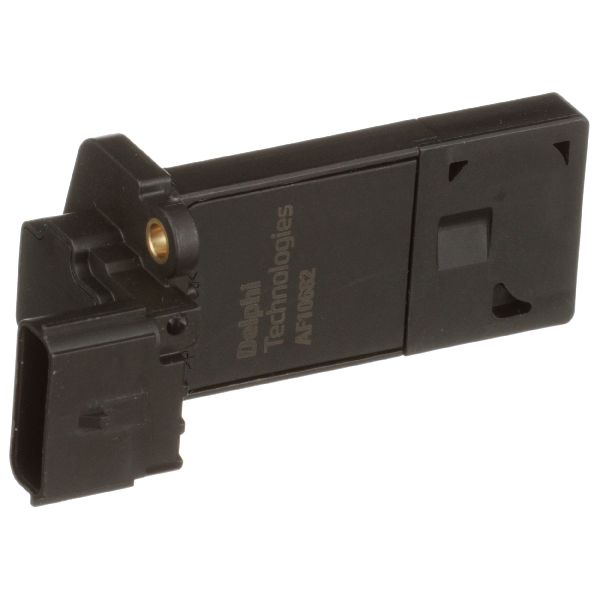
- Delphi: A major OE manufacturer for many brands, including GM. Delphi MAF sensors are known for their accuracy and reliability, making them a top-tier choice.
- Hitachi: Hitachi is a Tier 1 OE supplier for air flow sensors for many automakers. They are known for precision manufacturing and are a reliable OEM-equivalent option.
- Professional-Grade Aftermarket (Good Quality): These brands are well-regarded in the repair industry for providing reliable parts that offer a good balance of price and performance.
- NGK/NTK: While famous for spark plugs and oxygen sensors, their sensor line is built to high standards.
- Standard Ignition (SMP): A long-standing brand in the aftermarket that produces reliable sensors.
- Walker Products: Walker has a long history of producing engine sensors and is often seen as a dependable and affordable alternative to OEM parts.
- Standard Aftermarket (Good Value):
- DriveWire: This brand typically offers a cost-effective solution for repairs.
A Note on Cleaning vs. Replacing
Sometimes, MAF sensor issues on the Terrain can be caused by dirt or oil contaminating the sensor element, especially if you use an oiled air filter. You can try cleaning the sensor using a dedicated MAF sensor cleaner spray. This can sometimes restore function and is a cheap first step. However, if the sensor's electronics have failed, cleaning won't help, and a full replacement is necessary.
Cost of Replacing a GMC Terrain MAF Sensor
The cost can vary based on the part brand you choose and whether you do the job yourself. The replacement is very simple and accessible for most DIY mechanics.
| Item | Estimated Cost |
|---|---|
| New Aftermarket MAF Sensor | $74 - $119 |
| New OEM (ACDelco) MAF Sensor | $54 - $150+ |
| Shop Labor | $50 - $100 |
| Total DIY Cost (Aftermarket) | $74 - $119 |
| Total Shop Cost (Aftermarket) | $124 - $219+ |
Frequently Asked Questions (FAQ)
Where is the MAF sensor located on a 2018-2024 GMC Terrain?
The MAF sensor is located on the air intake tube, right after the engine air filter box. It is held in place by two screws and has an electrical connector attached.
Is it difficult to replace the MAF sensor myself?
No, this is a very easy DIY job. It typically requires only a T20 or T25 Torx screwdriver or a 7/32" socket. The process involves unplugging the electrical connector, removing two screws, swapping the sensor, and re-installing the screws and connector. The entire job can be done in less than 10 minutes.
Are there any recalls for the GMC Terrain MAF sensor?
As of now, there are no specific recalls issued by the NHTSA for the Mass Air Flow sensor on the 2018-2024 GMC Terrain. Issues are typically handled as individual repairs.
What is the most common mistake when replacing a MAF sensor?
The most common mistake is not checking for other potential issues first. A P0101 code can also be caused by a vacuum leak in the intake hose after the sensor, or a dirty air filter. Always inspect the air intake tube for cracks and ensure the air filter is clean before replacing the sensor.
Should I buy the cheapest MAF sensor available?
While tempting, it's often not the best idea. The MAF sensor provides critical data, and cheap, poorly made sensors can be inaccurate right out of the box or fail prematurely. Sticking with a reputable brand like Delphi, Hitachi, or Walker Products provides a better guarantee of performance and longevity.
Helpful Videos

Technical Specifications
OEM Part Numbers: 55505735 23118170 20787043
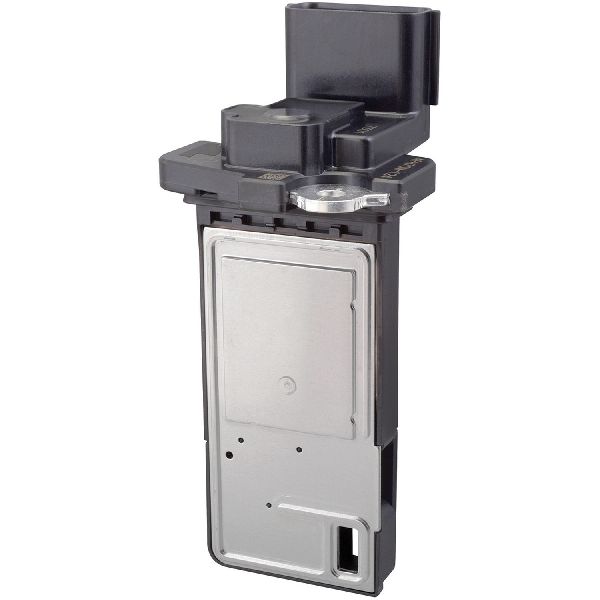
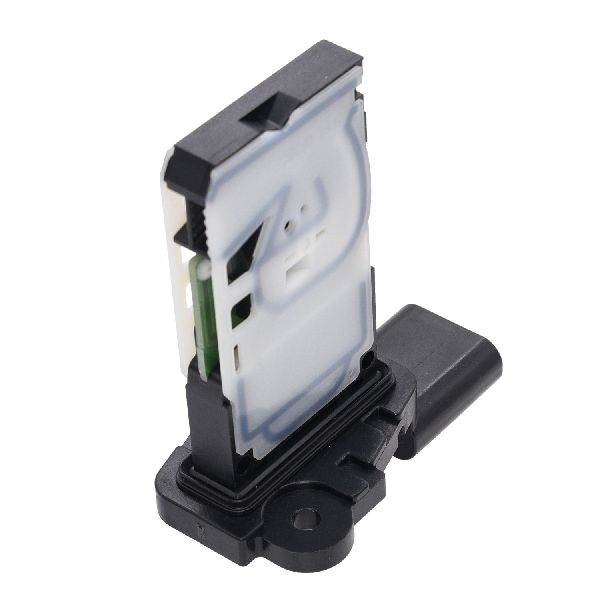
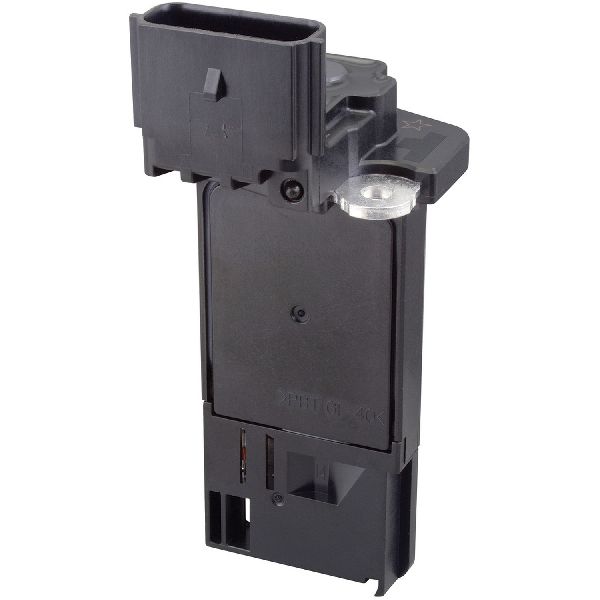
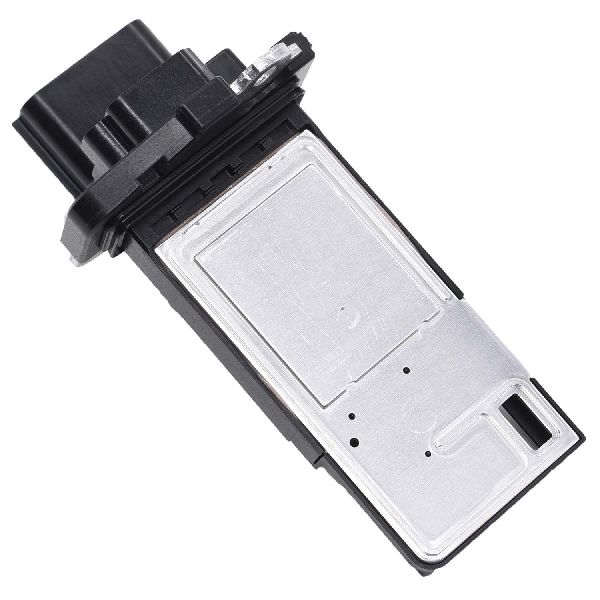
The MAF sensor for the 2018-2024 GMC Terrain is a 'sensor-only' unit that mounts into the air intake duct. It typically uses a 5-pin or 8-pin blade-type electrical connector and is secured with two screws.
We Have This Part in Stock


The information in this article is provided for general reference and educational purposes only. Vehicle specifications, procedures, and part compatibility can vary by production date, trim level, and region. Always consult your vehicle's factory service manual and verify part numbers before purchasing or performing repairs. Safety-critical components such as airbags, seat belts, and braking systems should be installed by a qualified professional.
- GMC Terrain: