

A Guide to Replacing Oxygen Sensors on the 2018-2024 Lexus IS300
Understanding how to choose the right oxygen sensor to fix check engine lights and restore performance.
- Verify if your IS300 has the 2.0L Turbo (RWD) or 3.5L V6 (AWD) engine, as this determines the number of sensors.
- Denso is the OEM supplier for Lexus; choosing an aftermarket Denso sensor is the most reliable option for guaranteed compatibility and quality.
- A bad oxygen sensor will cause a Check Engine Light, poor fuel economy, and can damage the expensive catalytic converter if ignored.
- Replacement is a feasible DIY for those with mechanical experience but requires a special O2 sensor socket and can be difficult if the sensor is seized.
Symptoms of a Bad Oxygen Sensor
A failing oxygen sensor rarely fails suddenly. It usually degrades over time, leading to noticeable issues. The most common sign is an illuminated Check Engine Light on your dashboard. You may also experience a decrease in fuel economy, a rough or unstable idle, engine hesitation or misfires, and a rotten egg or sulfur-like smell from the exhaust. In states with emissions testing, a bad O2 sensor is a common cause for failure.
Choosing the Right Aftermarket Oxygen Sensor
When replacing an oxygen sensor on a sophisticated vehicle like the IS300, the brand and type of sensor matter. Your choice can be broken down into tiers based on quality and compatibility.
Engine Differences Matter
Before buying, know your engine. The 2018-2024 IS300 RWD (Rear-Wheel Drive) uses a 2.0L Turbo 4-cylinder engine. The IS300 AWD (All-Wheel Drive) uses a 3.5L V6 engine. The V6 has two banks of cylinders and therefore requires more oxygen sensors than the 4-cylinder engine. Always verify the part fitment for your specific engine and sensor location (e.g., Bank 1 Sensor 1, Bank 2 Sensor 2, etc.).
🎬 See this guide on how to find O2 sensor locationsTier 1: OEM-Equivalent
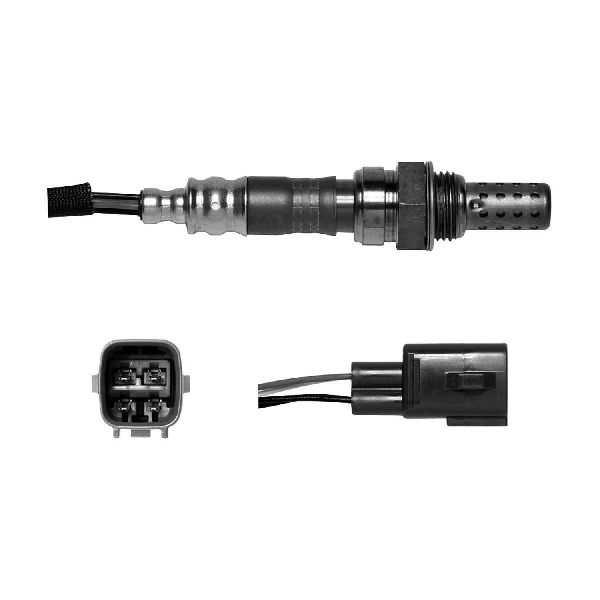
Denso: Denso is the original equipment manufacturer (OEM) for many Toyota and Lexus parts, including oxygen sensors. Choosing an aftermarket Denso sensor is the safest bet, as it is often the exact same part you would get from a Lexus dealership, just in a different box and at a lower price. For this reason, Denso is highly recommended by Lexus owners and mechanics.
Tier 2: Quality Aftermarket
NGK (NTK): NGK, through its NTK brand, is another major OEM supplier and a reputable choice for oxygen sensors. They are known for their quality and reliability, making them a solid alternative to Denso.
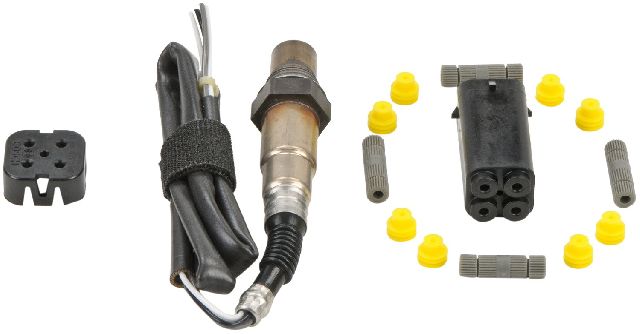
Bosch: Bosch is a massive parts manufacturer and invented the automotive oxygen sensor. However, owner forums suggest that Lexus vehicles can be sensitive, and some have reported compatibility issues when using Bosch sensors. While a quality brand, Denso or NGK is generally a more surefire choice for your IS300.
Tier 3: Budget Options
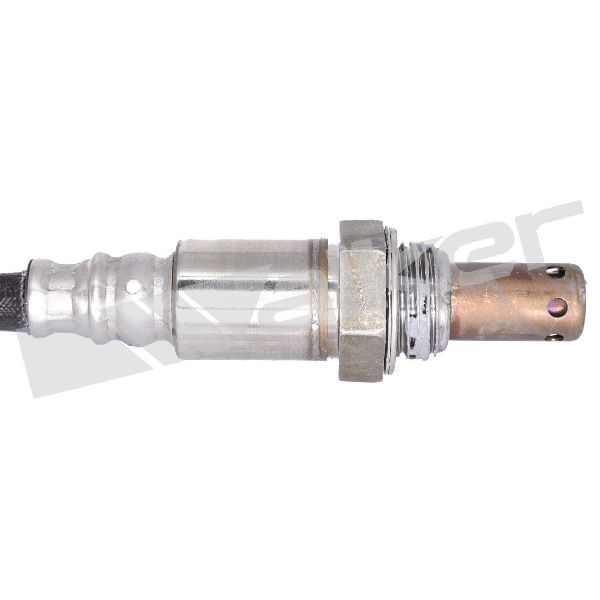
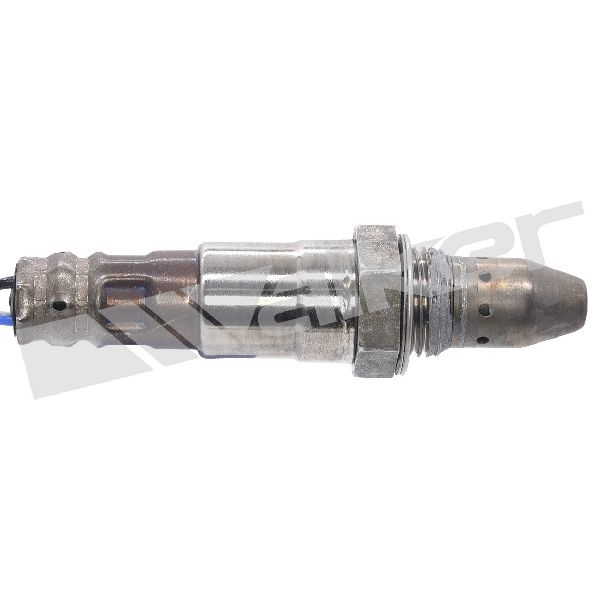
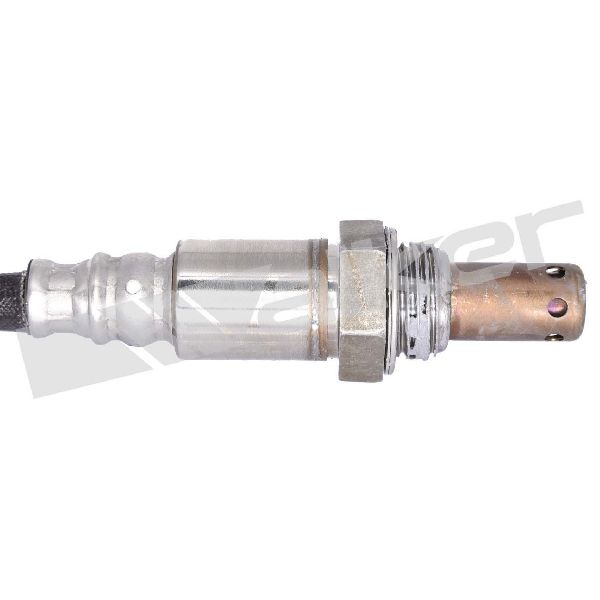
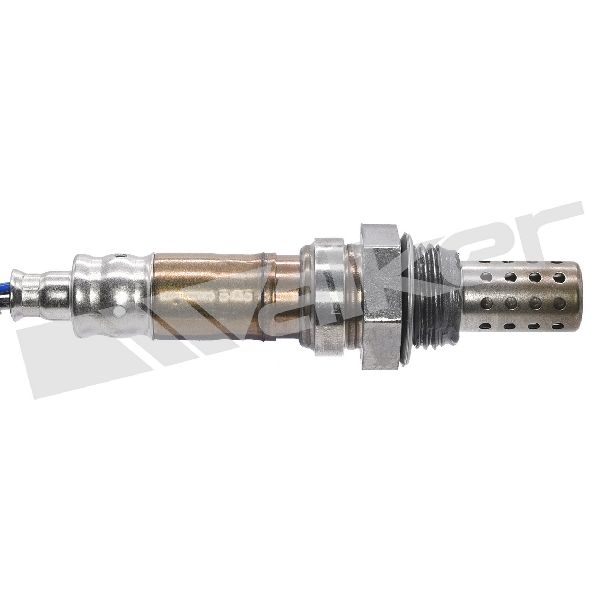
Walker Products & DriveWire: These brands offer more budget-friendly options. While some users report success with brands like Walker, they are generally considered a lower tier than Denso or NGK. If your budget is the primary concern, they are a viable option, but may not offer the same longevity or perfect compatibility as an OEM-equivalent part.
Beware of Counterfeits
Regardless of the brand you choose, be cautious of counterfeit parts, especially when buying from online marketplaces. Fake sensors can look convincing but will fail quickly or not work at all. Purchase from reputable auto parts suppliers to ensure you are getting a genuine product.
Cost of Replacing an Oxygen Sensor
| Part/Service | Estimated Cost |
|---|---|
| New OEM (Dealer) | $250 - $350 per sensor |
| New Aftermarket | $45 - $290 per sensor |
| Shop Labor | $150 - $400 per sensor |
| Total Shop Replacement (1 Sensor) | $400 - $750+ |
Note: Costs are estimates. Shop labor can vary significantly. Replacing multiple sensors will increase costs. Some repair shops have quoted extremely high labor costs ($767+) for this job, so it pays to get multiple quotes.
Frequently Asked Questions
How many oxygen sensors does my 2018-2024 Lexus IS300 have?
It depends on your engine. The RWD 2.0L Turbo engine has at least one upstream and one downstream sensor. The AWD 3.5L V6 engine has four sensors: an upstream and a downstream sensor for each of the two engine banks (Bank 1 and Bank 2). You must identify which specific sensor has failed, usually via a diagnostic trouble code.
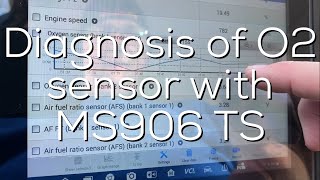
🎬 Watch: How to diagnose a faulty sensor using a scan toolWhat's the difference between an upstream and downstream sensor?
The upstream sensor (also called an Air/Fuel Ratio Sensor or Sensor 1) is located before the catalytic converter. It provides fast feedback for the engine computer to make real-time adjustments to the air-fuel mixture. The downstream sensor (Sensor 2) is located after the catalytic converter and its main job is to monitor the converter's health and efficiency.
Can I drive with a bad oxygen sensor?
You can, but it's not recommended for long. Driving with a bad sensor will cause poor fuel economy and higher emissions. More critically, it can lead to expensive damage to your catalytic converter over time, a repair that costs significantly more than replacing an O2 sensor.
Is this a DIY job? Do I need special tools?
This is a moderately difficult DIY project. The main challenge is often accessing the sensor and removing the old one, which can be seized in the exhaust pipe. You will need a special tool called an oxygen sensor socket, which has a slot for the wire. Soaking the sensor with penetrating oil hours before you start can help greatly. Be aware that on some IS300 models, the wiring for the downstream sensor is routed through the floor and connects under the passenger seat, adding complexity to the job.
🎬 Watch: Step-by-step walkthrough of a Lexus IS300 sensor replacementAre there any recalls for the IS300 oxygen sensor?
No. As of early 2026, there are no specific recalls from Lexus or NHTSA for oxygen sensor failures on the 2018-2024 Lexus IS300.
Helpful Videos
Technical Specifications
OEM Part Numbers: 89465-53320 89465-53310
Varies by location (Upstream/Downstream) and engine (2.0L/3.5L). Upstream sensors are often wide-band air-fuel ratio types. Downstream are typically zirconia. All are heated, 4-wire sensors.
We Have This Part in Stock

The information in this article is provided for general reference and educational purposes only. Vehicle specifications, procedures, and part compatibility can vary by production date, trim level, and region. Always consult your vehicle's factory service manual and verify part numbers before purchasing or performing repairs. Safety-critical components such as airbags, seat belts, and braking systems should be installed by a qualified professional.
- Lexus IS300:
- 🎬 Helpful Videos
- 🛍️ Shop This Part
- Symptoms of a Bad Oxygen Sensor
- Choosing the Right Aftermarket Oxygen Sensor
- Engine Differences Matter
- Tier 1: OEM-Equivalent
- Tier 2: Quality Aftermarket
- Tier 3: Budget Options
- Beware of Counterfeits
- Cost of Replacing an Oxygen Sensor
- Frequently Asked Questions
- 🎟️ Get 5% Off