

Lexus LC500 Engine Coolant Temperature Sensor: A 2018-2024 Guide
Understanding the Engine Coolant Temperature Sensor in your 2018-2024 Lexus LC500 and how to choose the right replacement.
- ECT sensor failure is not a common issue on the 2018-2024 Lexus LC500, but symptoms like overheating or a Check Engine Light should be diagnosed promptly.
- Due to the sensor's difficult location, replacement is not recommended for most DIY mechanics and professional labor costs are high.
- For a replacement, choosing an OEM-equivalent brand like Denso or NGK is highly recommended to maintain the vehicle's reliability.
- Driving with a faulty ECT sensor is not advised as it can lead to poor performance, bad fuel economy, and potentially critical engine damage from overheating.
Is the Original LC500 Coolant Temperature Sensor Reliable?
The Lexus LC500 is known for its exceptional build quality, and the original Engine Coolant Temperature (ECT) sensor is no exception. Failures on this specific model are not common. Searches for widespread problems, recalls, or Technical Service Bulletins (TSBs) for the 2018-2024 LC500's ECT sensor come up empty. Most owners will never need to replace this part. However, like any electronic component, it can fail over time, especially at higher mileage. If you are experiencing symptoms, it's important to diagnose the issue correctly.
Symptoms of a Failing ECT Sensor
When an ECT sensor fails, it sends incorrect information to the car's computer, which can cause a variety of noticeable problems. Here are the most common signs:
- Check Engine Light: This is often the first sign. The ECU will detect a signal from the sensor that is out of range and trigger a fault code. Common codes include P0115, P0117, P0118, and P0128.
- Poor Fuel Economy: If the sensor incorrectly tells the ECU the engine is always cold, the computer will continuously enrich the fuel mixture, causing the car to use more gas than necessary.
- Engine Overheating: A faulty sensor might fail to signal the ECU that the engine is hot. As a result, the electric radiator fans may not turn on when needed, leading to overheating, especially in slow traffic.
- Black Smoke from Exhaust: A fuel mixture that is too rich may not burn completely in the cylinders. This unburnt fuel can burn in the exhaust, creating black smoke.
- Rough Idle or Poor Performance: The engine may run rough, hesitate, or feel sluggish because the fuel mixture and ignition timing are not optimized for the actual engine temperature.
- Erratic Temperature Gauge: The temperature gauge on your dashboard may behave strangely, either staying on cold, jumping to hot suddenly, or not moving at all.
Choosing the Right Aftermarket Sensor
While the OEM Lexus part is always a safe bet, several quality aftermarket brands are available. They can be grouped into tiers based on quality and reputation.
Aftermarket Brand Quality Tiers
| Tier | Brands | Description |
|---|---|---|
| OEM / Premium Aftermarket | Denso, NGK | Denso is the likely original equipment manufacturer for Lexus. Choosing a Denso or NGK sensor is the closest you can get to the original part's quality and reliability. They are highly recommended for a performance vehicle like the LC500. |
| Quality Aftermarket | Delphi, Beck Arnley, Standard Ignition (SMP) | These brands have a solid reputation. Delphi is a major parts manufacturer, though quality can sometimes vary from its OEM lines. Beck Arnley often re-packages OEM parts, and Standard Ignition is a long-standing reliable choice. These are dependable options. |
| Economy Aftermarket | URO Parts, Motorad, Facet, Holstein, Global Parts | These brands offer a budget-friendly solution. For a critical sensor on a high-performance engine, these should be considered with caution. While they may function correctly, their long-term durability and the precision of their temperature readings may not match higher-tier brands. |
Cost of Replacing the LC500 ECT Sensor
The cost can vary significantly between doing it yourself and having a professional shop perform the work. The location of the sensor on the LC500's V8 engine is difficult to access, leading to high labor costs.
Estimated Costs (2018-2024 Lexus LC500)
| Part / Service | Estimated Cost | Notes |
|---|---|---|
| New OEM Part | $78 - $105 | Part number 89422-30030 is commonly cited for this vehicle. |
| New Aftermarket Part | $13 - $83 | Price varies by brand quality, with Denso and NGK at the higher end and economy brands at the lower end. |
| Shop Labor | $220 - $322 | Estimated labor time is high due to the sensor's difficult-to-reach location. |
| Total Professional Replacement | $300 - $425+ | Using an aftermarket part may lower the total cost, while an OEM part will be at the higher end of this range. |
Frequently Asked Questions (FAQ)
Can I drive my LC500 with a bad ECT sensor?
It is not recommended. While the car may run, you risk engine damage from overheating if the fans don't turn on. You will also experience poor performance and fuel economy. It is best to get the vehicle serviced as soon as possible.
Is replacing the LC500 ECT sensor a DIY job?
For most owners, this is not a recommended DIY job. Professional estimates show high labor costs, which indicates the sensor is in a location that is very difficult to access, likely requiring the removal of other engine components like the intake assembly. This job is best left to an experienced mechanic.
Will a new ECT sensor fix my Check Engine Light?
If the diagnostic trouble code points to the ECT sensor (e.g., P0115, P0117, P0118), then replacing the sensor should resolve the issue. After replacement, the code will need to be cleared from the ECU with a scan tool.
Do I need to drain the coolant to replace the sensor?
Yes. The sensor is threaded into a coolant passage. To avoid a significant loss of coolant and making a mess, the system should be at least partially drained before removing the old sensor. Since the coolant will be drained, this is also a good time to check its condition and replace it if needed.
Technical Specifications
OEM Part Numbers: 89422-30030 89422-33030
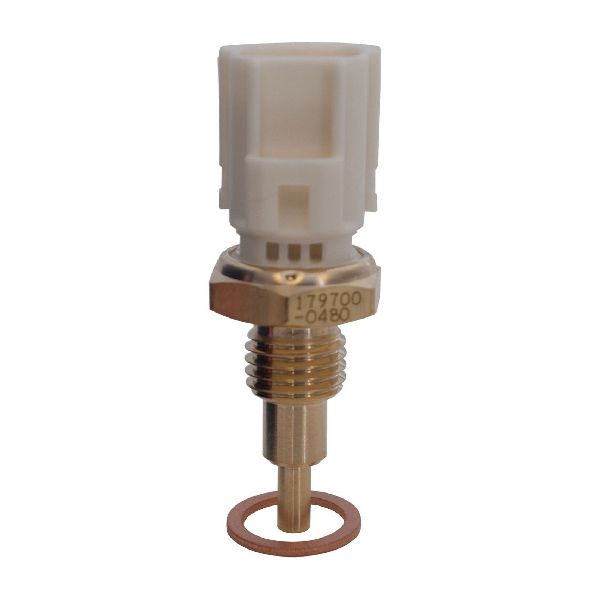
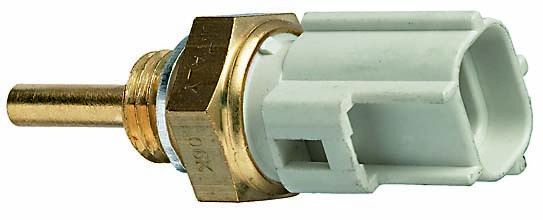
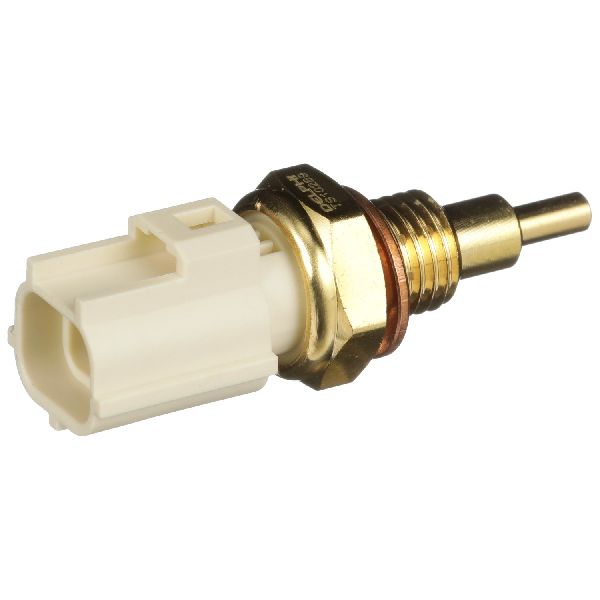
The sensor is a two-terminal thermistor that changes its electrical resistance based on coolant temperature. It is typically a direct-fit, 2-pin connector with an O-ring or gasket for sealing.
We Have This Part in Stock


The information in this article is provided for general reference and educational purposes only. Vehicle specifications, procedures, and part compatibility can vary by production date, trim level, and region. Always consult your vehicle's factory service manual and verify part numbers before purchasing or performing repairs. Safety-critical components such as airbags, seat belts, and braking systems should be installed by a qualified professional.
- Lexus LC500:
- 🛍️ Shop This Part
- Is the Original LC500 Coolant Temperature Sensor Reliable?
- Symptoms of a Failing ECT Sensor
- Choosing the Right Aftermarket Sensor
- Aftermarket Brand Quality Tiers
- Cost of Replacing the LC500 ECT Sensor
- Estimated Costs (2018-2024 Lexus LC500)
- Frequently Asked Questions (FAQ)
- 🎟️ Get 5% Off