

Lexus LS500 Engine Coolant Temperature Sensor Replacement Guide (2018-2024)
Understanding the small but vital sensor that impacts your LS500's performance, fuel economy, and engine health.
- This part is very reliable on the LS500; failure is uncommon.
- Replacement is a labor-intensive and expensive job due to the sensor's difficult location.
- Because of the high labor cost, choosing a top-tier aftermarket brand like Denso or an OEM part is highly recommended.
- Ignoring symptoms like overheating can lead to critical and costly engine damage.
Is the Original LS500 Coolant Sensor Reliable?
Yes. The factory-installed Engine Coolant Temperature (ECT) sensor on the 2018-2024 Lexus LS500 is a high-quality, reliable component. Widespread failures, recalls, or Technical Service Bulletins (TSBs) for this specific part are not common. Most owners will never experience an issue with the original sensor. However, like any electronic part, it can eventually fail due to age or other factors. When it does, it can cause noticeable problems.
Symptoms of a Failing ECT Sensor
When the ECT sensor fails, it sends incorrect data to the engine's computer, leading to a range of issues. You should get your vehicle diagnosed if you notice any of the following:
- Check Engine Light: This is the most common sign. The computer will log a fault code, such as P0115, P0117, P0118, or P0128.
- Engine Overheating: If the sensor fails to report that the engine is hot, the cooling fans may not turn on when needed, causing the engine to overheat, especially in traffic.
- Poor Fuel Economy: A faulty sensor might incorrectly tell the computer the engine is always cold. This causes the system to run a rich fuel mixture, wasting gas.
- Rough Idle or Hesitation: The engine may run poorly because the fuel mixture and ignition timing are based on bad information.
- Black Smoke from Exhaust: A consistently rich fuel mixture can result in unburned fuel exiting through the exhaust as black smoke.
- Erratic Temperature Gauge: The gauge on your dashboard might not move, jump to hot immediately, or provide fluctuating readings.
A Note on Replacement Difficulty
Replacing the ECT sensor on the LS500's V35A-FTS twin-turbo engine is a difficult task. The sensor is not easily accessible, leading to high professional labor costs. For this reason, it is not a recommended job for most DIY mechanics. The high labor cost also makes it critical to choose a quality replacement part to avoid paying for the same job twice.
Choosing the Right Aftermarket Sensor
While the Lexus OEM part is always an option, quality aftermarket brands offer a reliable alternative, often at a better price. For a sophisticated vehicle like the LS500, it's best to stick with top-tier brands.
- Top Tier (OEM Equivalent): Denso is a known OEM supplier for Toyota and Lexus. Choosing a Denso sensor is the closest you can get to the original part's quality and reliability. NGK is another excellent Japanese brand known for its sensor technology.
- Reputable Aftermarket: Brands like Delphi and Standard Ignition (SMP) have a long history of producing reliable aftermarket components and are a solid choice. Beck Arnley often sources parts from the original manufacturers, so their sensor may even be a re-packaged Denso part.
- Standard/Economy Tier: Brands like Motorad, Facet, Holstein, and Global Parts offer a more budget-friendly option. While functional, they may not have the same longevity or exact calibration as the higher-tier brands. For a repair this labor-intensive, saving a few dollars on the part itself is generally not recommended.
Pro Tip: Given the high labor cost to replace this sensor, spending a little extra on a Top Tier brand like Denso is a smart investment for long-term reliability and peace of mind.
Cost to Replace the LS500 Engine Coolant Temperature Sensor
| Part Type | Part Cost | Shop Labor Cost | Total Estimated Cost |
|---|---|---|---|
| New OEM | ~$150 | $305 - $448 | $455 - $598 |
| New Aftermarket (Top Tier) | $45 - $83 | $305 - $448 | $350 - $531 |
| New Aftermarket (Economy) | $13 - $44 | $305 - $448 | $318 - $492 |
Note: Costs are estimates and will vary based on your location and the specific repair shop. The primary cost driver for this repair is labor due to the sensor's location.
Frequently Asked Questions (FAQ)
Is it hard to replace the ECT sensor on a 2018-2024 LS500?
Yes, it is considered a difficult and labor-intensive job. The sensor is located in a hard-to-reach area of the V35A-FTS engine, requiring the removal of other components to gain access. This is not recommended for beginner or intermediate DIY mechanics. Professional repair estimates show labor costs are significant.
Where is the ECT sensor located on the LS500?
While specific diagrams for the V35A-FTS engine are not readily available, ECT sensors are typically screwed into a coolant passage on the cylinder head or near the thermostat housing. Due to the twin-turbo setup and engine covers, accessing this area is challenging.
Should I use an OEM or Aftermarket ECT sensor for my LS500?
For a critical, hard-to-replace sensor on a luxury vehicle, using a high-quality part is essential. An OEM sensor is always a safe bet. However, an OEM-equivalent aftermarket brand like Denso will provide the same level of performance and reliability, often for less money. It is not recommended to use a budget-tier part for this specific repair due to the high labor cost involved.
What happens if I ignore a bad coolant temperature sensor?
Ignoring a bad ECT sensor can lead to several problems. You will experience poor fuel economy and performance. More critically, if the sensor fails to detect an overheating condition, the cooling fans may not activate, potentially leading to severe engine damage like a warped cylinder head.
Technical Specifications
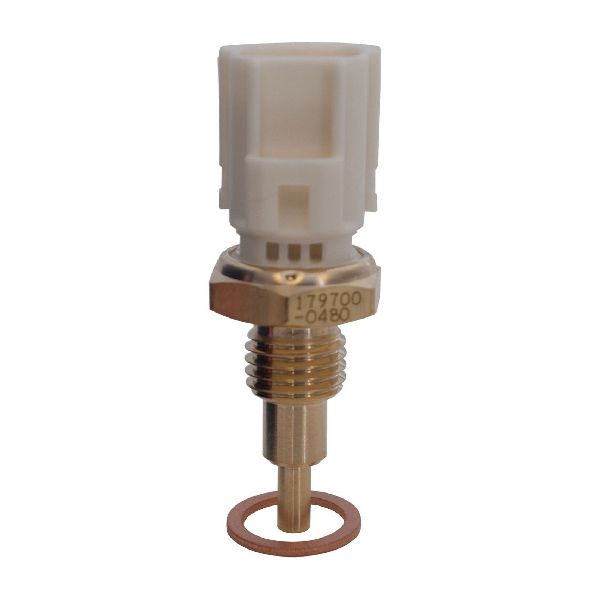
OEM Part Numbers: 89422-47010
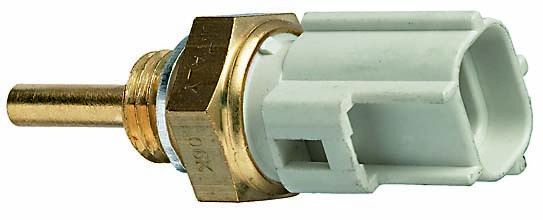
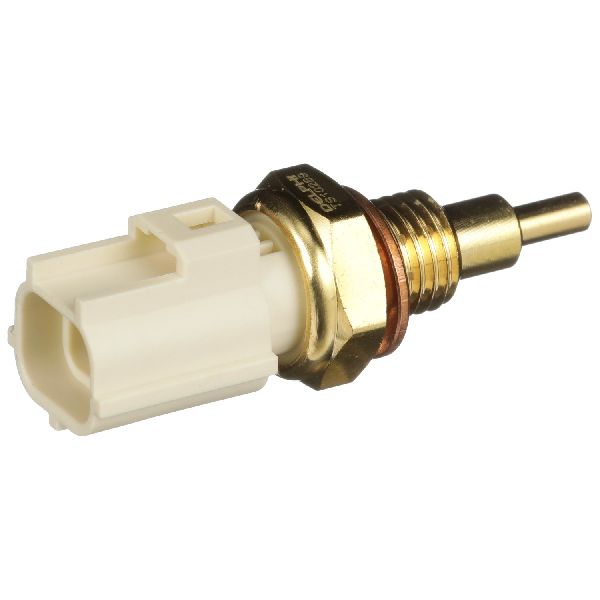
Thread Size: M12x1.5, 2-Pin Connector
We Have This Part in Stock


The information in this article is provided for general reference and educational purposes only. Vehicle specifications, procedures, and part compatibility can vary by production date, trim level, and region. Always consult your vehicle's factory service manual and verify part numbers before purchasing or performing repairs. Safety-critical components such as airbags, seat belts, and braking systems should be installed by a qualified professional.
- Lexus LS500: