

Toyota Highlander Engine Mounts: A Guide for 2018-2024 Models
Stop the shaking and clunking noises by choosing the right replacement engine mount for your Highlander.
- The most common symptom of a bad mount is excessive vibration at idle.
- For 2020-2022 Hybrid models, a specific engine noise during acceleration may be covered by a TSB requiring an updated OEM rear mount.
- Aftermarket brands like Anchor, DEA, and Westar are budget-friendly but may increase cabin vibration compared to OEM hydraulic mounts.
- When one mount fails, the others are under increased stress and may fail soon after; inspect all mounts during replacement.
Is Your Highlander's Engine Mount Failing?

A worn-out engine mount is one of the most common causes of engine vibration in the 2018-2024 Toyota Highlander. Unlike some parts that fail suddenly, engine mounts wear out over time. The rubber cracks and hardens, or the internal hydraulic fluid leaks out, leaving your engine poorly supported. Look for these key symptoms:
- Vibration at Idle: The most common sign is a strong vibration felt in the steering wheel, floor, or seats when the car is stopped in Drive or Reverse.
- Clunking or Thumping Noises: You may hear a loud 'clunk' from the engine bay when you accelerate hard or shift from Park to Drive. This is the sound of the engine moving and hitting other components.
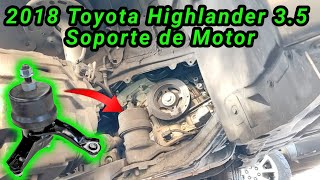
- Visible Engine Movement: If you have a helper safely rev the engine while in gear with the brakes applied, you might see the engine rock or lift excessively. A little movement is normal, but more than an inch or two indicates a problem. 🎬 Watch: How to identify and locate a failing engine mount
Known Issue: 2020-2022 Highlander Hybrid Engine Noise
Toyota issued a Technical Service Bulletin (TSB-0103-21) for some 2020-2022 Highlander Hybrid models that may have an engine noise when accelerating between 0-45 mph. The official fix is to replace the rear engine mount with an updated part (OEM Part #12371-F0210). If you have a Hybrid model with this specific issue, an aftermarket mount may not solve the problem.
OEM vs. Aftermarket Mounts for Your Highlander

When replacing an engine mount, you have a choice between Original Equipment Manufacturer (OEM) parts and aftermarket parts. For the Highlander, this choice significantly impacts ride quality.
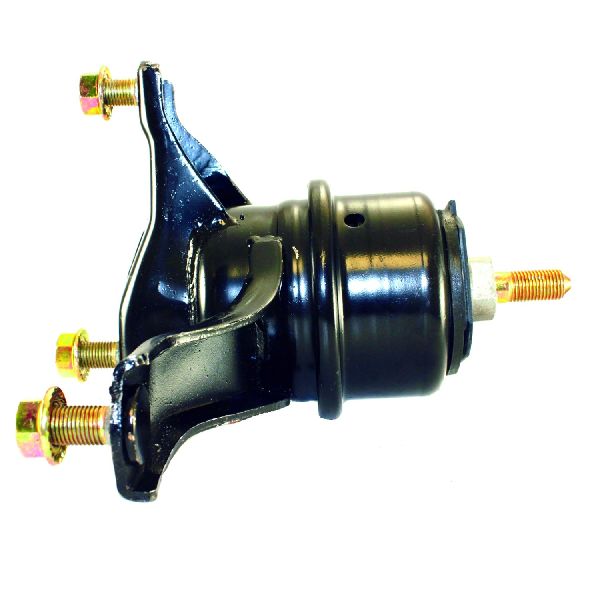
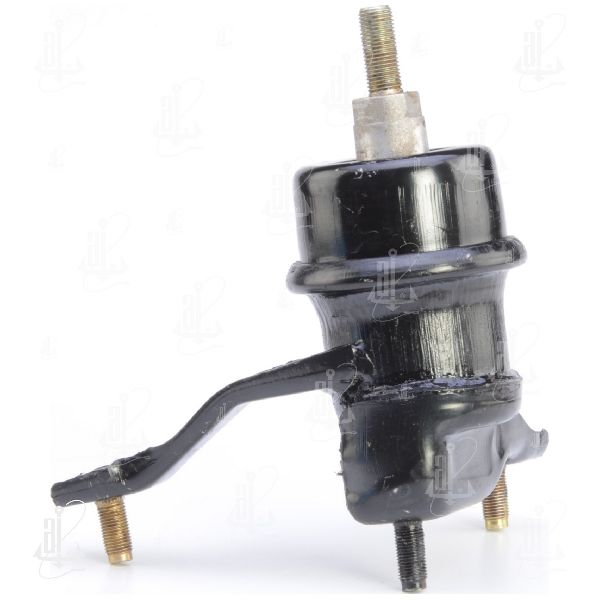
- OEM Mounts: These are the same parts your vehicle was built with. They are typically hydraulic and offer the best vibration absorption for a smooth, factory-quiet ride. The downside is their higher cost.
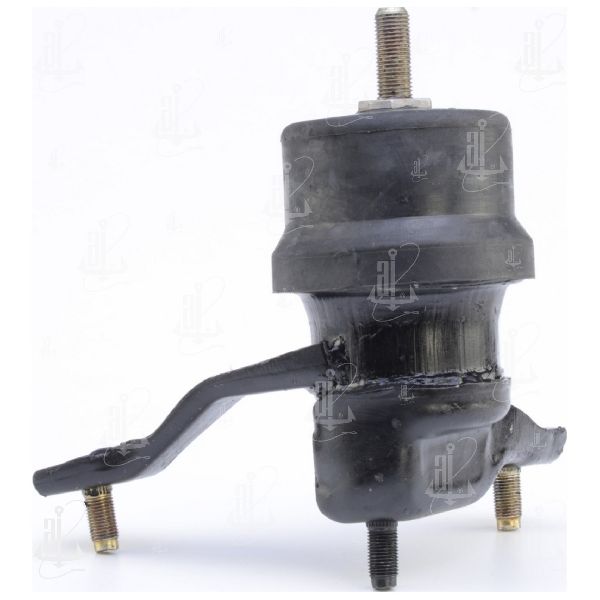
- Aftermarket Mounts: These are a cost-effective alternative. However, many budget-friendly aftermarket mounts are made of solid rubber instead of being hydraulic. While durable, they often transmit more engine vibration into the cabin, especially at idle.
Choosing an Aftermarket Brand: Good, Better, Best
For many drivers, a slight increase in vibration is an acceptable trade-off for significant cost savings. The available aftermarket brands generally fall into the economy or standard-replacement tier.
- Economy Tier (Anchor, DEA, Westar): These brands offer the lowest prices and are widely available. User reviews are mixed; some drivers find them to be a great value, while others report premature failure or a noticeable increase in vibration right after installation. Consider these if budget is your primary concern and you are less sensitive to cabin vibrations.
- Standard Replacement Tier (Pioneer): Brands like Pioneer are sometimes viewed as a slight step up in quality, aiming to be closer to the original factory design. They can offer a good balance of price and performance, but you should still expect them to be a compromise compared to a new OEM part.
Pro Tip: Before replacing mounts, rule out other issues. On some related Toyota/Lexus vehicles, a 'drone' noise around 1500 RPM can be caused by the exhaust system, not a bad engine mount. Also, noises while accelerating can sometimes be related to the transmission or other components, so a proper diagnosis is key.
Cost to Replace a Toyota Highlander Engine Mount

| Part/Service | Estimated Cost |
|---|---|
| New Aftermarket Mount | $20 - $149 |
| New OEM Mount | $160 - $225+ |
| Shop Labor (per mount) | $150 - $450 |
| Total Professional Replacement (Aftermarket Part) | $170 - $600 |
| Total Professional Replacement (OEM Part) | $310 - $675+ |
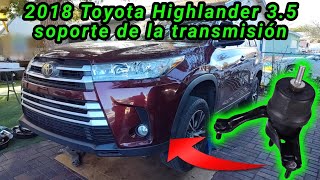
Note: Costs are estimates and can vary based on your location and which specific mount needs replacement. 🎬 Watch: Step-by-step guide to replacing the transmission mount The 2020-2024 models may have higher labor costs than the 2018-2019 models due to design differences.
Frequently Asked Questions

How many engine mounts does a Toyota Highlander have?
Most front-wheel-drive vehicles, including the Highlander, typically have three or four mounts. This includes mounts that support the weight of the engine and transmission, as well as torque struts (often called 'dog bones') that prevent the engine from rocking.
Can I replace just one bad engine mount?
Yes, you can replace only the failed mount. However, engine mounts tend to wear at a similar rate. When one fails, it puts extra stress on the others, which can cause them to fail soon after. If your vehicle has high mileage, it's wise to inspect all mounts and consider replacing them as a set.
What is the difference between a hydraulic and a solid rubber mount?
A hydraulic mount is filled with fluid that dampens vibrations much like a shock absorber, providing a smoother feel. A solid rubber mount is simpler and more durable but is less effective at isolating engine vibrations, which can make the car feel rougher, especially at idle.
Is it difficult to replace a Highlander engine mount myself?
For a DIYer with proper tools, it's a manageable job. The process involves safely supporting the engine from below with a jack and a block of wood, unbolting the old mount, and installing the new one. However, some mounts can be very difficult to access, which can make the job challenging. Always use jack stands for safety.
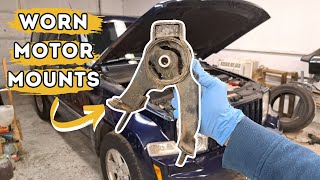
🎬 See this walkthrough for replacing the passenger side engine mountHelpful Videos
Technical Specifications
OEM Part Numbers: 12362-0P050 12362-0P051 12362-31040 12362-31060 12371-F0210
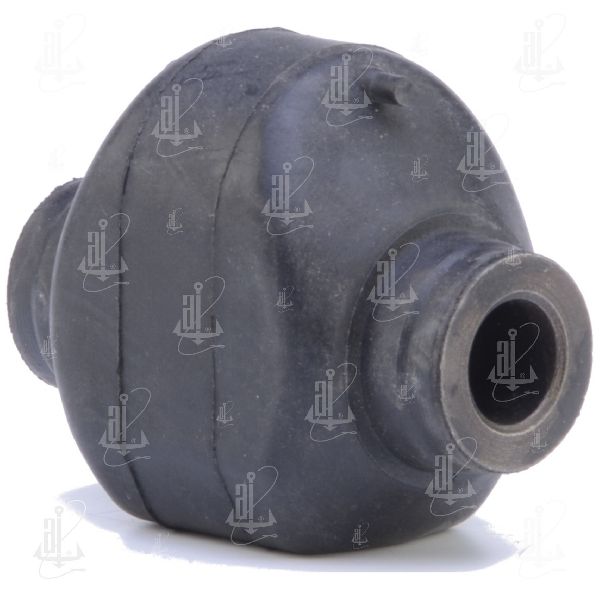
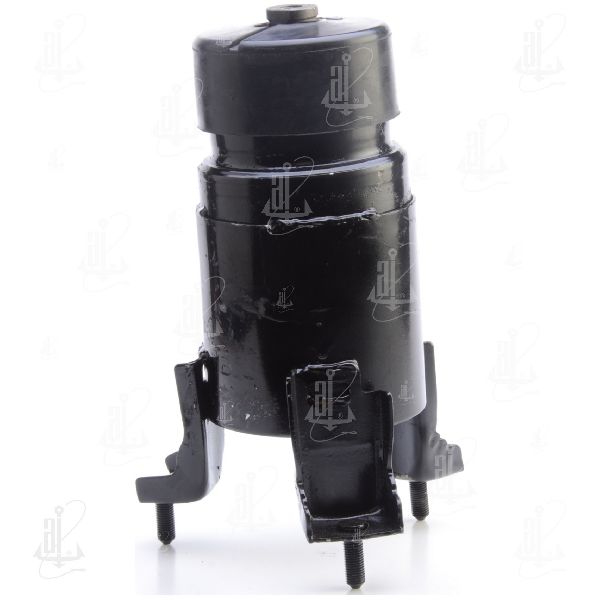
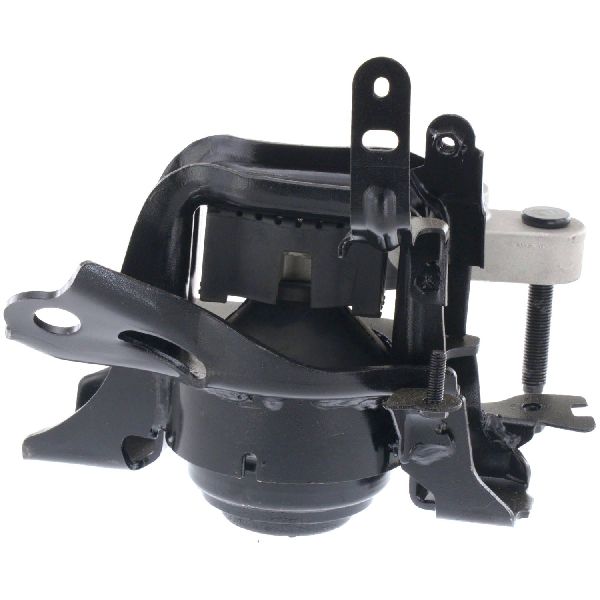
The 2018-2024 Toyota Highlander uses a combination of hydraulic and solid rubber engine mounts. There are typically four mounts in total: a front mount, a rear mount, a transmission mount, and a right-side upper torque strut mount (often called a 'dog bone'). Mounts differ between the 3.5L V6 and 2.5L Hybrid powertrains, as well as between the 3rd Gen (2018-2019) and 4th Gen (2020-2024) models.
We Have This Part in Stock

The information in this article is provided for general reference and educational purposes only. Vehicle specifications, procedures, and part compatibility can vary by production date, trim level, and region. Always consult your vehicle's factory service manual and verify part numbers before purchasing or performing repairs. Safety-critical components such as airbags, seat belts, and braking systems should be installed by a qualified professional.
- Toyota Highlander:
- 🎬 Helpful Videos
- 🛍️ Shop This Part
- Is Your Highlander's Engine Mount Failing?
- Known Issue: 2020-2022 Highlander Hybrid Engine Noise
- OEM vs. Aftermarket Mounts for Your Highlander
- Choosing an Aftermarket Brand: Good, Better, Best
- Cost to Replace a Toyota Highlander Engine Mount
- Frequently Asked Questions
- 🎟️ Get 5% Off