

A Guide to Replacing Disc Brake Pads on Your 2018-2025 Audi A4 Quattro
Get the right stopping power for your Audi without the dealership price tag by choosing the best aftermarket brake pads.
- You must use a scan tool to retract the rear electronic parking brake (EPB) before starting a rear brake job.
- For best results and safety, it is highly recommended to replace the brake rotors at the same time as the pads.
- Choose your aftermarket pad material based on your priorities: ceramic for low dust and quiet daily driving, or semi-metallic for high-performance use.
- Ensure your new pad set includes or is compatible with your A4's electronic wear sensors.
Signs of Worn Brake Pads
Your Audi A4 is equipped with an electronic brake wear sensor that will trigger a warning light on your dashboard when the pads are low. However, you might notice other symptoms first. A high-pitched squeal when you first apply the brakes is a common sign. If you hear a loud grinding or scraping noise, it means the pads are completely worn away, and you should stop driving immediately to prevent severe damage to the brake rotors. You might also feel a vibration or pulsing in the brake pedal, which often indicates warped rotors that should be replaced along with the pads.
OEM vs. Aftermarket Brake Pads
When it's time for a replacement, you have a choice between Original Equipment Manufacturer (OEM) pads and a wide variety of aftermarket options. OEM pads for Audi are often made by brands like Textar, Pagid, or TRW and are designed for a specific balance of performance, low noise, and durability. They are a reliable choice but often come with a higher price tag from the dealership.
Aftermarket pads offer more choices to suit your driving style and budget. You can find pads that provide similar performance to OEM, pads that create less brake dust, or high-performance pads for more aggressive driving.
A Note on Brake Dust and Noise
Many Audi owners complain about excessive brake dust and occasional squealing from the factory pads, which are typically a semi-metallic compound. This is a common trade-off for the strong braking performance German cars are known for. Aftermarket ceramic pads are a popular solution for reducing dust and noise for daily driving.
Choosing the Right Aftermarket Brake Pads
With so many brands available, picking the right one can be confusing. They generally fall into three tiers:
- Premium / OEM-Equivalent: Brands like ATE, Brembo, Textar, Pagid, and Zimmermann offer quality that is very close to the original factory pads. They are an excellent choice for replicating the stock feel and performance of your A4. ATE and Akebono are often recommended by owners for their quiet operation and low dust.
- Performance / Sport: If you enjoy spirited driving, brands like Hawk Performance, EBC Brakes (Redstuff, Yellowstuff), and certain lines from Brembo and Powerstop offer a stronger initial bite and better resistance to brake fade at high temperatures. Be aware that these pads may produce more noise and dust than standard pads.
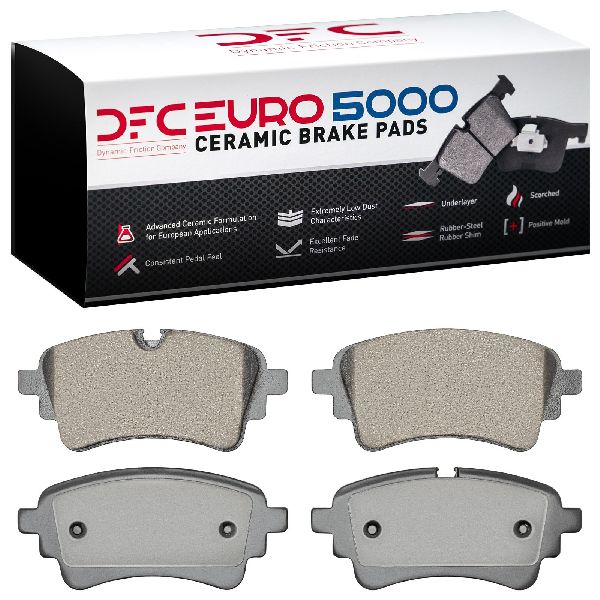
- Daily Driver / Value: Brands such as Bosch, Centric, Dynamic Friction, and Raybestos provide reliable, safe braking for everyday commuting at a more budget-friendly price. They are a solid choice if you are not focused on high-performance driving.
Always Replace Rotors with Pads?
Many dealerships and independent shops will insist on replacing the brake rotors at the same time as the pads on an Audi. This is because modern brake rotors are thinner and lighter than they used to be and tend to wear down along with the pads. For the best and safest braking performance, it is highly recommended to install new rotors with new pads.
Known Issues, Recalls, and TSBs
While there are no specific recalls for brake pads on the 2018-2025 Audi A4, brake noise is a common complaint. Audi has issued Technical Service Bulletins (TSBs) like 2034181/21 to help technicians diagnose and handle various brake noises like squealing or grinding. These noises can be caused by anything from pad material to surface rust on the rotors after the car sits. There have been recalls for other brake system components on different Audi models, but none directly target the pads for this specific vehicle range.
Brake Pad Replacement Cost
The cost can vary significantly based on the parts you choose and labor rates in your area. Dealerships often charge a premium for brake services.
| Service | Estimated Cost |
|---|---|
| Aftermarket Pad Set (Parts Only) | $39 - $342 |
| OEM Pad Set (Parts Only) | $257 - $300+ |
| Shop Labor (Pads Only) | $110 - $161 per axle |
| Total Aftermarket (Pads & Labor) | $150 - $500+ per axle |
| Total at Dealership (Pads & Rotors) | $850 - $1,700+ per axle |
Frequently Asked Questions (FAQ)
Do I need a special tool to change the rear brake pads?
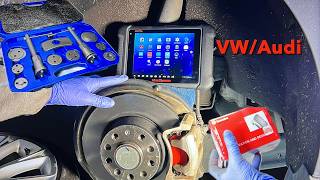
Yes. The 2018-2025 Audi A4 Quattro has an Electronic Parking Brake (EPB). You must use a compatible automotive scan tool to put the rear brake calipers into "service mode" before you can push the pistons back. Attempting to force the piston without doing this will damage the caliper. After the new pads are in, the tool is used to take the system out of service mode.
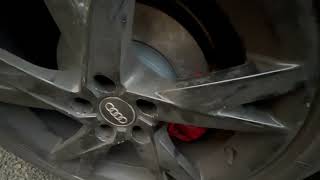
🎬 Learn how to reset your EPB for rear pad replacement.Do aftermarket brake pads come with the wear sensor?
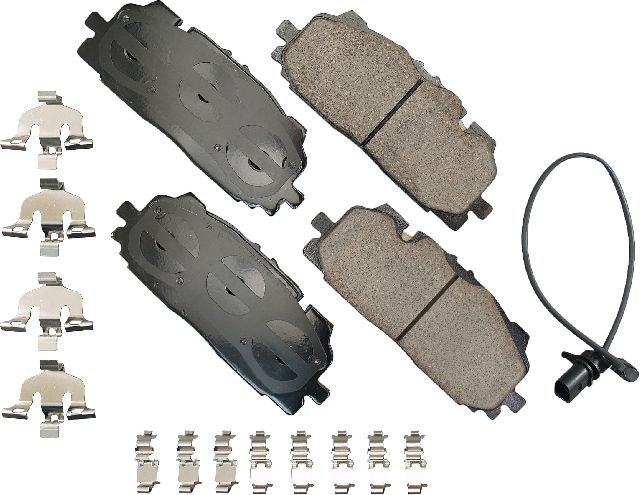
Some do, and some don't. Your A4 has an electronic wear sensor on the front left and right rear inner brake pads. When buying new pads, make sure the set either includes a new sensor or is designed to reuse your existing one if it hasn't been triggered yet. High-quality aftermarket kits usually include new sensors.
Why are my new brakes squeaking?
New brakes can sometimes squeak during the first few hundred miles. This is often part of the "bedding-in" process, where a thin layer of the pad material transfers to the rotor. If the noise persists, it could be due to the pad composition (high-performance pads can be noisy) or improper installation, such as not applying brake grease to the correct contact points.
What's the difference between ceramic and semi-metallic pads?
Semi-metallic pads, like the ones that often come from the factory, offer excellent performance and heat dissipation but tend to create more dust and noise. Ceramic pads are known for being very quiet and producing a fine, light-colored dust that is much less noticeable. While their performance is great for daily driving, aggressive sport pads are typically semi-metallic for their superior high-heat capabilities.
Helpful Videos
Technical Specifications
OEM Part Numbers: 8W0-698-451-AR
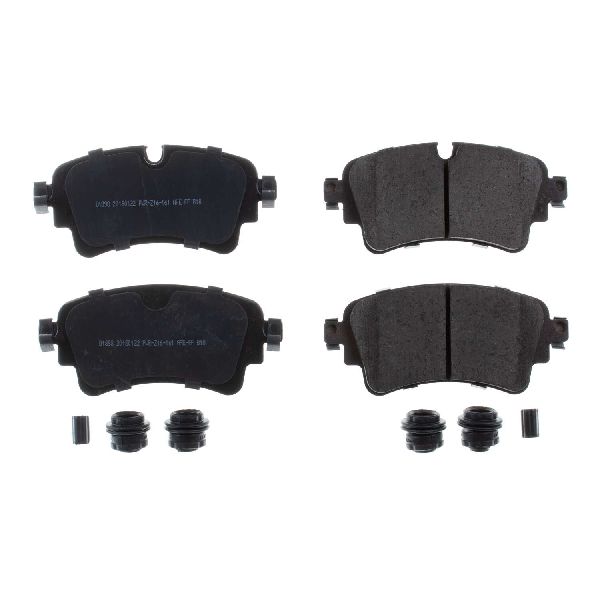
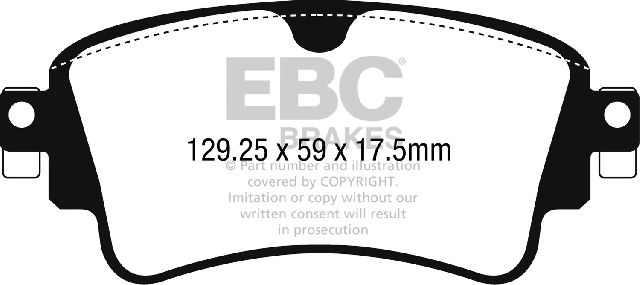
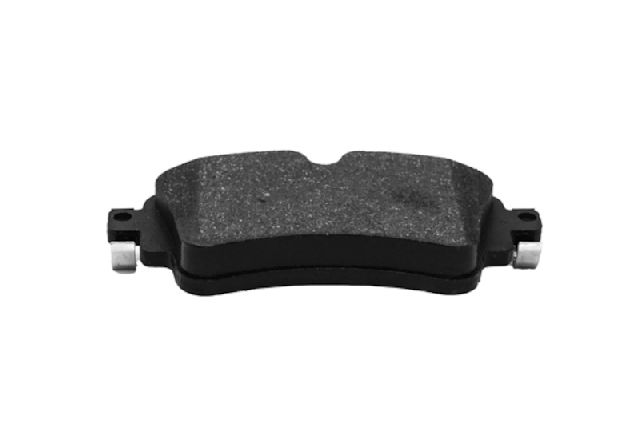
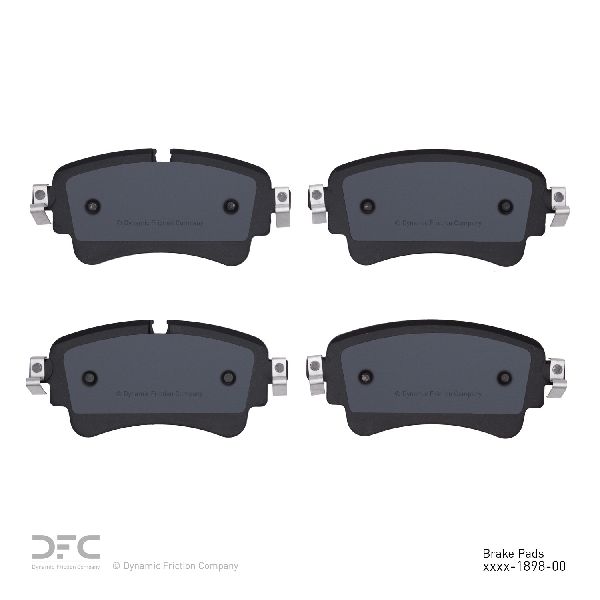
Pad sets for the Audi A4 Quattro (B9) typically include pads for one axle (front or rear). Front and rear pads are different sizes and not interchangeable. Sets should include provisions for the electronic wear sensor, which is located on the inner pad for the front-left and rear-right wheels. The rear calipers require a special electronic tool to retract the piston for service.
We Have This Part in Stock

The information in this article is provided for general reference and educational purposes only. Vehicle specifications, procedures, and part compatibility can vary by production date, trim level, and region. Always consult your vehicle's factory service manual and verify part numbers before purchasing or performing repairs. Safety-critical components such as airbags, seat belts, and braking systems should be installed by a qualified professional.
- Audi A4 Quattro:
- 🎬 Helpful Videos
- 🛍️ Shop This Part
- Signs of Worn Brake Pads
- OEM vs. Aftermarket Brake Pads
- A Note on Brake Dust and Noise
- Choosing the Right Aftermarket Brake Pads
- Always Replace Rotors with Pads?
- Known Issues, Recalls, and TSBs
- Brake Pad Replacement Cost
- Frequently Asked Questions (FAQ)
- 🎟️ Get 5% Off