

Guide to Replacing Disc Brake Pads on Your 2018-2025 Dodge Durango
Stop brake noise and restore stopping power with the right set of aftermarket pads for your SUV.
- Identify your Durango's brake system (standard or Brembo) before buying parts, as they are not interchangeable.
- For most owners, a premium ceramic pad from a brand like PowerStop, Akebono, or Bosch offers the best mix of low dust, quiet operation, and reliable stopping power.
- If you tow or drive a high-performance SRT model, upgrade to a heavy-duty or performance pad set (e.g., PowerStop Z36, Hawk) to prevent brake fade.
- A recall for the ABS module affects 2018-2019 models; check with a dealer to ensure your vehicle is safe and up to date.
Symptoms of Worn Dodge Durango Brake Pads

Noticing the signs of worn brake pads early can save you from more expensive repairs, like replacing rotors. If your Durango shows any of these symptoms, it's time for an inspection.
- Squealing or Screeching: A high-pitched noise when you apply the brakes is often the first sign. This is caused by a small metal wear indicator built into the pads.
- Grinding Noise: A loud, metallic grinding sound means the pads are completely worn away. This is a serious issue where metal is grinding against metal, which can quickly destroy your brake rotors.
- Vibration in Pedal or Steering Wheel: If you feel a pulsing or vibration when braking, it could mean your brake rotors have been warped from the heat of worn-out pads.
- Longer Stopping Distance: If you notice it takes longer to stop your Durango, your pads may be too worn to provide effective friction.
- Brake Warning Light: Some vehicles have a brake warning light on the dashboard to notify you of a potential issue. 🎬 Watch: See and hear these common brake pad failure symptoms.
Recall & TSB Information for 2018-2019 Models
Chrysler issued a recall (NHTSA Campaign Number: 24V838000) for 2018-2019 Dodge Durango models due to a potential malfunction in the anti-lock brake system (ABS) module. This can cause the brake lights to illuminate incorrectly, disable stability control, and even allow the vehicle to shift out of park without the brake pedal being pressed. This recall replaces a previous one (22V-426), and vehicles serviced under the old recall will need the new remedy. A related Technical Service Bulletin (TSB #9004548RevB) was also issued for brake lights staying on. Contact a dealer with your VIN to see if your vehicle is affected.
Choosing the Right Aftermarket Brake Pads for Your Durango


The original Mopar pads are a reliable choice, but the aftermarket offers a wider selection of materials and price points. The best pad for you depends on your Durango's trim (V6, R/T, SRT) and how you drive.
Brake System Differences
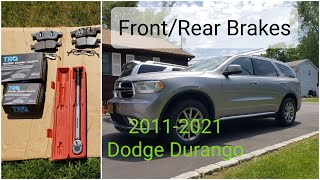
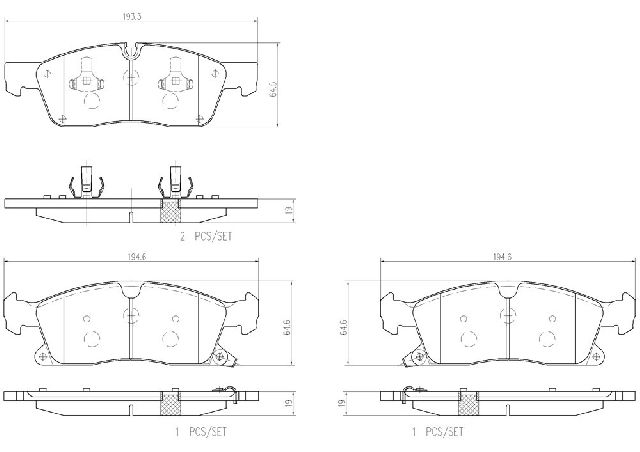
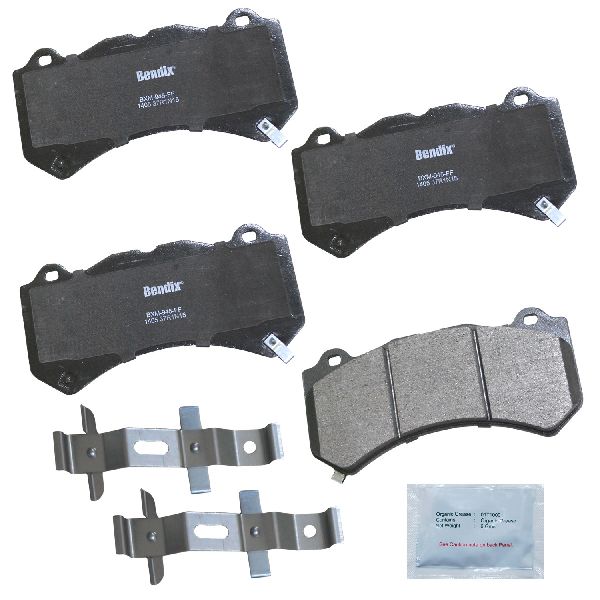
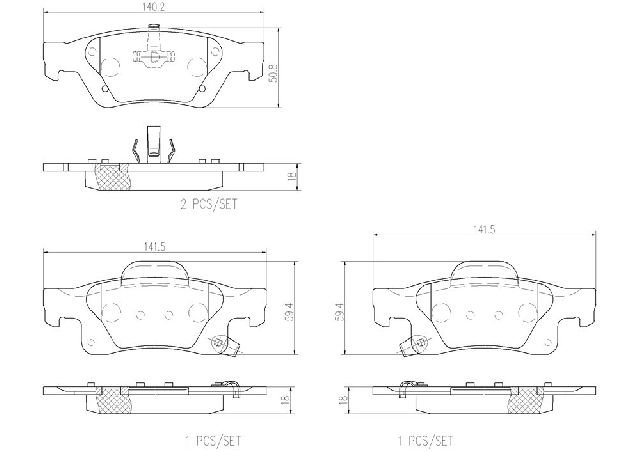
It's important to know that not all Durangos use the same brakes. High-performance models like the SRT, or those with the Tow 'N' Go package, are equipped with larger, multi-piston Brembo calipers. These require different, model-specific brake pads compared to the standard brakes on V6 or R/T models. 🎬 See this step-by-step guide for replacing front and rear brakes. Always verify fitment for your specific trim level.
Brake Pad Tiers
Economy / Daily Driver Pads (e.g., Dynamic Friction, Centric, Raybestos Element3)
These pads are designed to be affordable, quiet, and produce low dust, making them a good choice for everyday commuting. They offer performance similar to the original factory pads for normal driving conditions.
Premium Ceramic Pads (e.g., Akebono, Bosch, PowerStop Z16/Z23)
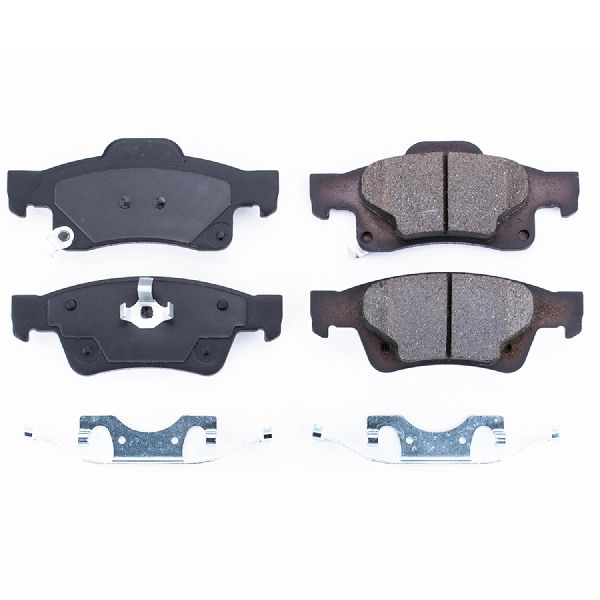
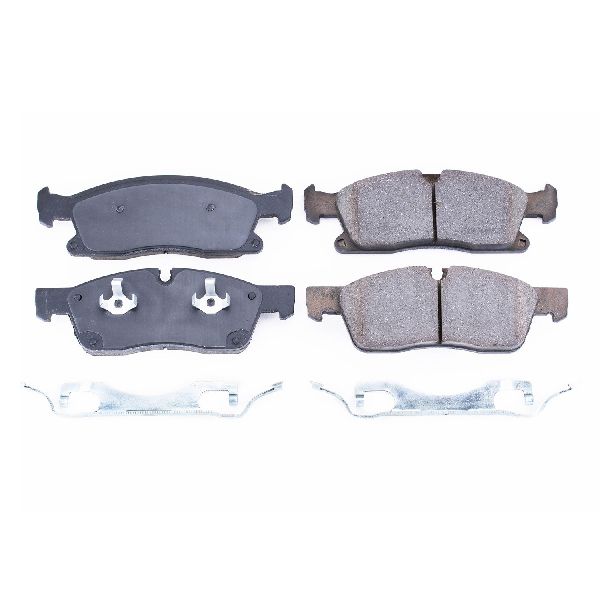
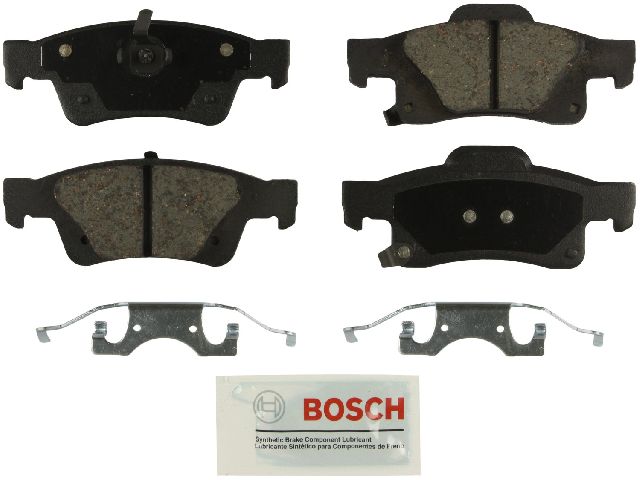
This is the most popular category for Durango owners. Premium ceramic pads offer an excellent balance of quiet operation, significantly less brake dust than stock pads, and solid stopping power for daily driving and light towing. Brands like PowerStop are frequently recommended by owners for reducing the heavy brake dust common with OEM Brembo pads. Akebono is also highly regarded for smooth, quiet performance, though they may not make pads for the larger SRT Brembo brake systems.
Performance / Towing Pads (e.g., PowerStop Z36, Hawk, EBC Brakes)
If you frequently tow a trailer, drive aggressively, or have a high-horsepower SRT model, you need a performance pad. These pads are made from carbon-fiber ceramic or aggressive semi-metallic compounds that handle high heat better and resist brake fade. PowerStop's Z36 Truck & Tow and Z26 Street Warrior kits are very popular upgrades. Brands like Hawk and EBC offer even more aggressive stopping power, but this often comes with more noise and dust.
Cost to Replace Dodge Durango Brake Pads

| Part/Service | Estimated Cost |
|---|---|
| New Aftermarket Pad Set (per axle) | $25 - $440 |
| New OEM (Mopar) Pad Set (per axle) | $100 - $500+ |
| Shop Labor (per axle) | $150 - $300 |
Costs are estimates and can vary based on your location, vehicle trim (standard vs. Brembo), and the specific parts chosen. High-performance pads for SRT models are significantly more expensive.
Frequently Asked Questions
Do I need to replace my rotors at the same time as my pads?
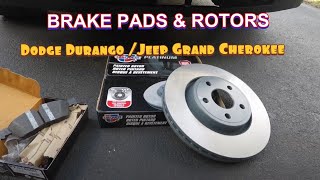
It is highly recommended. If your rotors are thin, grooved, or warped (causing vibration), they must be replaced. Installing new pads on old, worn rotors will reduce braking performance and cause the new pads to wear out much faster. Many brands like PowerStop and Centric offer convenient pad and rotor kits.
What is the difference between standard and Brembo brakes on a Durango?
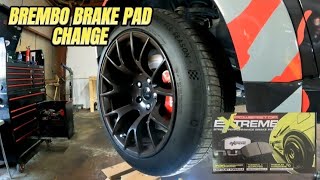
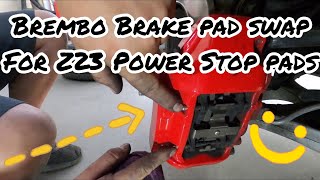
Standard brakes, found on most V6 and R/T models, use a single-piston floating caliper. High-performance models like the SRT and those with the Tow 'N' Go package use much larger, fixed Brembo calipers with multiple pistons (e.g., 6-piston front). These systems provide superior stopping power but require specific, more expensive pads and a different replacement procedure.
🎬 Watch: How to change pads on high-performance Brembo calipers.How often should I replace my Durango's brake pads?
Brake pad life varies greatly depending on driving habits, but a typical range is 30,000 to 70,000 miles. If you do a lot of city driving or towing, you will be on the lower end of that range. Aggressive driving, especially in heavier R/T and SRT models, will also wear pads more quickly.
What does it mean to "bed-in" new brakes?
Bedding-in is a process of controlled stops after installation to transfer an even layer of friction material from the new pads to the rotors. This ensures smooth, quiet, and powerful braking. Most manufacturers provide specific instructions, but it typically involves a series of moderate stops from a medium speed, with cooling periods in between.
Helpful Videos
Technical Specifications
OEM Part Numbers: 68507583AB
Brake systems vary by trim. Standard models use single-piston floating calipers. R/T Tow 'N' Go, SRT 392, and Hellcat models use larger, multi-piston fixed Brembo calipers requiring specific pads. Pad material is typically ceramic or semi-metallic.
We Have This Part in Stock

The information in this article is provided for general reference and educational purposes only. Vehicle specifications, procedures, and part compatibility can vary by production date, trim level, and region. Always consult your vehicle's factory service manual and verify part numbers before purchasing or performing repairs. Safety-critical components such as airbags, seat belts, and braking systems should be installed by a qualified professional.
- Dodge Durango:
- 🎬 Helpful Videos
- 🛍️ Shop This Part
- Symptoms of Worn Dodge Durango Brake Pads
- Recall & TSB Information for 2018-2019 Models
- Choosing the Right Aftermarket Brake Pads for Your Durango
- Brake System Differences
- Brake Pad Tiers
- Cost to Replace Dodge Durango Brake Pads
- Frequently Asked Questions
- 🎟️ Get 5% Off