

Ford Ranger Spark Plug Guide for 2018-2025 Models
Everything you need to know about replacing the spark plugs on your 2.3L EcoBoost Ranger.
- Check for water in the spark plug wells due to a known TSB (23-2011) on 2019-2022 models.
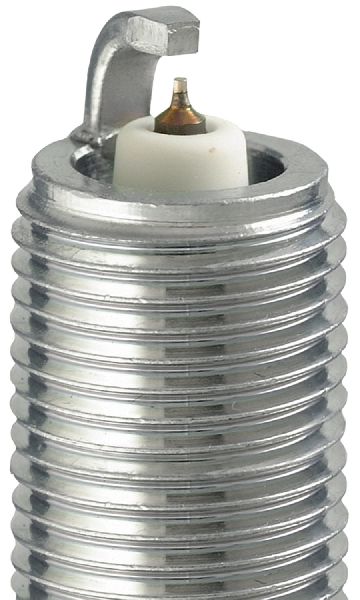
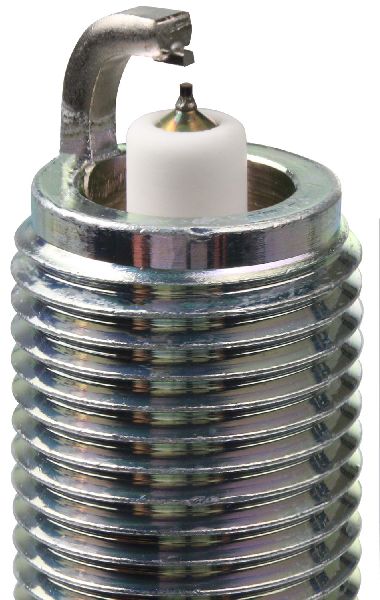
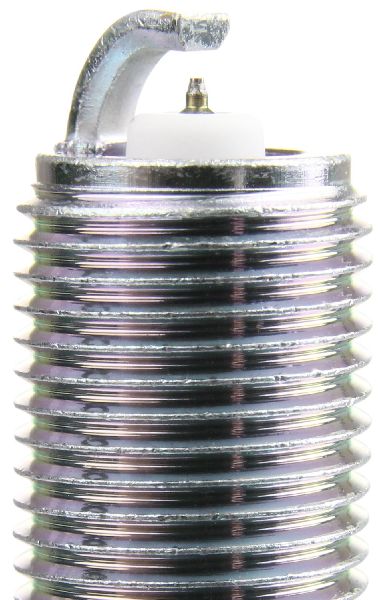
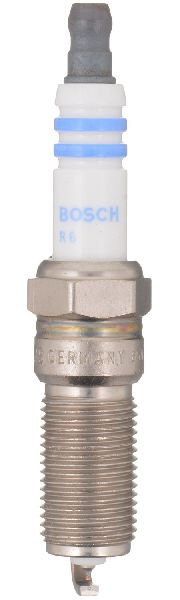
- Stick with high-quality Iridium or Ruthenium plugs from brands like Motorcraft, NGK, or Bosch.
- While the official interval is 100,000 miles, consider changing plugs every 60,000 miles for severe use or tuned engines.
- This is a simple DIY job that requires basic tools and about an hour of your time.
Signs of Failing Spark Plugs in Your Ranger


Worn-out spark plugs can cause noticeable problems. Because the 2.3L EcoBoost is a high-performance, turbocharged engine, it's sensitive to spark quality. If your plugs are failing, you might experience one or more of these symptoms:
🎬 Watch a breakdown of common symptoms of bad spark plugs.- Rough Idle: The truck may shake or vibrate more than usual when stopped.
- Engine Misfires: You might feel a shudder or hesitation during acceleration. This can also trigger a flashing Check Engine Light.
- Poor Acceleration: The truck may feel sluggish or less responsive than normal.
- Worse Fuel Economy: Inefficient combustion means you'll be stopping for gas more often.
- Difficulty Starting: A weak spark can make it harder for the engine to turn over, especially in cold weather.
- Check Engine Light: Misfire codes like P0300, P0301, P0302, P0303, or P0304 are common indicators of spark plug issues.
Known Issue: Water in Spark Plug Wells
A significant issue for 2019-2022 Rangers is water leaking into the spark plug wells. This is often due to a cowl seam design that allows water from the windshield to drip onto the engine, especially when parked facing downhill. This moisture causes the ignition coil boots and spark plugs to corrode, leading to misfires and a Check Engine Light (DTCs P0300-P0304). Ford issued Technical Service Bulletin (TSB) 23-2011 to address this, which involves replacing the corroded components and installing an engine cover that was omitted on some later models. It is critical to check the spark plug wells for moisture or corrosion when replacing plugs.
Choosing the Right Aftermarket Spark Plugs

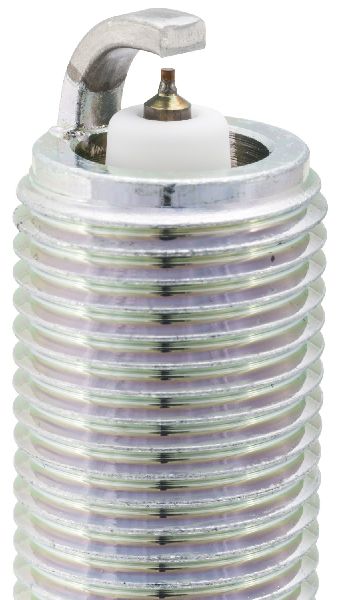
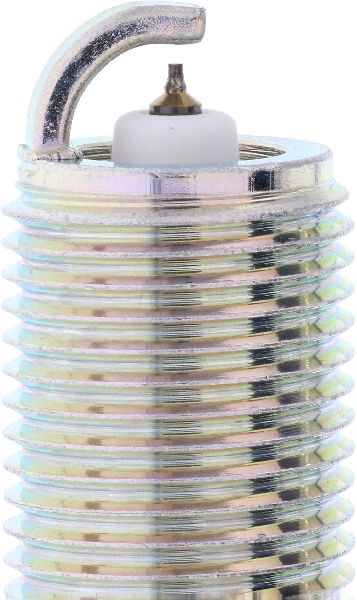
The original equipment (OEM) Motorcraft plugs for the Ranger are high-quality, often made by NGK, and are an excellent choice. However, quality aftermarket brands can offer equal or sometimes better performance, especially for tuned engines. The key is to use Iridium or Ruthenium plugs, which are designed for the high heat and pressure of turbocharged engines.
Brand Tiers for the Ford Ranger:
- Top Tier (OEM equivalent or better): NGK and Bosch are widely considered top choices. NGK is often the original manufacturer for Ford and their Iridium and Ruthenium plugs are highly recommended by Ranger owners for their durability and performance. Bosch also produces excellent Iridium plugs that are a reliable alternative.
- Mid-Grade: Autolite, which has historic ties to Ford, produces reliable plugs. While some enthusiasts prefer NGK for EcoBoost engines, Autolite Iridium plugs are a solid, cost-effective option.
- Economy Tier: Champion plugs are generally considered a lower-tier option by many mechanics and forum users for modern, high-performance engines like the EcoBoost. While they may function, they are not typically recommended for optimal performance or longevity in this specific application.
OEM vs. Aftermarket Quality
For the 2018-2025 Ranger, the OEM Motorcraft plugs (typically SP-594 or SP-578) are excellent Iridium plugs made by NGK. High-quality aftermarket plugs from brands like NGK or Bosch will perform just as well, if not better in some cases. The most important factor is choosing the correct material (Iridium or Ruthenium) and heat range for your truck. Avoid basic copper plugs, as they are not suitable for the 2.3L EcoBoost engine.
Replacement Cost
Replacing spark plugs is a common maintenance item. Prices can vary based on who does the work.
| Item | Estimated Cost |
|---|---|
| New Aftermarket Spark Plugs (DIY) | $43 - $83 (for a set of 4) |
| Shop Labor | $107 - $157 |
| Total Professional Replacement | $161 - $212+ |
Frequently Asked Questions

When should I replace the spark plugs on my Ranger?
Ford's official recommendation is every 100,000 miles for normal service. However, for trucks that tow frequently, operate in harsh conditions, or have an aftermarket engine tune, many owners and experts recommend a shorter interval of 30,000 to 60,000 miles to maintain peak performance.
Is replacing the spark plugs a DIY job?
Yes, for most people with basic tools, this is a very feasible DIY job. The spark plugs are easily accessible on top of the engine. The difficulty is low, and it typically takes about an hour. 🎬 Follow this step-by-step guide to replace your Ranger's spark plugs. You will need a ratchet, extensions, an 8mm socket for the coil bolts, and a 5/8" swivel spark plug socket.
Do I need to gap the new spark plugs?
Most modern Iridium and Ruthenium spark plugs come pre-gapped. It is always a good practice to verify the gap with a feeler gauge, but you should not attempt to re-gap them by prying on the electrode, as this can damage the fine tip. If a plug is dropped or the gap is incorrect out of the box, it's best to replace it.
Should I use anti-seize on the plug threads?
No. Modern spark plugs, including the Motorcraft and NGK plugs for your Ranger, have a special plating that prevents them from seizing in the aluminum cylinder head. Adding anti-seize can act as a lubricant, causing you to over-torque the plugs and potentially damage the cylinder head threads. Install them dry.
Helpful Videos
Technical Specifications
OEM Part Numbers: SP-594 SP-578 CYFS12YPT
Engine: 2.3L I-4 EcoBoost Quantity needed: 4 Socket Size: 5/8 inch Plug Type: Iridium or Ruthenium
We Have This Part in Stock

The information in this article is provided for general reference and educational purposes only. Vehicle specifications, procedures, and part compatibility can vary by production date, trim level, and region. Always consult your vehicle's factory service manual and verify part numbers before purchasing or performing repairs. Safety-critical components such as airbags, seat belts, and braking systems should be installed by a qualified professional.
- Ford Ranger: