

Toyota Prius AWD-e Engine Coolant Temperature Sensor Guide (2019-2022)
A faulty coolant sensor can hurt your Prius AWD-e's fuel economy and hybrid performance.
- For best results, choose the Denso brand; it is the Original Equipment Manufacturer for Toyota.
- A bad sensor directly impacts fuel economy and the smooth operation of the hybrid system.
- There are no widespread recalls for this part, suggesting the original is reliable.
- Replacement is possible for a DIYer, but a shop's cost is mostly labor due to potentially tricky access.
Symptoms of a Failing Coolant Temperature Sensor
Your 2019-2022 Prius AWD-e is a complex vehicle, but the signs of a bad engine coolant temperature sensor are often straightforward. The most common symptom is the Check Engine Light illuminating on your dashboard. You may also notice your car is getting worse gas mileage than usual because the engine isn't running at the right temperature for optimal efficiency. Other signs include a rough or unstable idle, difficulty starting the engine, or seeing the temperature gauge on your dash behave erratically or show an overheating condition when the engine is not actually hot.
Is It Overheating?
A bad sensor can sometimes fail to trigger the radiator cooling fans, which could lead to genuine engine overheating. If you see steam from the engine bay or the temperature gauge is in the red, pull over immediately and turn the engine off to prevent serious damage.
Choosing the Right Aftermarket Sensor
When replacing the ECT sensor, you have several choices. For a critical component like this on a modern Toyota, the brand you choose matters. Not all aftermarket parts are created equal.
Tier 1: OEM-Equivalent
Denso: Denso is the original equipment manufacturer (OEM) for many of Toyota's electronic parts. Choosing a Denso sensor from the aftermarket is often the exact same part that came in your Prius from the factory, just in a different box and at a lower price. For reliability and peace of mind, Denso is the top recommendation.
Tier 2: Reputable Aftermarket Brands
Beck Arnley, Delphi, Standard Ignition (SMP): These are well-known brands that produce quality replacement parts. Beck Arnley specializes in parts for foreign nameplates and aims to match OE form and function. Delphi is another major OE supplier with a strong reputation. Standard Ignition is a long-standing aftermarket company. While generally reliable, some users across different car models have occasionally reported minor fitment issues with plastic connectors from aftermarket brands, so inspect the part carefully before installation.
Tier 3: Value-Oriented Brands
URO Parts, Holstein, Walker Products, Facet, Global Parts: These brands typically offer the most budget-friendly options. They can be a good choice if the price is your main concern. However, for a sensor that plays a key role in engine and hybrid system management, sticking with an OEM-equivalent or a top-tier aftermarket brand is often worth the small extra cost to ensure long-term reliability and correct performance.
Pro Tip: Check the Connector
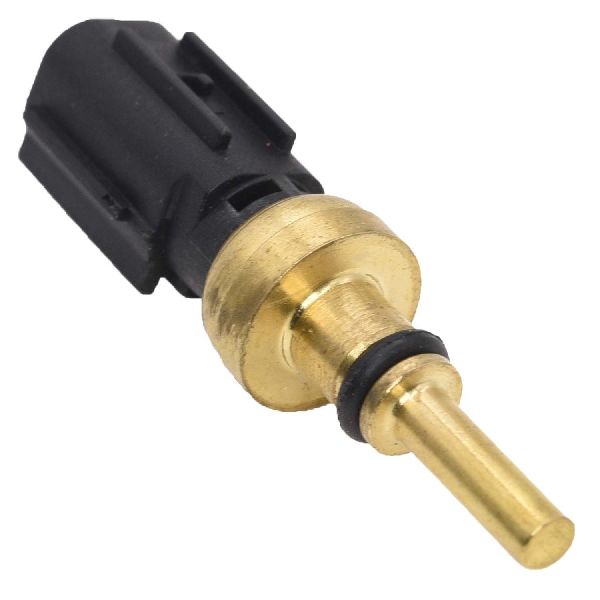
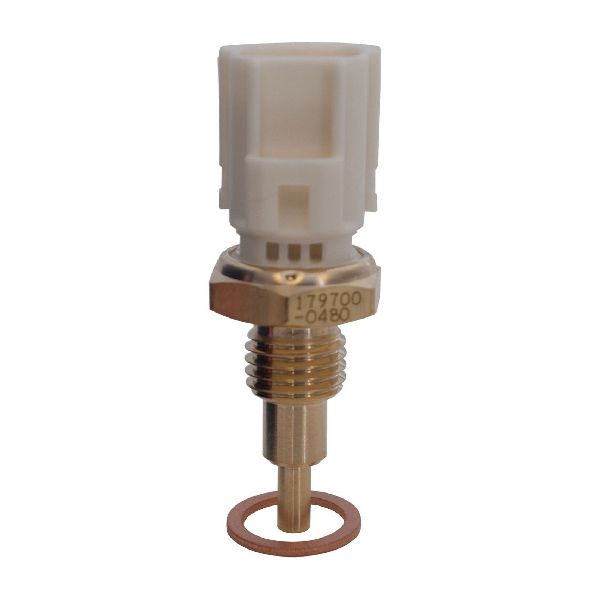
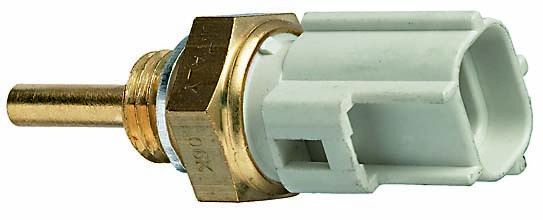
Before buying, visually compare the new sensor's electrical connector to the one on your vehicle if possible. The shape and locking tab design should be identical to ensure a secure, weather-tight connection.
Known Issues, Recalls, or TSBs
Currently, there are no major recalls or Technical Service Bulletins (TSBs) from Toyota specifically concerning the engine coolant temperature sensor for the 2019-2022 Prius AWD-e. This indicates that the original factory part is generally reliable and not prone to widespread premature failure.
Cost of Replacing the Engine Coolant Temperature Sensor
The cost can vary significantly depending on whether you do the job yourself or have a professional mechanic do it.
| Item | Estimated Cost |
|---|---|
| New Aftermarket Part | $13.46 - $85.12 |
| New OEM Part | $97 - $123 |
| Shop Labor | $293 - $430 |
| Total Professional Replacement | $390 - $553 |
Frequently Asked Questions (FAQ)
Where is the engine coolant temperature sensor located on my 2019-2022 Prius AWD-e?
The engine coolant temperature sensor is typically located on the driver's side of the engine, threaded into a coolant passage or a water outlet pipe. On this specific Prius model, you may need to remove the plastic engine cover and possibly some air intake components to see and access it. It will have a small electrical connector attached to it.
Can I drive my Prius with a bad coolant sensor?
Yes, but it is not recommended for an extended period. The car's computer will go into a "fail-safe" mode, assuming a default temperature. This will cause poor fuel economy, rough performance, and may prevent the cooling fans from turning on, risking an actual overheat situation. It's best to get it replaced as soon as possible.
Is it better to buy an OEM sensor from the dealer or an aftermarket one?
For this part, buying a Denso brand aftermarket sensor is the smartest choice. Denso is the OEM supplier for Toyota, so you get the same quality as the dealer part without the higher price tag. If Denso is not available, a reputable brand like Beck Arnley or Delphi is a safe second choice.
Is this the same as the temperature sensor for the hybrid system?
No. The Prius has multiple cooling systems. This article refers to the sensor for the gasoline engine's cooling system. The hybrid system, including the battery and inverter, has its own separate cooling system with its own sensors. A failure in the engine coolant sensor will not directly report on the hybrid system's temperature.
Technical Specifications
OEM Part Numbers: 89422-47010
2-pin connector, typically requires a 19mm deep socket for removal. Torque to approximately 71 in-lbf (8.0 N·m).
We Have This Part in Stock


The information in this article is provided for general reference and educational purposes only. Vehicle specifications, procedures, and part compatibility can vary by production date, trim level, and region. Always consult your vehicle's factory service manual and verify part numbers before purchasing or performing repairs. Safety-critical components such as airbags, seat belts, and braking systems should be installed by a qualified professional.
- Toyota Prius AWD-e:
- 🛍️ Shop This Part
- Symptoms of a Failing Coolant Temperature Sensor
- Is It Overheating?
- Choosing the Right Aftermarket Sensor
- Tier 1: OEM-Equivalent
- Tier 2: Reputable Aftermarket Brands
- Tier 3: Value-Oriented Brands
- Pro Tip: Check the Connector
- Known Issues, Recalls, or TSBs
- Cost of Replacing the Engine Coolant Temperature Sensor
- Frequently Asked Questions (FAQ)
- 🎟️ Get 5% Off