

Audi S5 Engine Coolant Temperature Sensor: A Guide for 2019-2023 Models
Understanding the signs of a failing coolant temperature sensor on your B9/B9.5 Audi S5 and how to choose the right replacement.
- Coolant warnings on a 2019-2023 S5 may point to a thermostat or water pump failure, not just the sensor.
- Symptoms of a bad sensor include poor fuel economy, overheating or fans always on, and a Check Engine Light.
- Choosing a premium aftermarket brand like VNE can offer OEM-level quality for less money.
- This is a relatively inexpensive and simple repair, but proper diagnosis is essential to avoid replacing the wrong part.
Symptoms of a Failing Engine Coolant Temperature Sensor
A bad coolant temperature sensor can cause a range of issues, from annoying to serious. Because the sensor's data is so important, a false signal can confuse the engine's computer. Watch for these common signs:
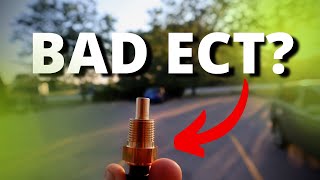
🎬 Watch: A visual guide to symptoms of a bad sensor- Check Engine Light: This is often the first sign. The ECU detects an illogical signal from the sensor and stores a trouble code, such as P0115, P0118, or P218100.
- Poor Fuel Economy: If the sensor incorrectly tells the ECU the engine is cold, the computer will enrich the fuel mixture, causing your S5 to use more gas than necessary.
- Engine Overheating or Fans Always On: A faulty sensor might fail to trigger the cooling fans when needed, leading to overheating. Conversely, it could send a constant 'hot' signal, causing the radiator fans to run continuously, even when the engine is cold.
- Black Smoke from Exhaust: An overly rich fuel mixture from a bad sensor signal may not burn completely, resulting in black smoke from the tailpipe.
- Rough Idle or Poor Performance: Incorrect fuel and timing adjustments can lead to a shaky idle, hesitation, and a general lack of power.
Known Issues for the 2019-2023 Audi S5
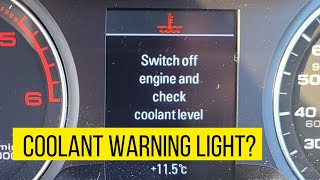
Before you replace the coolant temperature sensor, be aware that other cooling system problems are common on this platform. Many owners in forums report coolant warnings that are actually caused by a failing thermostat or water pump. There is a Technical Service Bulletin (TSB) for the trouble code P218100 (Cooling System Performance) that points to a faulty thermostat, not the sensor. 🎬 See why you shouldn't replace parts before watching this A more severe issue, known as "coolant migration," can occur when the water pump fails and leaks coolant into vacuum lines, leading to expensive, widespread damage. 🎬 Watch this DIY walkthrough for water pump and thermostat replacement Always perform a full diagnosis to confirm the sensor is the true cause of the problem.
Choosing the Right Aftermarket Sensor
When replacing the ECT sensor, you have a choice between Genuine Audi parts and aftermarket options. For a critical sensor on a high-performance engine like the S5's, quality is important.
- Genuine Audi (OEM): This is the part your car was built with. It guarantees perfect fit and function but comes at the highest price.
- Premium Aftermarket (e.g., VNE): Some aftermarket brands, like VNE, are known Original Equipment (OE) suppliers for European vehicles. These parts often match OEM quality and performance without the dealership price tag, making them a smart choice.
- Standard Aftermarket (e.g., Global Parts): These are budget-friendly options that meet basic requirements. While they can be a good value, their long-term durability and sensor accuracy may not match premium brands. For a non-critical part, this might be fine, but for an engine management sensor, it's often better to invest in a higher-quality component.
Pro Tip: When replacing the sensor, it's a good idea to also buy a new O-ring and retaining clip. These small parts ensure a leak-free seal and can become brittle over time.
Estimated Replacement Costs
The cost to replace the ECT sensor is reasonable, especially if you do it yourself. The part itself is not expensive.
| Part/Service | Estimated Cost |
|---|---|
| New OEM Sensor | $40 - $80 |
| New Aftermarket Sensor | $26 - $65 |
| Shop Labor | $75 - $150 |
| Total Estimated Cost (Shop) | $101 - $230 |
Note: Costs are estimates and can vary by location and repair shop. The high estimate from some repair sites may include extensive diagnostics or refer to a different, more complex job.
Frequently Asked Questions (FAQ)
Is a coolant warning on my S5 always the sensor?
No. On the 2019-2023 S5, coolant warnings are frequently caused by a failing thermostat or water pump. It is critical to properly diagnose the issue before replacing parts. A diagnostic code like P218100 is often linked to a faulty thermostat per an Audi TSB.
Can I replace the coolant temperature sensor myself?
Yes, this is often a straightforward DIY job for those with basic mechanical skills. The sensor is usually accessible on the engine. The job typically involves unplugging the electrical connector, removing a retaining clip, and swapping the old sensor for the new one. Be prepared for a small amount of coolant to spill.
What is the difference between the coolant temperature sensor and the coolant level sensor?
The coolant temperature sensor measures how hot the coolant is. The coolant level sensor, typically located in the coolant expansion tank, only monitors the amount of coolant in the system and will trigger a warning if the level is low. They are two separate parts with different functions.
Are there any recalls for this part on my Audi S5?
As of early 2026, there are no specific NHTSA safety recalls for the engine coolant temperature sensor on the 2019-2023 Audi S5. Recalls for older models or different components of the cooling system do exist, but they do not apply to this specific part and year range.
Helpful Videos


Technical Specifications
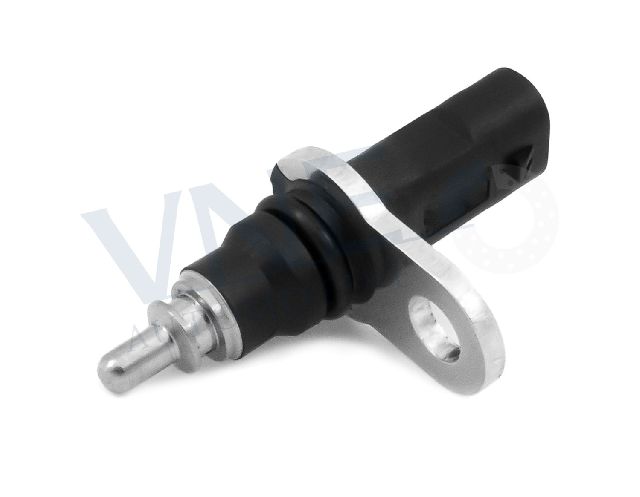
OEM Part Numbers: 079-919-525-M 079-919-523-J 06A919501A
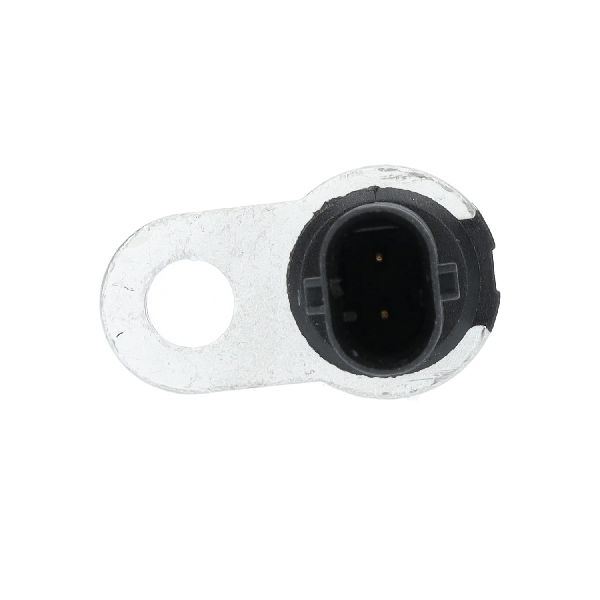
Connector Type: 2-Pin Plug
We Have This Part in Stock

The information in this article is provided for general reference and educational purposes only. Vehicle specifications, procedures, and part compatibility can vary by production date, trim level, and region. Always consult your vehicle's factory service manual and verify part numbers before purchasing or performing repairs. Safety-critical components such as airbags, seat belts, and braking systems should be installed by a qualified professional.
- Audi S5: