

A Guide to the Ignition Knock Sensor for the 2019-2023 Dodge Challenger
Understand why your Challenger might feel sluggish or get bad gas mileage and how to fix it.
- A bad knock sensor on a Challenger will cause a Check Engine Light and make the car feel noticeably less powerful.
- The sensors are located under the intake manifold, so replacement is labor-intensive and best left to a professional.
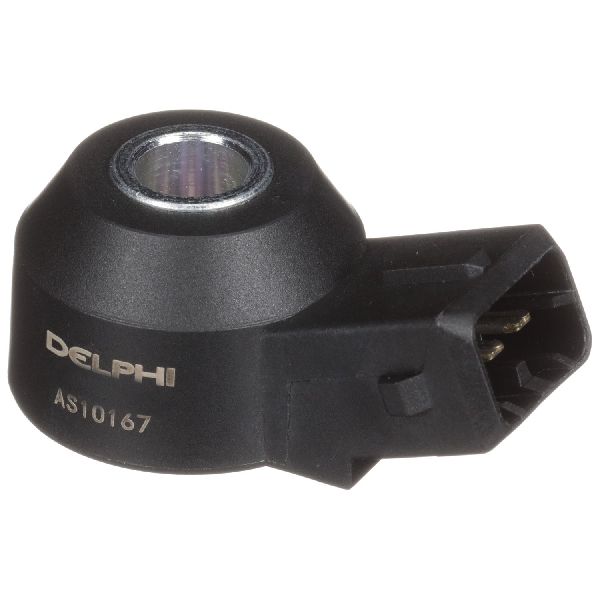
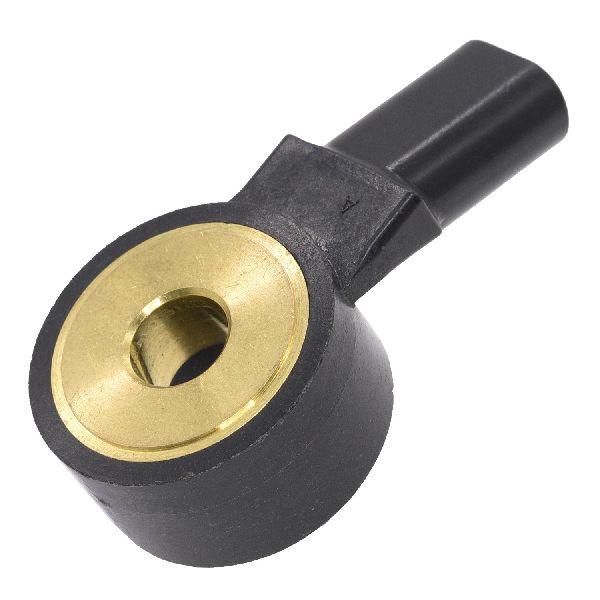
- Because of the difficult replacement, it is highly recommended to use a high-quality OEM or premium aftermarket brand (like Delphi or NGK) and replace both sensors at the same time.
- There are no specific recalls or TSBs for knock sensor failure on this vehicle, meaning failures are handled as individual repairs.
What is Engine Knock and Why Does It Matter in a Challenger?
Engine knock, also called detonation, is an uncontrolled explosion of the fuel and air mixture in your engine's cylinders, rather than a smooth, controlled burn. For a high-performance engine like the one in your Challenger, this is especially dangerous. It puts enormous stress on internal parts like pistons and can lead to severe damage if not corrected. The knock sensor is your engine's first line of defense against this damaging condition.
Symptoms of a Failing Knock Sensor
A bad knock sensor can't properly detect detonation, so the engine's computer plays it safe by reducing performance to prevent damage. This can make your powerful Challenger feel surprisingly weak.
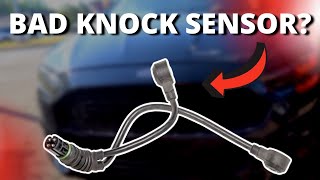
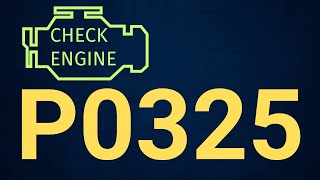
- Check Engine Light: This is the most common sign. You will likely see a trouble code like P0325 when you scan it. 🎬 Learn how to diagnose a P0325 trouble code
- Reduced Power and Acceleration: Your car may feel sluggish, especially when you try to accelerate hard.
- Worse Fuel Economy: When the engine isn't running efficiently, it burns more fuel.
- Engine Pinging or Knocking: You might hear a metallic pinging or rattling sound from the engine, especially under load like going uphill.
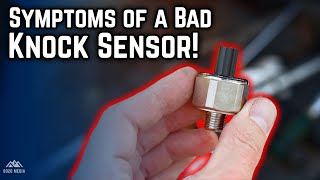
- Rough Idle: The engine may vibrate or run unevenly when you're stopped. 🎬 Watch: Common symptoms of a failing knock sensor
Where Are the Knock Sensors Located?
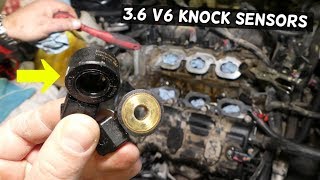
On both the V6 and V8 HEMI engines in the 2019-2023 Challenger, the knock sensors are located in the valley of the engine block, underneath the entire intake manifold. This means the manifold must be removed to access them, making replacement a more complex job than for many other sensors. V-style engines have two sensors, one for each cylinder bank.
🎬 See this walkthrough for replacing Pentastar V6 knock sensorsChoosing the Right Aftermarket Knock Sensor
For a critical sensor like this, quality matters. While an OEM Mopar sensor is always a safe bet, high-quality aftermarket parts can offer good performance for less money. Many brands often re-box parts from other manufacturers, so the name on the box isn't always the full story.
| Brand Tier | Brands | Honest Assessment |
|---|---|---|
| Premium Aftermarket | Delphi, NGK, Standard Ignition (SMP) | These brands are often original equipment manufacturers (OEMs) for many car companies. They have a strong reputation for quality and reliability, making them a solid choice that is often equal to the factory part. Delphi is a well-regarded brand for sensors. |
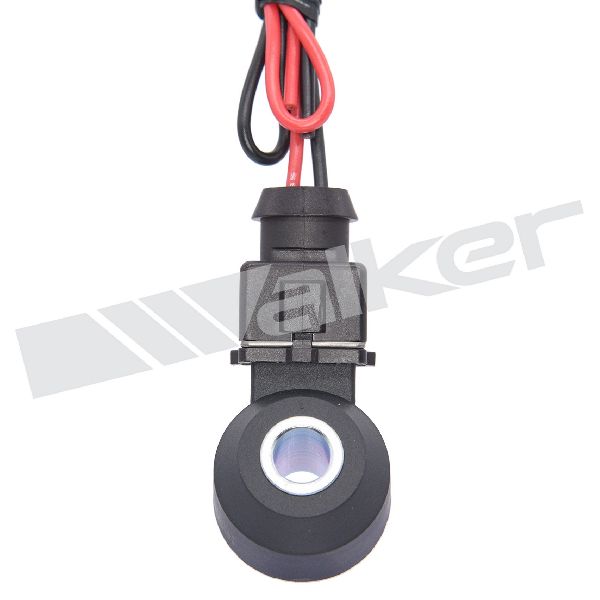
| Standard Aftermarket | Dorman, Beck Arnley, Walker Products, Holstein | These are well-known aftermarket brands that offer a balance of price and quality. Dorman is a common choice for a direct replacement that fits and functions like the original. They are a dependable option for most repairs. |
| Economy | Global Parts, Motorad | These brands focus on providing a low-cost alternative. While they can get the job done, their long-term durability and sensor accuracy may not match the higher-tiered brands. They are best for budget-conscious repairs where the primary goal is to clear a check engine light. |
A Note on Wiring
Sometimes, the problem isn't the sensor itself but the wiring harness that connects to it. Given the location under the manifold, this wiring is exposed to a lot of heat. It's wise to inspect the wiring for any damage or corrosion when replacing the sensors. Some brands, like Dorman, offer a kit that includes the harness.
Frequently Asked Questions (FAQ)
How many knock sensors does my 2019-2023 Challenger have?
Your Challenger, whether it has a V6 or a V8 engine, will have two knock sensors. There is one for each bank of cylinders. They are usually replaced in pairs since the labor to access them is the same.
Can I drive my Challenger with a bad knock sensor?
It is not recommended. While the car will likely run, the engine's computer will default to a "safe" mode with reduced power and incorrect timing. Continuing to drive, especially aggressively, risks engine damage because the system can't protect itself from detonation. You should get it fixed as soon as possible.
What happens if I don't replace a faulty knock sensor?
Ignoring a bad knock sensor can lead to poor performance, bad fuel mileage, and failing an emissions test. In the worst-case scenario, if real engine knock is occurring and the sensor isn't detecting it, you could face severe and expensive engine damage, such as to the pistons or bearings.
Is an OEM Mopar sensor better than aftermarket for my Challenger?
An OEM Mopar sensor is guaranteed to have the correct fit and calibration. However, premium aftermarket brands like Delphi or NGK are often the same suppliers that make the OEM part and can be trusted for quality. For a part that requires significant labor to access, choosing a high-quality aftermarket or OEM part is a smart investment to avoid doing the job twice.
Helpful Videos
Technical Specifications
OEM Part Numbers: 68223050AA 5149186AA
Number of Sensors: 2 (One per bank). Location: Engine block valley, under the intake manifold.
We Have This Part in Stock


The information in this article is provided for general reference and educational purposes only. Vehicle specifications, procedures, and part compatibility can vary by production date, trim level, and region. Always consult your vehicle's factory service manual and verify part numbers before purchasing or performing repairs. Safety-critical components such as airbags, seat belts, and braking systems should be installed by a qualified professional.
- Dodge Challenger: