

Dodge Charger Ignition Knock Sensor Guide: 2019-2023
Fix engine knock and restore performance on your 2019-2023 Dodge Charger by choosing the right replacement knock sensor.
- The knock sensors on 2019-2023 Chargers are located under the intake manifold, making replacement a labor-intensive job with high labor costs.
- Due to the high labor cost, it is strongly recommended to use a high-quality OEM-equivalent or premium aftermarket brand (like NGK, Delphi, Standard Ignition) to avoid repeat repairs.
- Always replace both knock sensors at the same time, along with the intake manifold gaskets, to ensure a complete and reliable repair.
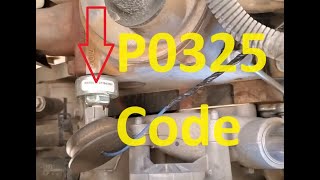
- Common symptoms of failure include a Check Engine Light (P0325/P0330), reduced engine power, and poor fuel economy.
Is Your Charger Suddenly Sluggish or Throwing a Code?
A failing knock sensor can be the culprit behind a sudden drop in your Charger's performance. Because this sensor is critical for engine protection, the vehicle's computer will play it safe when the sensor fails. It will default to a 'safe' mode with reduced ignition timing, which leads to sluggish acceleration and poor fuel economy. The most common sign, however, is a Check Engine Light on your dashboard.
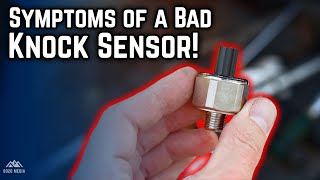
Symptoms of a Bad Knock Sensor
If a knock sensor is failing, you might notice one or more of these issues:
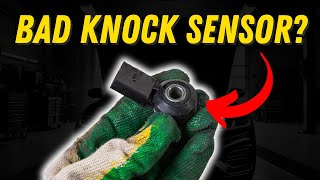
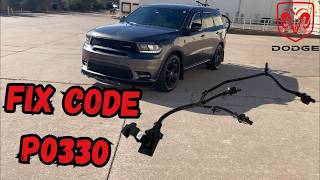
🎬 Watch: 5 symptoms of a bad knock sensor and repair costs- Check Engine Light: The most common symptom, often with codes P0325 (Bank 1) or P0330 (Bank 2). 🎬 Learn how to diagnose and fix a P0330 knock sensor code
- Reduced Engine Power: Your Charger will feel noticeably slower and less responsive.
- Worse Fuel Economy: The engine will run less efficiently, causing you to fill up more often.
- Engine Pinging or Knocking Noise: You might hear a metallic pinging sound during acceleration, especially if the sensor fails to detect detonation.
A Labor-Intensive Repair
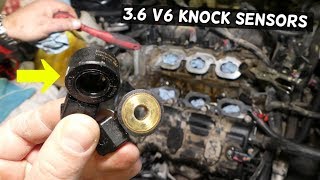
On all 2019-2023 Dodge Charger engines (3.6L V6, 5.7L V8, 6.4L V8), the two knock sensors are located in the valley of the engine, underneath the entire intake manifold. This means replacing them is not a quick job. The intake manifold must be removed, which takes several hours and requires replacing the intake gaskets as well. 🎬 See this step-by-step Pentastar V6 knock sensor replacement walkthrough Because the labor cost is high, this is not a job you want to do twice.
Choosing the Right Aftermarket Knock Sensor
Given the difficult replacement process, part quality is extremely important. Saving a few dollars on a cheap sensor can lead to another failure, forcing you to pay for the same expensive labor all over again. Here’s a breakdown of aftermarket brand quality to help you choose wisely.
| Brand Tier | Brands | Why Choose? |
|---|---|---|
| OEM-Equivalent / Premium Aftermarket | NGK (NTK), Delphi, Standard Ignition | These brands are often original equipment suppliers or have a strong reputation for producing high-quality sensors that meet or exceed OEM specifications. They are the safest bet for a long-lasting repair, which is critical given the high labor cost. |
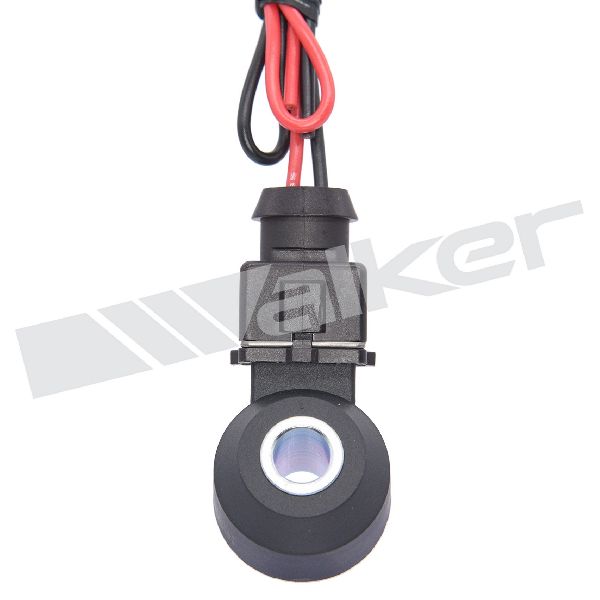
| Reputable Aftermarket | Beck Arnley, Holstein, Walker Products | These brands are established in the aftermarket and generally offer good quality parts. They can be a solid choice if premium brands are not available, but check for reviews specific to Mopar vehicles if possible. |
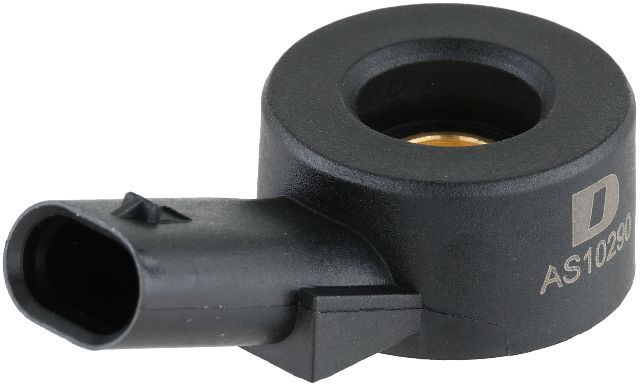
| Value / Economy | Dorman, Global Parts, Motorad | While attractively priced, brands in this tier can have mixed reviews regarding longevity and reliability for sensitive electronics like knock sensors. The risk of premature failure may outweigh the initial cost savings, especially for a part that requires extensive labor to access. |
Pro Tip: Replace in Pairs and Add Gaskets
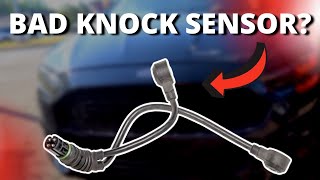
Your Charger has two knock sensors. Since you have to remove the intake manifold to get to them, you should always replace both at the same time. It is also mandatory to replace the intake manifold gaskets to prevent vacuum leaks. Consider replacing the sensor wiring harness if it looks brittle or damaged.
Frequently Asked Questions (FAQ)
How many knock sensors does my 2019-2023 Charger have?
All V6 and V8 engine options for the 2019-2023 Dodge Charger are equipped with two knock sensors.
Where are the knock sensors located on my Charger?
Both knock sensors are located on the engine block in the valley between the cylinder heads, underneath the plastic intake manifold. This location requires removing the manifold for access.
What happens if I ignore a bad knock sensor?
Your engine's computer will retard the timing to prevent damage, resulting in poor performance and fuel economy. More seriously, if the sensor fails to detect real engine knock, you risk causing severe internal engine damage over time, which can lead to catastrophic failure.
Are there any recalls for the knock sensor on my Charger?
As of early 2026, there are no specific recalls from the NHTSA for ignition knock sensors on the 2019-2023 Dodge Charger. Always check for the most current information using your vehicle's VIN.
Helpful Videos
Technical Specifications
OEM Part Numbers: 5033316AB 68313570AA 68166540AA
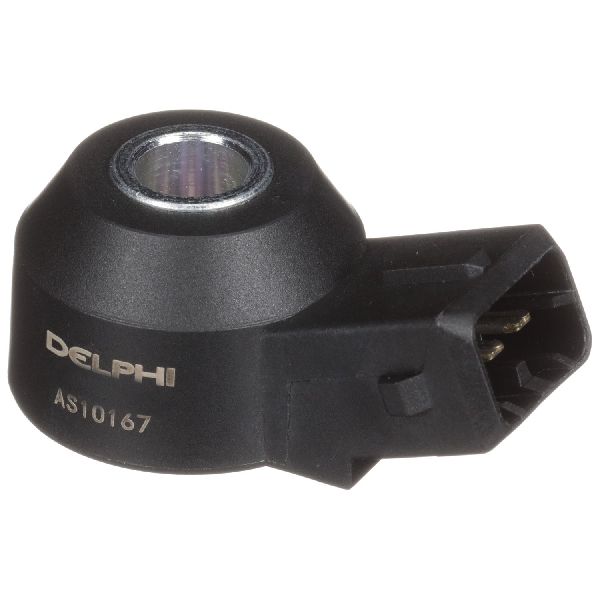
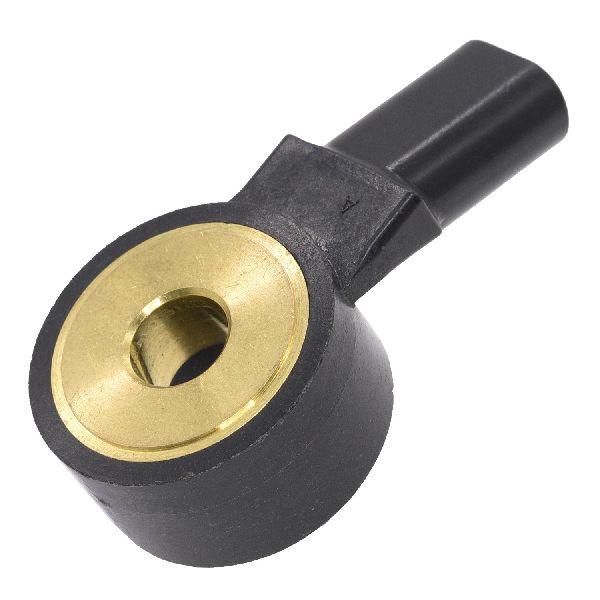
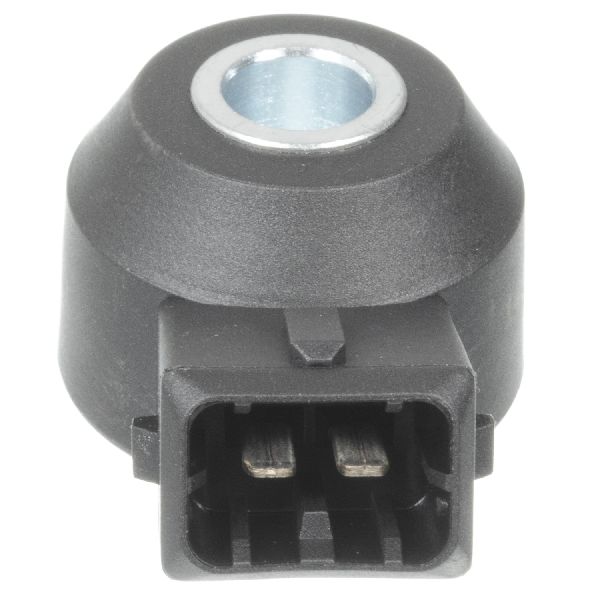
Most 2019-2023 Dodge Charger models (V6 and V8) use two bolt-on knock sensors located in the engine valley. They are piezoelectric sensors that generate a voltage signal in response to engine block vibrations. Torque specification during installation is critical for proper function.
We Have This Part in Stock


The information in this article is provided for general reference and educational purposes only. Vehicle specifications, procedures, and part compatibility can vary by production date, trim level, and region. Always consult your vehicle's factory service manual and verify part numbers before purchasing or performing repairs. Safety-critical components such as airbags, seat belts, and braking systems should be installed by a qualified professional.
- Dodge Charger: