

Ford Ranger Engine Mounts: A Guide for the 2019-2023 Generation
Feeling a new vibration or hearing a clunk from your 2019-2023 Ford Ranger? It might be time to check your engine mounts.
- A common shudder during acceleration is likely a TSB issue, not a bad engine mount.
- Bad mounts are indicated by clunking noises and excessive vibration at idle.
- Budget aftermarket mounts like Anchor have a poor reputation for quality and are not recommended for the Ranger.
- Replacing a bad mount quickly is important to avoid damage to other parts like hoses and the transmission.
Symptoms of a Bad Engine Mount
Engine mounts are designed to last a long time, typically 5-7 years, but driving habits and conditions can cause them to wear out sooner. For the 2019-2023 Ranger, failures aren't widespread, but they can happen. One owner of a 2019 model with 58,000 miles reported a bad mount that caused significant engine movement. Look out for these signs:
- Increased Vibrations: If you feel a new or stronger vibration through the steering wheel, floor, or seats, especially when idling, it could be a sign. While the 4-cylinder engine has some natural vibration, a failing mount won't be able to absorb it properly.
- Loud Noises: A clunking, banging, or thudding sound when you accelerate, shift gears (from Park to Drive, for example), or brake hard is a major red flag. This noise is often caused by the engine shifting and hitting other components because the mount is no longer holding it securely.
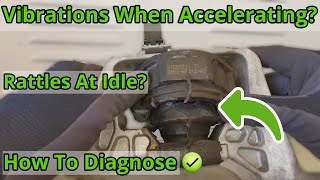
- Engine Movement: If you have a helper, you can check for this. 🎬 Watch: How to confirm engine mount failure with easy DIY checks. With the hood open and the parking brake on, have them shift the truck from Drive to Reverse with their foot on the brake. If the engine visibly jumps or rocks excessively, a mount has likely failed.
A Note on Ranger Vibrations & Shudders
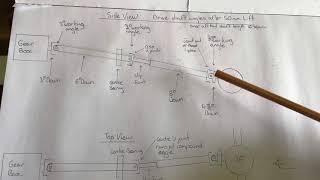
Many 2019-2023 Ranger owners have reported a shudder or vibration when accelerating from a stop. This is a known issue often related to the driveshaft or rear axle pinion angle, not the engine mounts. 🎬 Watch: How to fix the common Ranger drive shaft vibration issue. Ford has issued a Technical Service Bulletin (TSB) for this problem. If you're only experiencing a shudder on acceleration without any clunking noises or excessive engine movement, it's likely the TSB issue, not a bad engine mount.
Choosing the Right Aftermarket Part: OEM vs. Aftermarket
When replacing an engine mount, you have a choice between original Ford parts (OEM) and aftermarket brands. For this specific part on your Ranger, the choice has significant consequences for quality and performance.
- OEM (Original Equipment Manufacturer): This is the same part your truck was built with. It offers guaranteed fit, and the rubber is designed specifically to handle the Ranger's engine vibrations. The cost is higher, but it's the safest bet for a smooth, quiet ride and long-term reliability.
- Aftermarket (Anchor Brand): Aftermarket parts can save you money upfront. However, for a part like an engine mount, quality varies wildly. The Anchor brand is a budget-friendly option, but owner reviews across many vehicles are overwhelmingly negative. Common complaints include hard rubber that actually increases cabin vibration, poor fitment requiring modifications to install, and very short lifespans, with failures reported in as little as a few thousand miles.
Mechanic's Recommendation
For a part that so directly impacts your truck's smoothness and prevents damage, sticking with an OEM mount is highly recommended for the Ford Ranger. The small upfront savings from a budget aftermarket mount like Anchor are often not worth the risk of increased vibration, difficult installation, and the high probability of having to replace the part again much sooner.
Replacement Cost
The cost to replace an engine mount depends on the part price and labor. Your Ranger has a left and a right engine mount, which are different parts. Labor can take 1.5 to 2.5 hours per mount.
| Item | Estimated Cost |
|---|---|
| New OEM Part (Each) | $120 - $180 |
| New Aftermarket Part (Each) | $86 - $94 |
| Used OEM Part (Each) | $50 - $95 |
| Shop Labor (Per Mount) | $150 - $300 |
| Total OEM Replacement (1 Mount) | $270 - $480 |
| Total Aftermarket Replacement (1 Mount) | $236 - $394 |
Frequently Asked Questions (FAQ)
Can I drive with a bad engine mount?
You can, but it's not recommended for long. A completely failed mount allows the engine to move excessively, which can damage hoses, wiring, and even the transmission or exhaust system, leading to much more expensive repairs.
Is the vibration in my truck a bad engine mount?
It depends. If it's a shudder only when accelerating from a stop, it's likely the known TSB issue for the driveshaft angle. If you also have clunking noises or feel heavy vibration at idle, then you should inspect your engine mounts.
Are cheap aftermarket engine mounts worth it for the Ranger?
Based on extensive owner feedback, budget brands like Anchor are not recommended for this part. While cheap, they often lead to more vibration than the old part you're replacing and can fail very quickly. For this component, OEM is the more reliable choice.
Can I replace the engine mounts myself?
This is a job for an experienced DIY mechanic. It requires safely lifting and supporting the engine with a jack and a block of wood, working in tight spaces, and having the correct tools to torque the bolts. 🎬 See this step-by-step guide on how to replace Ranger engine mounts. For most people, having a professional shop do the work is the safer option.
Helpful Videos
Technical Specifications
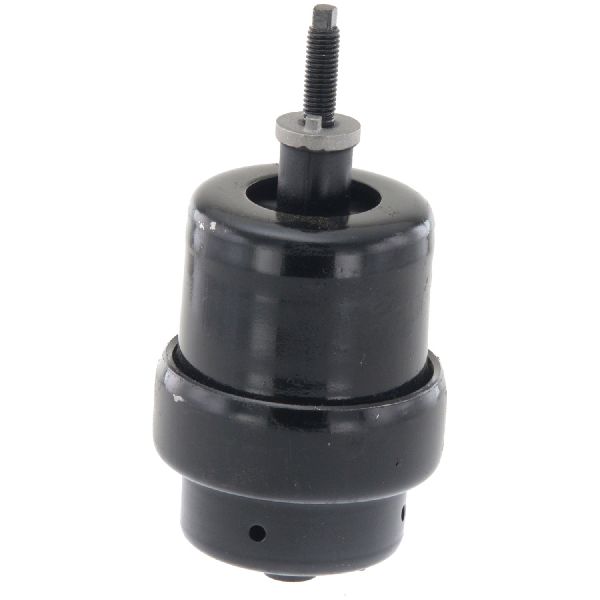
OEM Part Numbers: KB3Z-6038-K KB3Z-6038-F KB3Z-6038-B KB3Z-6038-J
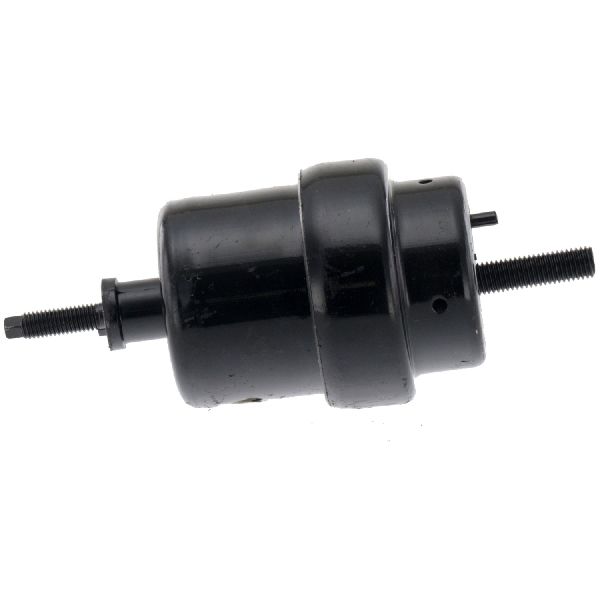
The 2019-2023 Ford Ranger uses two primary engine mounts, a left and a right side, which are not interchangeable. There are also different part numbers for 2WD and 4WD models. These are typically hydraulic or solid rubber mounts designed to support the 2.3L EcoBoost engine.
We Have This Part in Stock

The information in this article is provided for general reference and educational purposes only. Vehicle specifications, procedures, and part compatibility can vary by production date, trim level, and region. Always consult your vehicle's factory service manual and verify part numbers before purchasing or performing repairs. Safety-critical components such as airbags, seat belts, and braking systems should be installed by a qualified professional.
- Ford Ranger: