

Ford Transit Connect Engine Coolant Thermostat Guide for 2019-2023 Models
Is your van's temperature gauge acting strange? Your engine coolant thermostat might be the problem.
- Check for recall 20S60 if you have a 2019-2020 model with the 2.5L engine; it's a free and critical software update.
- A stuck-open thermostat is the most common failure, leading to a cool-running engine and a P0128 check engine light code.
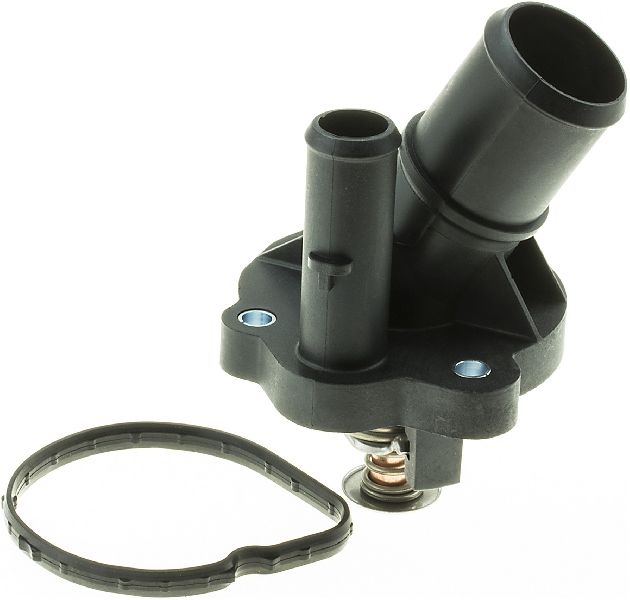
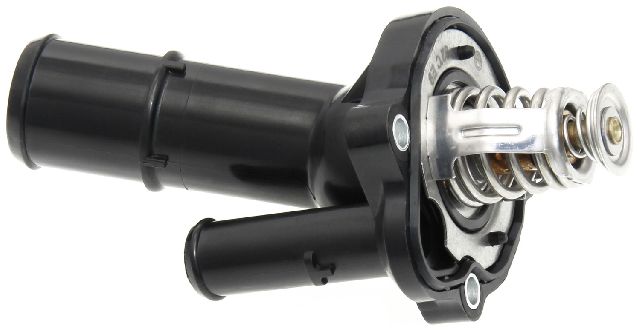
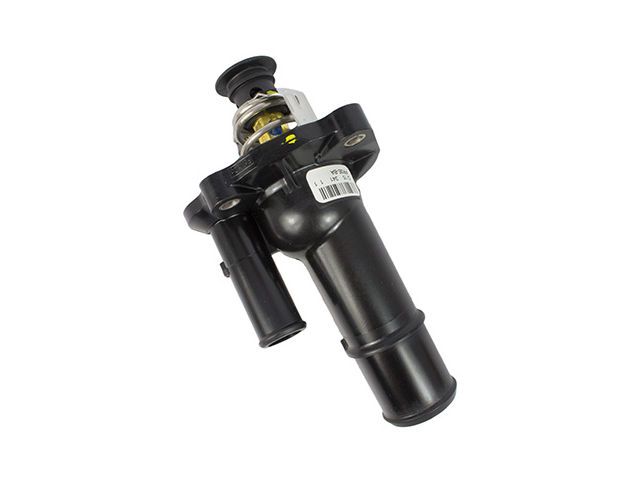
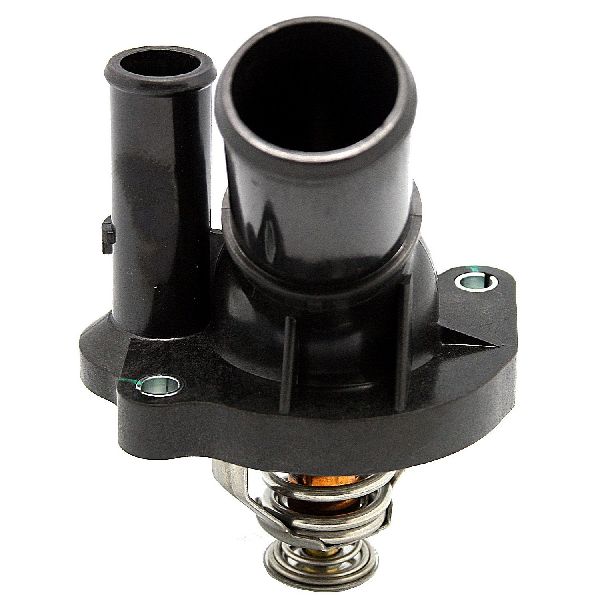
- Always replace the thermostat as a complete assembly, including the plastic housing, to prevent future leaks.
- For reliable daily use, choose an OEM (Motorcraft) or reputable OEM-quality aftermarket brand like Gates or Calorstat.
Symptoms of a Failing Thermostat
A thermostat can fail in two ways: stuck open or stuck closed. Each has its own set of symptoms.
- Engine Overheating: If the thermostat is stuck closed, it traps coolant in the engine. The temperature gauge will climb into the red, and you may see a warning light. This is a serious problem that can cause major engine damage.
- Engine Not Warming Up: A thermostat stuck open allows coolant to circulate constantly. Your engine will take a very long time to warm up, or it may never reach its normal operating temperature, especially on the highway. This often triggers the Check Engine Light with code P0128.
- Poor Heater Performance: If your engine can't get hot, your cabin heater won't have enough heat to work properly. You'll notice weak or lukewarm air coming from the vents, even when the heat is on full blast.
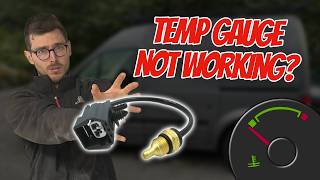
- Temperature Gauge Fluctuations: 🎬 Watch: How to fix a Transit Connect temperature gauge that isn't working. You might see the temperature needle swing from cool to normal unpredictably as the thermostat struggles to work correctly.
Important Recall Information: 2019-2020 2.5L Engines
Ford issued recall 20S60 (NHTSA ID: 20V636000) for some 2019-2020 Transit Connect vans with the 2.5L engine. This is a software problem, not a faulty part. The engine's computer might not activate the fail-safe cooling mode correctly if coolant is lost, which can lead to severe overheating and increase fire risk. A Ford dealer can perform a free software update to fix this. You should verify if your vehicle is affected.
Choosing the Right Aftermarket Thermostat
When replacing your thermostat, you can choose between the original equipment (OEM) part from Motorcraft or an aftermarket part from brands like Gates, Calorstat, or Mishimoto. For a daily-driven work van, sticking close to OEM specifications is usually the best choice.
- OEM (Motorcraft): This is the part your van was built with. It guarantees a perfect fit and performance that matches the original design. Motorcraft parts are the benchmark for quality.
- OEM-Quality Aftermarket (Gates, Calorstat): Brands like Gates and Calorstat are well-respected and often supply parts directly to car manufacturers. They provide a reliable, cost-effective alternative to the dealer part without sacrificing quality.
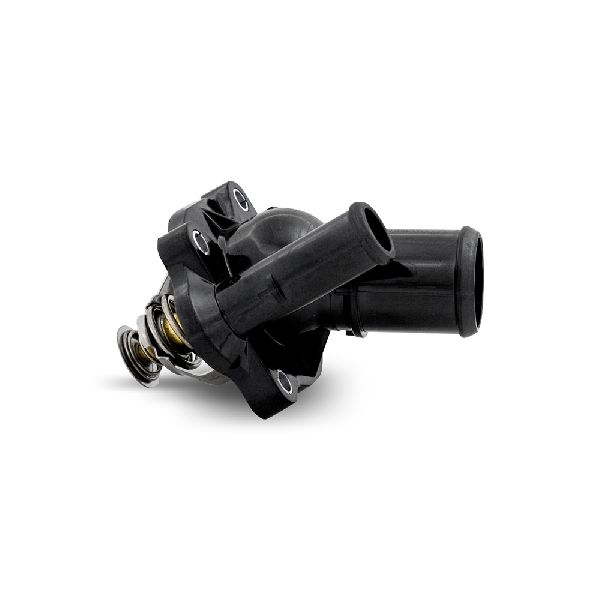
- Performance Aftermarket (Mishimoto): Mishimoto makes a "racing" thermostat for the Transit Connect that opens at a lower temperature. While this can help in high-performance or very hot climates, it can also prevent the engine from reaching its ideal operating temperature in normal or cold conditions. This can hurt fuel economy and trigger a P0128 code, so it's not recommended for most users.
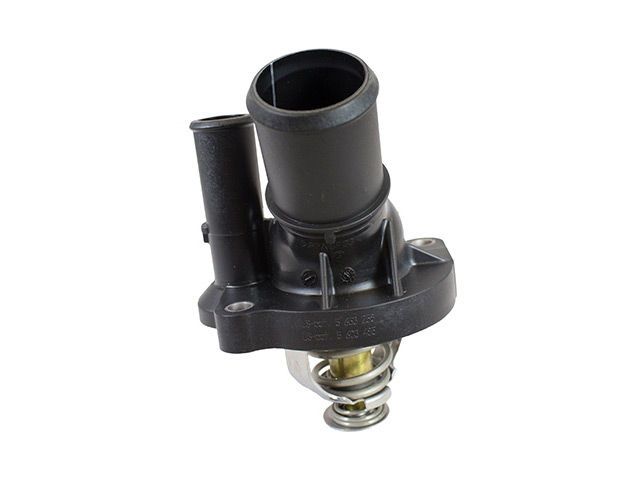
Pro Tip: Most thermostats for the Transit Connect are sold as a complete assembly with the plastic housing. It is highly recommended to replace the entire unit, as the old plastic housing can become brittle and crack over time.
Estimated Replacement Cost
The cost to replace the thermostat depends on the part you choose and who does the work. Labor rates at an independent shop typically range from $100 to $200 per hour.
| Item | Estimated Cost |
|---|---|
| OEM (Motorcraft) Part | $55 - $110 |
| Aftermarket Part | $45 - $95 |
| Shop Labor | $200 - $400 |
| Total Estimated Cost (Shop) | $245 - $495 |
Frequently Asked Questions
What does the P0128 code mean? 🎬 Watch: Two quick DIY methods to fix a P0128 code.
The P0128 code means "Coolant Temperature Below Thermostat Regulating Temperature." Your van's computer has detected that the engine is not warming up as quickly as it should. The most common cause is a thermostat that is stuck open.
Can I just replace the thermostat and not the housing?
While technically possible on some designs, it is not recommended. The part is almost always sold as a complete assembly with the housing and seals. The plastic housing is exposed to many heat cycles and can become brittle, leading to future leaks if you reuse it. Replacing the whole assembly is the safest repair.
Is a racing thermostat a good upgrade?
For most Transit Connect owners, no. A racing thermostat opens earlier to keep the engine cooler, which is useful for modified, high-power engines. For a stock engine, this can lead to poor fuel economy, incomplete engine warm-up, and check engine lights. It's best to use a thermostat with the OEM-specified temperature rating.
Do I need to replace my coolant when I replace the thermostat?
You will lose some coolant during the replacement, so you will need to top it off. This is also a perfect time to perform a full cooling system flush and fill if the coolant is old or dirty. Always use the correct type of coolant specified for your Ford Transit Connect.
Helpful Videos
![How to Fix FORD P0128 Engine Code in 3 Minutes [2 DIY Methods / Only $7.34]](https://img.youtube.com/vi/nUD6fDJpoV4/mqdefault.jpg)
Technical Specifications
OEM Part Numbers: FR3Z-8575-A 3M4Z-8575-B BM5Z-8592-C
Most thermostats for the 2019-2023 Ford Transit Connect are sold as a complete assembly including the thermostat, seal, and plastic housing. The standard OEM activation temperature is approximately 180°F (82°C).
We Have This Part in Stock

The information in this article is provided for general reference and educational purposes only. Vehicle specifications, procedures, and part compatibility can vary by production date, trim level, and region. Always consult your vehicle's factory service manual and verify part numbers before purchasing or performing repairs. Safety-critical components such as airbags, seat belts, and braking systems should be installed by a qualified professional.
- Ford Transit Connect: