

Honda Accord Radiator: A Guide for 2019-2023 Models
Everything you need to know about keeping your Accord's engine cool and choosing the right replacement radiator.
- The 2019-2023 Accord has no major recalls for the radiator, indicating good OEM reliability.
- Always use Honda's Type 2 blue coolant to protect the cooling system.
- Quality aftermarket brands like CSF, Nissens, and Spectra offer a reliable and cost-effective alternative to expensive OEM parts.
- An overheating engine is a critical warning; pull over immediately to avoid severe engine damage.
Is Your Accord's Radiator Failing?

The radiator in the 2019-2023 Honda Accord is generally reliable. There are no widespread recalls or technical service bulletins (TSBs) for radiator failure. However, like any part, it can fail over time. Problems usually come from small leaks that develop due to age, road debris, or damage to the plastic tanks on the sides.
Key Symptoms of a Bad Radiator
- Engine Overheating: The most serious sign. If your temperature gauge is in the red or you get an overheating warning, pull over safely and turn off the engine immediately.
- Visible Coolant Leaks: You might see puddles of bright blue or green liquid 🎬 Watch: How to perform a professional coolant leak test. under the front of your car. Honda uses a specific blue coolant.
- Low Coolant Light: A warning light on your dashboard may indicate the coolant level is low, which could be caused by a leak.
- Sweet Smell: Leaking coolant has a distinct sweet smell. You may notice it inside or outside the car when the engine is warm.
- Damaged Fins: Look through your grille. If many of the radiator's thin metal fins are bent or damaged, it can't cool as effectively.
10th Gen vs. 11th Gen Accord

It is very important to know which Honda Accord you own. The radiator parts are different and cannot be used on the wrong generation.
- 2019-2022 Honda Accord: This is the 10th Generation.
- 2023 Honda Accord: This is the 11th Generation.
When buying a new radiator, make sure it is listed as a correct fit for your specific year and engine type (1.5T, 2.0T, or Hybrid).
Choosing the Right Aftermarket Radiator

When your radiator needs to be replaced, you have a choice between an expensive Original Equipment Manufacturer (OEM) part from Honda and a more affordable aftermarket part. For the Accord, quality aftermarket brands offer excellent value without sacrificing reliability.
Here’s a breakdown of the available brands:
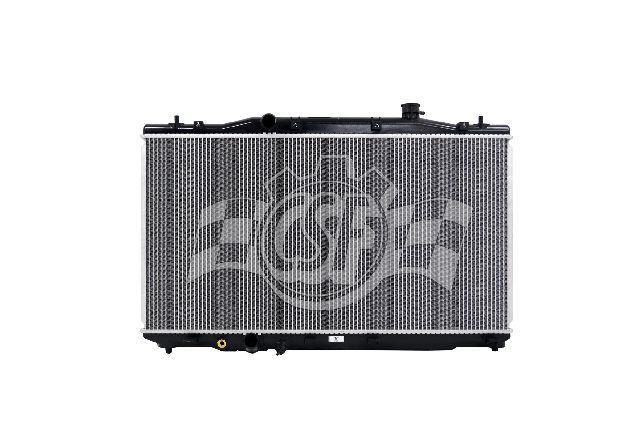
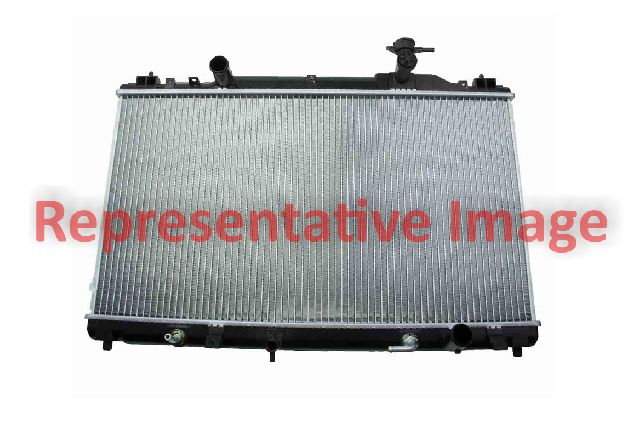
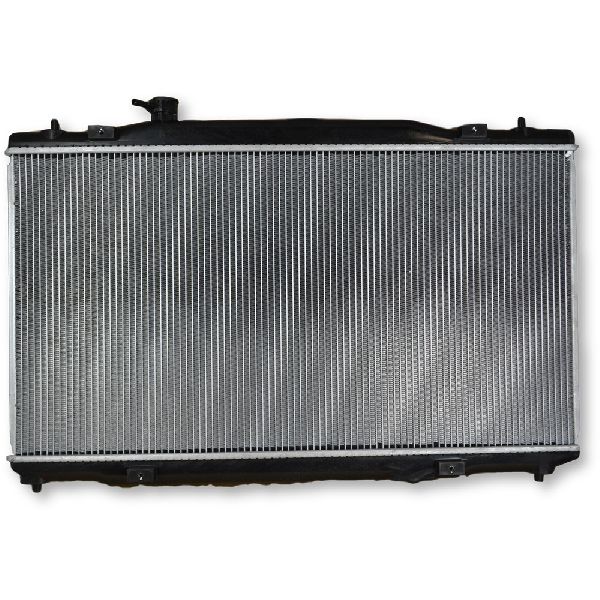
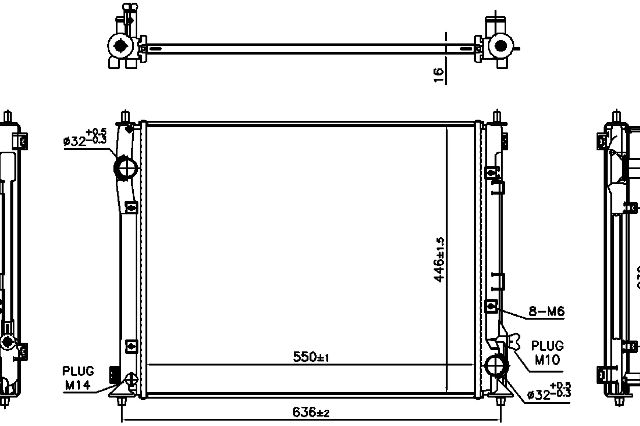
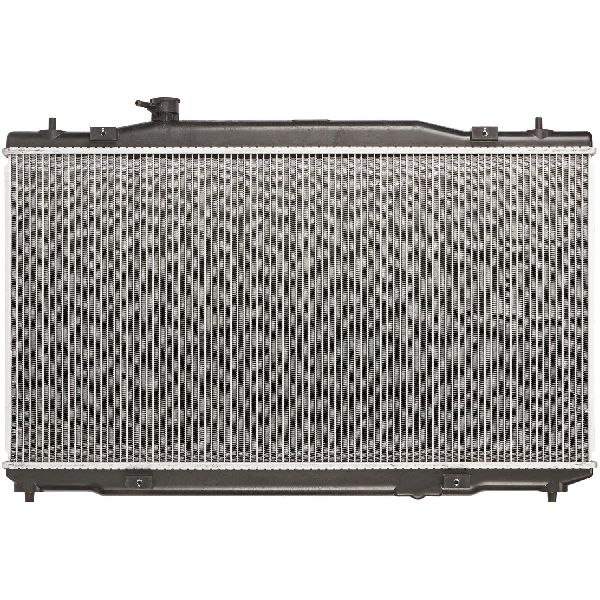
- CSF Radiator: CSF is a well-respected brand known for making high-quality parts that often meet or exceed OEM specifications. They are considered a premium aftermarket choice and are known for their durability and precise fit.
- Nissens: Like CSF, Nissens is a top-tier brand that is also an OEM supplier for many car manufacturers. Choosing a Nissens radiator means you are getting a part with a reputation for excellent quality and long life.
- Spectra Premium: Spectra is one of the most common and trusted aftermarket brands. They are known for making reliable, direct-fit radiators that perform just like the original. This is a solid, mid-tier choice for most Accord owners.
- Global Parts: This brand typically falls into the economy category. It offers a budget-friendly solution to get your car back on the road, but may not have the same long-term durability or warranty as the premium brands.
Cost of Replacing a Honda Accord Radiator

The total cost depends on whether you do the work yourself or hire a professional shop. Labor costs for this job are typically higher than the part itself.
| Item | Estimated Cost |
|---|---|
| New Aftermarket Radiator | $144 - $292 |
| New OEM Honda Radiator | $275 - $410 |
| Shop Labor | $250 - $400 |
| Total Professional Replacement (Aftermarket Part) | $394 - $692 |
| Total Professional Replacement (OEM Part) | $525 - $810 |
Frequently Asked Questions
Is it safe to drive my Accord with a radiator leak?
No. A small leak can quickly become a big one, causing your engine to overheat. Overheating can lead to a blown head gasket or a completely ruined engine, which are very expensive repairs. It is best to stop driving the car and get it fixed.
What kind of coolant should I use in my 2019-2023 Accord?
You must use Honda Long Life Antifreeze/Coolant Type 2. This is a specific blue coolant designed for Honda's aluminum engines. Using the wrong type of coolant can cause corrosion and damage to the cooling system.
🎬 Watch: How to properly flush and maintain your cooling system.Can I replace the radiator myself?
If you have experience with car repairs, the right tools, and a safe place to work, you can replace the radiator yourself. The process involves draining the coolant, disconnecting hoses and fans, removing the old radiator, and installing the new one. Afterward, you must properly refill and bleed the air out of the cooling system. For most people, this job is best left to a professional mechanic.
🎬 See this step-by-step walkthrough of the radiator replacement process.My A/C stopped working, is it related to the radiator?
Possibly, but not directly. The A/C condenser sits in front of the radiator. It is common for the condenser to get damaged by rocks, causing refrigerant to leak out. While they are separate systems, a mechanic will need to work around the condenser to replace the radiator. If your A/C is also not working, have a mechanic inspect both components.
Helpful Videos

Technical Specifications
OEM Part Numbers: 19010-6A0-A01
Fits 2019-2022 Honda Accord with 1.5L Turbo engine. Radiators are specific to generation (10th/11th) and engine type. Always verify fitment before purchasing.
We Have This Part in Stock


The information in this article is provided for general reference and educational purposes only. Vehicle specifications, procedures, and part compatibility can vary by production date, trim level, and region. Always consult your vehicle's factory service manual and verify part numbers before purchasing or performing repairs. Safety-critical components such as airbags, seat belts, and braking systems should be installed by a qualified professional.
- Honda Accord: