

Engine Coolant Temperature Sensor for the 2019-2023 Toyota Prius
A failing coolant temperature sensor can cause poor fuel economy and engine issues in your Prius.
- A bad ECT sensor directly impacts your Prius's fuel economy and engine performance.
- Common signs of failure include a check engine light (P0117, P0128) and reduced MPG.
- Denso is the original equipment supplier, making it a top-tier choice for an aftermarket replacement.
- Replacement is a relatively simple and inexpensive DIY task that can be completed in under an hour.
Symptoms of a Failing Coolant Temperature Sensor in a Prius
A bad engine coolant temperature sensor can make your 2019-2023 Prius run poorly. Because it plays a key role in how the hybrid system and gasoline engine work together, a faulty sensor can cause several noticeable problems. You should get the issue checked out to avoid poor performance and reduced fuel mileage.
Common Failure Symptoms
- Check Engine Light: This is often the first sign. The computer will store a trouble code, like P0117, P0118, or P0128.
- Poor Fuel Economy: If the sensor tells the computer the engine is always cold, the system will use more fuel than necessary, hurting your MPG.
- Rough Idling: The engine may run rough or shake, especially when it should be warm.
- Engine Overheating or Running Too Cool: The sensor can fail in a way that causes the radiator fans to not turn on when needed, leading to overheating. Or, it might tell the computer the engine is hot when it's not, affecting performance.
- Black Smoke from Exhaust: An overly rich fuel mixture, caused by a bad sensor reading, can result in black smoke from the tailpipe.
Choosing the Right Aftermarket Sensor
When replacing the ECT sensor on your Prius, you have options ranging from OEM-equivalent parts to more budget-friendly choices. For a critical sensor like this, quality and accuracy are important.
Brand Quality Tiers
Not all aftermarket brands are the same. Here’s a breakdown of the brands available to help you choose.
- Tier 1: OEM / Premium Aftermarket
These brands are either the original equipment manufacturer or have a reputation for equivalent quality. They are the safest bet for fit and long-term reliability.
Brands: Denso, NGK.
Pro Tip: Denso is a world-leading OEM supplier for Toyota, so a Denso-branded sensor is often identical to the part you'd get from a Toyota dealer, just in a different box. - Tier 2: Trusted Aftermarket
These are well-known companies with a long history of making reliable replacement parts. They offer a good balance of quality and price.
Brands: Delphi, Standard Ignition (SMP), Beck Arnley.
Note on Beck Arnley: Beck Arnley often sources parts from various manufacturers, including original equipment suppliers. While quality is generally good, it can sometimes be inconsistent. - Tier 3: Economy Options
These brands focus on providing the most affordable parts. They can be a good choice for budget-conscious repairs, but may not have the same longevity or precise calibration as higher-tier brands.
Brands: Walker Products, Motorad, Facet, Holstein, Global Parts, URO Parts.
A Word on URO Parts: Forum discussions often describe URO Parts as a budget-friendly option. While some users have success with them for non-critical components, others report early failures or fitment issues, especially for critical systems like cooling.
Estimated Costs for Replacement
The cost to replace the ECT sensor is relatively low. The part itself is inexpensive, and the labor is straightforward for a mechanic or an experienced DIYer.
| Part Type | Estimated Cost |
|---|---|
| New Aftermarket Part | $13.46 - $85.38 |
| New OEM Part (Toyota) | $45 - $90 |
| Shop Labor | $60 - $120 |
Frequently Asked Questions
Where is the engine coolant temperature sensor located on a 2019-2023 Toyota Prius?
On the 4th generation Prius, the engine coolant temperature sensor is typically located on the engine block or cylinder head, near the thermostat housing, on the driver's side of the engine bay. It is a small sensor with a wire connector attached.
Can I replace the coolant temperature sensor myself?
Yes, this is a feasible DIY job for many home mechanics. It requires basic tools, including a deep socket (typically 19mm). You will need to access the sensor, disconnect the electrical connector, and unscrew the old sensor. A small amount of coolant will leak out, so be prepared to top it off afterward. The entire job can often be done in under an hour.
What happens if I don't replace a bad coolant temperature sensor?
Ignoring a faulty ECT sensor can lead to persistent problems. You will likely experience poor fuel economy, failed emissions tests, and rough engine performance. In a worst-case scenario, it could contribute to the engine overheating, which can cause severe and expensive damage.
Are there any recalls for the coolant temperature sensor on the 2019-2023 Prius?
As of now, there are no specific recalls found for the engine coolant temperature sensor on the 2019-2023 Toyota Prius according to NHTSA searches. Always check with your local dealer or the official NHTSA website for the most current information using your vehicle's VIN.
Technical Specifications
OEM Part Numbers: 89422-35010
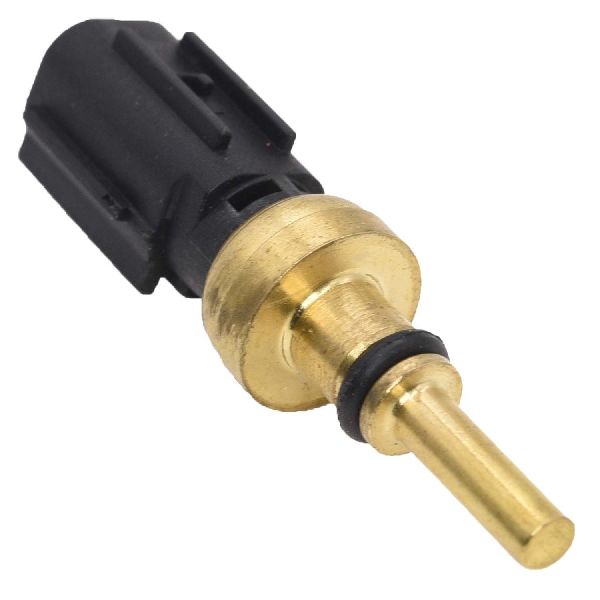
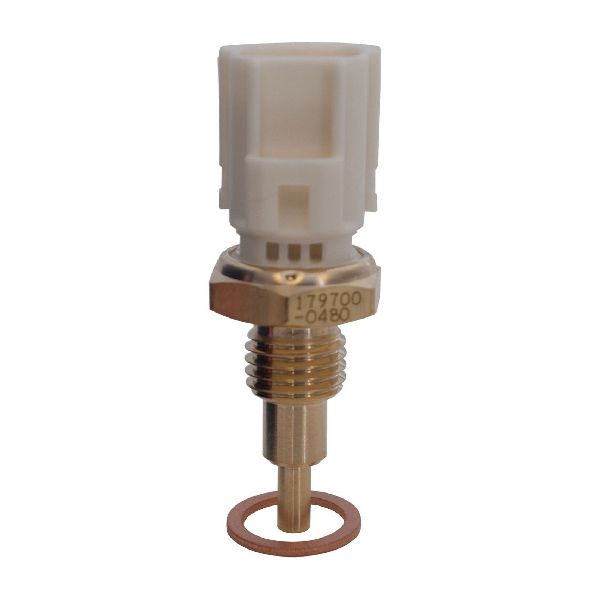
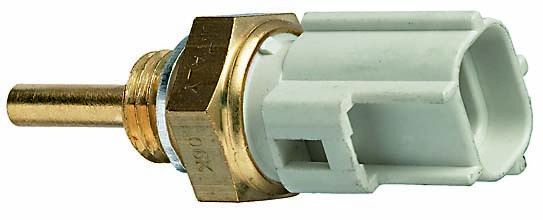
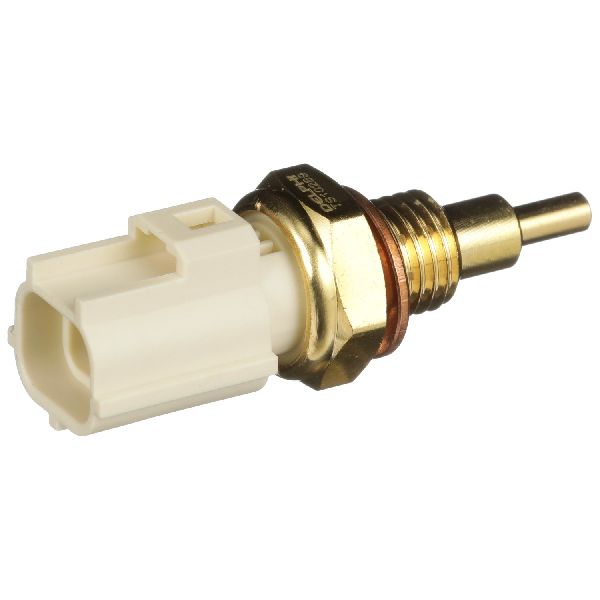
The Engine Coolant Temperature Sensor for the 2019-2023 Toyota Prius is a thermistor that screws into the engine's cooling passages. It typically has a 2-pin female connector. The OEM part number is 89422-35010.
We Have This Part in Stock


The information in this article is provided for general reference and educational purposes only. Vehicle specifications, procedures, and part compatibility can vary by production date, trim level, and region. Always consult your vehicle's factory service manual and verify part numbers before purchasing or performing repairs. Safety-critical components such as airbags, seat belts, and braking systems should be installed by a qualified professional.
- Toyota Prius: