

A Guide to Aftermarket Disc Brake Pads for the 2019-2024 Audi S5
Tired of constant brake dust on your wheels? This guide is for you.
- The biggest complaint about OEM S5 pads is excessive brake dust; aftermarket ceramic pads are the most popular solution for this.
- Switching to low-dust ceramic pads (like Akebono) may result in a less aggressive initial brake bite compared to the stock pads.
- A TSB exists for premature brake wear warnings on 2018-2021 models; visually verify pad life before replacing.
- Replacing the rear pads requires an electronic tool to retract the parking brake; failure to use one will cause damage.
Is it Time for New Brake Pads?


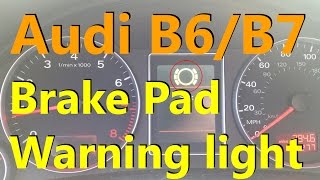
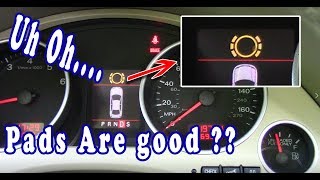
Your Audi S5 is equipped with a brake pad wear sensor that will trigger a warning light on your dashboard when the pads are low. However, you shouldn't wait for the light to come on if you notice other symptoms. Pay attention to how your brakes feel, sound, and perform.
OEM vs. Aftermarket Brake Pads
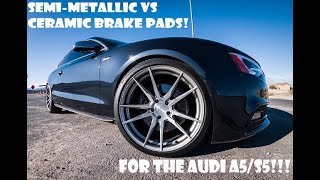
The original equipment (OEM) brake pads on the Audi S5 are typically a semi-metallic compound. They are engineered for excellent stopping power and a strong initial "bite." However, the most common complaint from S5 owners is the excessive amount of brake dust these pads produce, which can make clean wheels look dirty in just a day or two. Aftermarket pads offer a solution, but it's important to understand the trade-offs.
- OEM Pads: Excellent stopping power, but produce a lot of dust. They can also be expensive when purchased from a dealership.
- Aftermarket Ceramic Pads: The most popular alternative for S5 owners. These pads produce significantly less dust and are generally quieter. The trade-off can be a slightly less aggressive initial bite compared to the stock pads, which some drivers may perceive as a softer or less responsive pedal feel.
- Aftermarket Performance Pads: For drivers who prioritize stopping power above all else, performance-oriented semi-metallic or hybrid pads are available. These may offer even better performance than OEM pads but often come with the same, or even more, dust and potential for noise.
Known Issue: Premature Brake Wear Warning
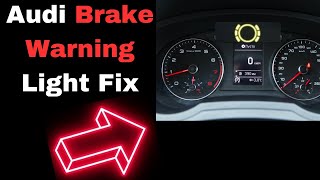
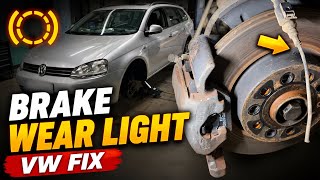
A Technical Service Bulletin (TSB 46 24 55 2061403/2) has been issued for 2018-2021 S5 models. It notes that the brake pad wear indicator light may illuminate even when the brake pads are not worn down. This is due to an improperly crimped sensor wire. 🎬 Watch: How to fix a false brake wear warning light. If you get a wear warning, it's wise to have the pad thickness visually inspected before assuming they need replacement.
Choosing the Right Aftermarket Brand

With many brands available, choosing the right one can be confusing. Here is a breakdown of popular choices among Audi S5 owners, grouped by their primary characteristics.
Tier 1: Low-Dust Ceramic (Daily Driving Focus)
- Akebono EURO Ultra-Premium: Highly recommended by S5 owners for their extremely low dust output. 🎬 See why owners choose Akebono ceramic pads for their Audi. They provide a smooth, quiet stop but may have a less aggressive initial bite than the stock pads.
- Powerstop Z23 Evolution Sport (Carbon Fiber/Ceramic): A popular and affordable option that provides a good balance of low dust and solid performance for daily driving.
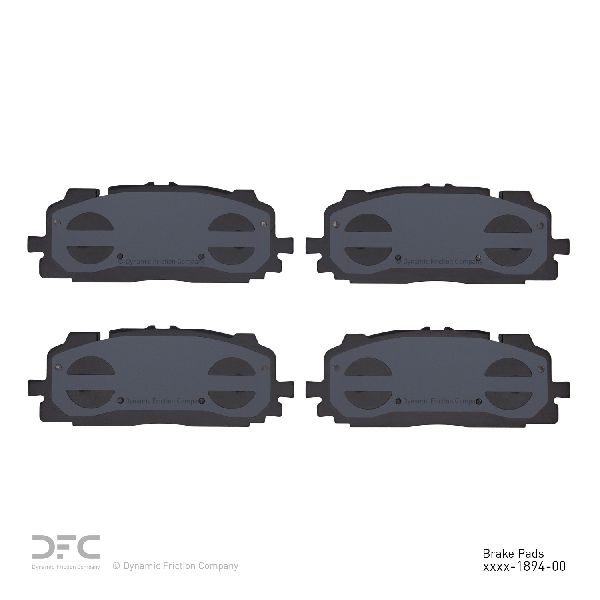
- Dynamic Friction 5000 Euro: Another ceramic option noted for low dust and quiet operation.
Tier 2: Performance-Oriented (Spirited Street Use)
- EBC Brakes Redstuff: A ceramic pad that offers a step up in performance and heat resistance over standard ceramics, while still providing a significant reduction in dust compared to OEM.
- Hawk Performance HPS 5.0: A high-performance street pad that offers superior stopping power and pedal feel, with a formulation that aims to reduce dust compared to other performance compounds.
- Brembo: As a manufacturer of high-performance brake systems, their replacement pads are a reliable choice for restoring or slightly upgrading from OEM performance.
Tier 3: OEM-Equivalent
- Textar: Often considered an OEM supplier, Textar pads will provide performance and feel very similar to the original factory pads, including the dust.
- Pagid: Another brand with strong ties to OEM manufacturing, offering similar characteristics to the stock pads.
- ATE: A well-regarded German brand that offers quality OEM-equivalent replacement parts.
A Note on Rotors and Hardware
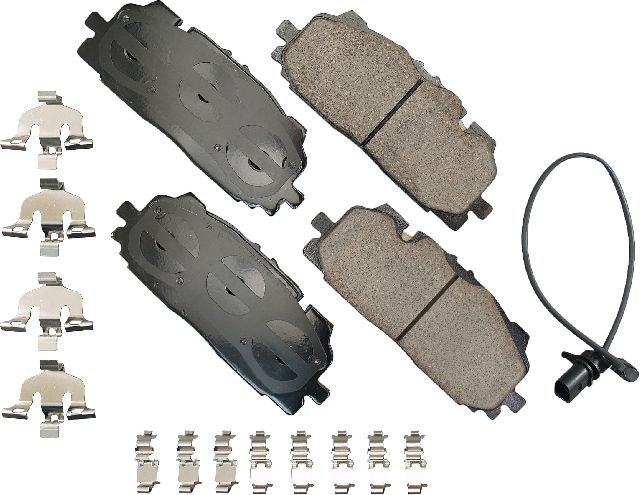
It is best practice to replace or resurface your brake rotors when installing new pads. Since the S5's high-performance rotors are often not suitable for resurfacing, most mechanics will recommend replacement. Pairing new pads with worn or grooved rotors will lead to noise, vibration, and reduced pad life. Also, always use new hardware (clips and springs) and replace the single-use brake pad wear sensor.
Cost of Replacing Audi S5 Brake Pads

| Part Type | Typical Cost (Parts Only) |
|---|---|
| New Aftermarket Pad Set (Front or Rear) | $38 - $296 |
| New OEM Pad Set (Front or Rear) | $120 - $350 |
| Shop Labor (Per Axle) | $150 - $300 |
Note: Costs are estimates and can vary based on location, brand, and the specific repair shop. Dealership prices for parts and labor will be significantly higher.
Frequently Asked Questions
Do I need special tools to change my S5's brake pads?
For the front pads, standard brake service tools are sufficient. However, for the rear brakes, you will need an electronic diagnostic tool (like VCDS or OBDEleven) to retract the electronic parking brake (EPB) into its service position. Attempting to force the rear caliper piston back without this tool will damage the EPB motor.
🎬 Watch this step-by-step guide for replacing rear brake pads.Do my rear or front brake pads wear out first?
While front brakes typically do most of the work and wear out first, it is not uncommon for S5 owners to report the rear pads wearing out before the fronts. This can be due to the car's electronic stability control and torque vectoring systems using the rear brakes to improve handling.
Do I have to replace my brake rotors with the pads?
It is highly recommended. To ensure the best performance, noise-free operation, and proper bedding-in of the new pads, you should install them on fresh, flat rotor surfaces. Given the high cost of S5 rotors, some may be tempted to skip this, but it often leads to issues like vibration or squealing down the line.
What is "bedding-in" and is it important?
Bedding-in is a process of a few controlled stops after installation that transfers a thin, even layer of friction material from the new pads onto the rotors. This is crucial for performance, preventing vibration, and ensuring a long life for your new pads. Always follow the specific bed-in procedure recommended by the brake pad manufacturer.
Helpful Videos
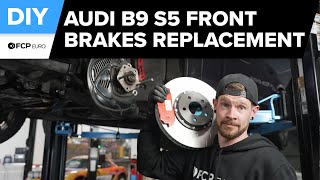
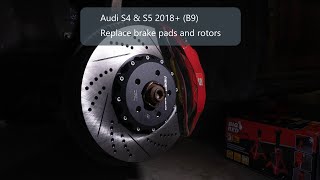

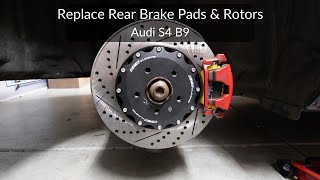
Technical Specifications
The 2019-2024 Audi S5 features multi-piston fixed front calipers and single-piston floating rear calipers with an integrated electronic parking brake. The system uses brake pad wear sensors on the front and rear axles. Aftermarket pad choices are primarily ceramic or semi-metallic compounds.
We Have This Part in Stock

The information in this article is provided for general reference and educational purposes only. Vehicle specifications, procedures, and part compatibility can vary by production date, trim level, and region. Always consult your vehicle's factory service manual and verify part numbers before purchasing or performing repairs. Safety-critical components such as airbags, seat belts, and braking systems should be installed by a qualified professional.
- Audi S5:
- 🎬 Helpful Videos
- 🛍️ Shop This Part
- Is it Time for New Brake Pads?
- OEM vs. Aftermarket Brake Pads
- Known Issue: Premature Brake Wear Warning
- Choosing the Right Aftermarket Brand
- Tier 1: Low-Dust Ceramic (Daily Driving Focus)
- Tier 2: Performance-Oriented (Spirited Street Use)
- Tier 3: OEM-Equivalent
- A Note on Rotors and Hardware
- Cost of Replacing Audi S5 Brake Pads
- Frequently Asked Questions
- 🎟️ Get 5% Off