

Guide to the 2019-2024 BMW X3 Engine Oil Cooler and Filter Housing
Fixing the common coolant and oil leaks from the failure-prone plastic oil filter housing assembly.
- The primary point of failure is the OEM plastic oil filter housing, which becomes brittle and cracks, not the metal cooler itself.
- The most common and dangerous symptom is a sudden, large coolant leak that can cause catastrophic engine damage from overheating.
- Upgrading to an all-aluminum aftermarket housing from a brand like Dorman, CSF, or Mishimoto is the recommended permanent fix.
- Replacement is a labor-intensive job (4-8 hours) that requires removing the intake manifold, making it a costly repair.
The Real Problem: A Cracking Plastic Housing

When the engine oil cooler assembly fails on a 2019-2024 BMW X3, the problem is almost always the plastic housing it's mounted to, not the metal cooler itself. This is a widely documented issue affecting both the 4-cylinder (B46) and 6-cylinder (B58) engines. Over many heat cycles, the factory-installed polycarbonate housing becomes brittle and can crack. This failure typically occurs between 60,000 and 100,000 miles, leading to significant coolant or oil leaks.
Known Issue & TSB
While there is no official recall for this cracking housing, BMW has issued Technical Service Bulletin (TSB) SI B11 10 25 for coolant leaks from this exact area on the G01 X3. This indicates the manufacturer is aware of problems with the housing's seals and components. A class-action lawsuit has also been filed concerning this premature failure.
Symptoms of a Failing Oil Cooler Housing

A failed housing can present itself in several ways, some of which require immediate attention.
- Sudden Coolant Leak: The most common symptom is a large and sudden loss of engine coolant from a crack in the housing. This can cause the engine to overheat rapidly. You may find a puddle of pink/blue fluid under your vehicle, often on the driver's side of the engine.
- Low Coolant Warning: The dashboard warning for low coolant will likely be the first sign of a leak.
- Sweet Smell: A distinct, sweet, syrupy smell of hot coolant is a strong indicator of an external leak, even if you can't see it.
- Milky Oil or Coolant: An internal crack in the housing can allow oil and coolant to mix. This will look like a creamy, milky sludge on your oil cap or in the coolant expansion tank.
- Visible Oil Leak: Leaking gaskets can also cause engine oil to drip from the housing onto components below, leaving dark spots on the ground.
Choosing the Right Aftermarket Replacement

When replacing the oil filter housing, you have a clear choice between another OEM-style plastic part and a significantly more durable all-aluminum upgrade.
Pro-Tip: Upgrade to Aluminum
Given that the original plastic design is the root of the problem, installing an upgraded, all-aluminum housing is the highly recommended permanent solution. These are designed to withstand heat and vibration far better than the factory part.
Brand Tiers
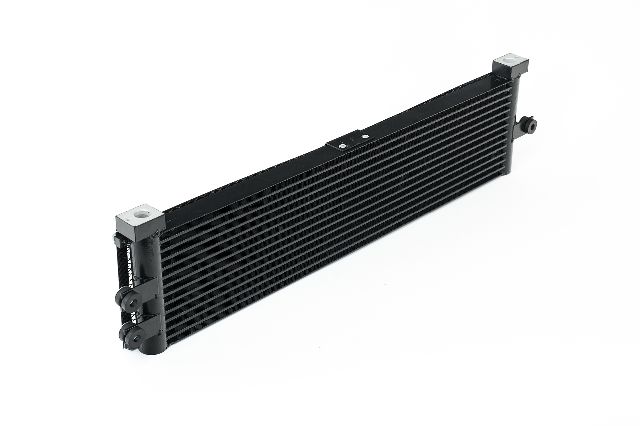
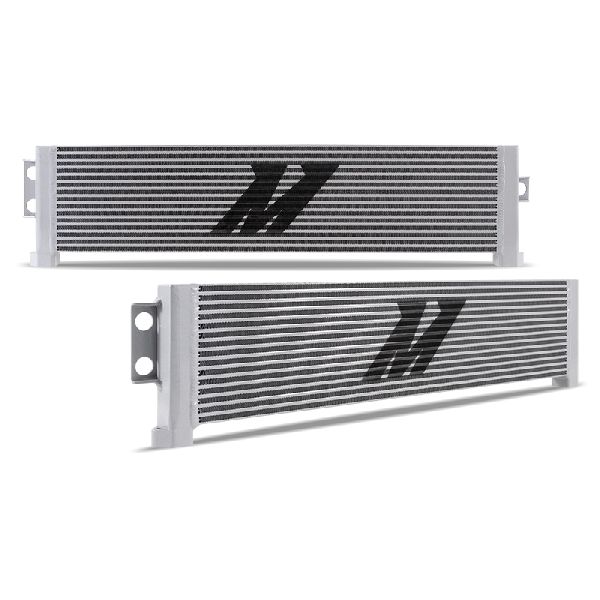
- Premium Upgrades (CSF, Mishimoto): These brands are known for high-performance cooling parts. Their aluminum oil cooler assemblies offer superior durability and sometimes improved cooling efficiency. They are an excellent choice for longevity and peace of mind.
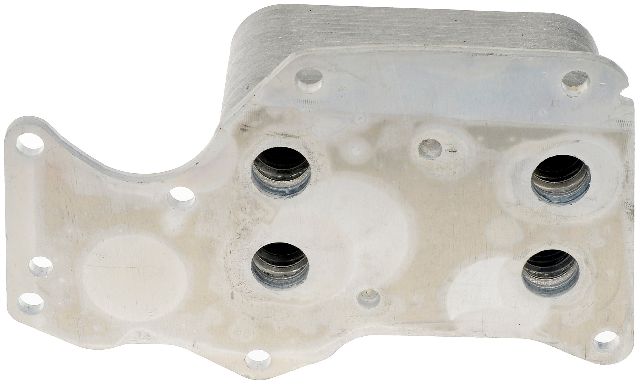
- Value Upgrade (Dorman OE FIX): Dorman offers a popular all-aluminum "OE FIX" housing specifically designed to solve the plastic cracking issue. It provides the benefit of a full metal construction at a very competitive price point, making it a smart choice for most owners.
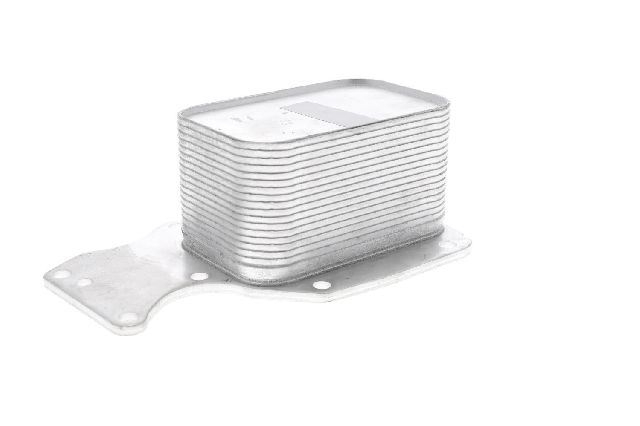
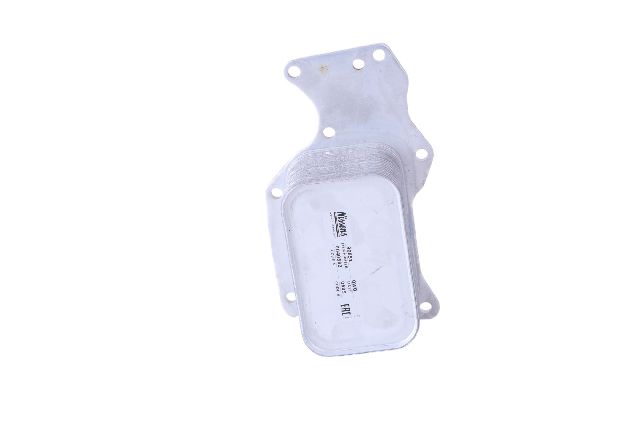
- OEM-Equivalent (Nissens, Vemo): Brands like Nissens and Vemo produce high-quality replacements that are designed to match original factory specifications. While they are reliable, verify if the housing is plastic or aluminum. If it's plastic, it could eventually suffer the same fate as the original part.
| Part Type | Estimated Part Cost |
|---|---|
| New OEM (Plastic) | $400 - $600 |
| New Aftermarket (Aluminum Upgrade) | $187 - $550 |
| Shop Labor | $1000 - $2200 |
Cost estimates are approximate and can vary by location and vehicle specifications. Labor is high because the intake manifold must be removed for access.
Frequently Asked Questions

Is it safe to drive with a leaking oil cooler housing?
No. A sudden crack can cause a rapid loss of all engine coolant, leading to severe overheating and catastrophic engine damage in minutes. If you suspect a leak, especially a coolant leak, it is critical to stop driving and have the vehicle towed for inspection.
Why not just replace the gasket?
Because the housing itself is the weak point. The plastic becomes brittle and cracks. Simply replacing a gasket on a warped or cracked housing will not fix the leak and the failure will quickly return. The entire assembly must be replaced.
Can I replace the oil cooler housing myself?
This is a complex and labor-intensive job for experienced DIYers only. It requires removing the intake manifold, draining both the oil and coolant, and carefully navigating tight spaces. The job can take anywhere from 4 to 8 hours. Most owners will want to leave this repair to a professional shop.
Is the repair different for the 4-cylinder (B46) vs. 6-cylinder (B58) engine?
The failure mode and the general repair concept are the same for both engines, as they both use a similar failure-prone plastic housing. However, specific part numbers, bolt locations, and access procedures may differ slightly. Always ensure you are purchasing the correct part for your specific engine.
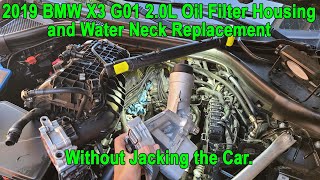
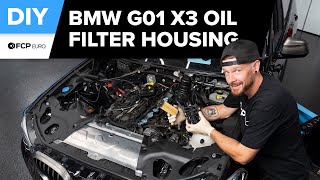
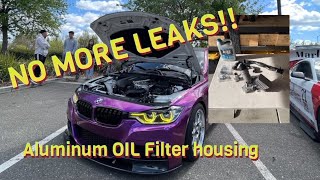
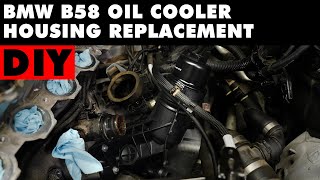
Helpful Videos
Technical Specifications
This part is an assembly that includes the engine oil cooler and the oil filter housing. The primary known issue is addressed by BMW Technical Service Bulletin (TSB) SI B11 10 25, which relates to coolant leaks from the housing. Failures are common on both B46 (2.0L I4) and B58 (3.0L I6) engines.
We Have This Part in Stock

The information in this article is provided for general reference and educational purposes only. Vehicle specifications, procedures, and part compatibility can vary by production date, trim level, and region. Always consult your vehicle's factory service manual and verify part numbers before purchasing or performing repairs. Safety-critical components such as airbags, seat belts, and braking systems should be installed by a qualified professional.
- BMW X3: