

Ford F-150 (2019-2024) Engine Camshaft Position Sensor: A Complete Guide
Understand the symptoms of a failing camshaft position sensor and how to choose the right replacement for your truck.
- A failing camshaft position sensor on an F-150 often causes a check engine light (P0340, P0345), rough idle, stalling, and poor acceleration.
- Your F-150 likely has four sensors, two per cylinder head, located on the back of the engine.
- Replacement is a manageable DIY task, with the main difficulty being access to the sensors' tight location.
- While OEM (Motorcraft) is often recommended, high-quality aftermarket brands like Delphi or Standard Ignition are reliable alternatives.
Is Your F-150's Camshaft Position Sensor Failing?

A bad camshaft position sensor can cause a range of frustrating problems, from poor performance to a no-start condition. Because this sensor is vital for engine timing, ignoring the symptoms can lead to more significant issues down the road. Recognizing the warning signs is the first step to getting your truck back to running smoothly.
Common Failure Symptoms
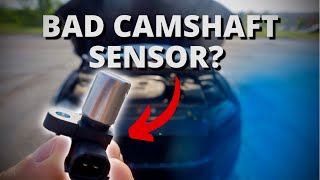
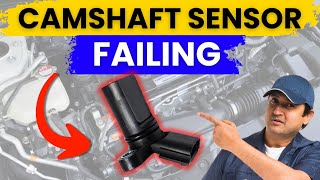
🎬 Watch this video to see common camshaft sensor failure symptoms.- Check Engine Light: This is often the first and most obvious sign. The ECM will trigger a light if it detects a problem with the sensor's signal. Common codes include P0340, P0344, P0345, and P0349.
- Rough Idle: Your truck may shake or vibrate at a stop, feeling like it wants to stall.
- Engine Stalling: The engine may cut out unexpectedly while driving or when coming to a stop.
- Difficulty Starting: The engine might take longer than usual to crank before it starts, or it may not start at all.
- Poor Acceleration: You may notice a significant loss of power, hesitation, or sluggishness when you press the gas pedal.
- Reduced Fuel Economy: When the ECM can't properly time fuel injection, your truck will burn more gas than necessary.
Choosing the Right Aftermarket Sensor

When it's time to replace a camshaft position sensor, you don't have to go back to the dealer. The aftermarket offers a wide range of options. However, quality can vary. For critical electronic parts like this, it's wise to choose a reputable brand. Some forum users and mechanics strongly recommend using the OEM Motorcraft part to avoid issues, but high-quality aftermarket brands are also a reliable choice. Be cautious of counterfeit parts, especially from online marketplaces, which can cause more problems than they solve.
Brand Quality Tiers
- Premium Aftermarket (OEM-Equivalent): Brands like Delphi, Hitachi, and Standard Ignition (SMP) are often original equipment suppliers to major automakers and are known for their quality and reliability. They are engineered to meet or exceed factory specifications.
- Trusted Mid-Tier: Brands like Dorman and Walker Products offer a good balance of quality and value. Dorman is well-known for re-engineering parts to fix common OEM flaws, though owner experiences can be mixed depending on the specific part.
- Value-Oriented: Brands like Spectra, Holstein, and Global Parts typically fall into a more budget-friendly category. While they provide a cost-effective solution, their long-term durability may not match that of premium brands.
Cost to Replace a Camshaft Position Sensor (2019-2024 F-150)
| Part/Service | Estimated Cost |
|---|---|
| New Aftermarket Sensor | $23.62 - $88.82 |
| New OEM (Motorcraft) Sensor | $34 - $60 |
| Shop Labor | $37 - $54 |
| Total (DIY) | $24 - $89 |
| Total (at a shop) | $61 - $143 |
Cost estimates are approximate and can vary by location and specific vehicle configuration. Labor costs are based on a simple replacement and do not include diagnostic time.
Frequently Asked Questions

How many camshaft position sensors does my F-150 have?
Most modern F-150 engines (like the 5.0L V8 and 3.5L EcoBoost) have four camshaft position sensors. There is one for the intake camshaft and one for the exhaust camshaft on each cylinder bank.
Where are the camshaft position sensors located?
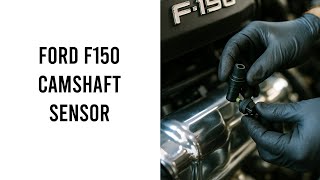
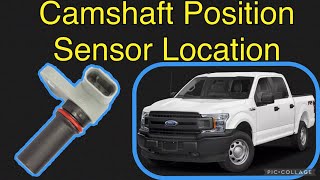
The sensors are typically located on the back of the cylinder heads, near the firewall. On the 5.0L V8 and 3.5L EcoBoost, there are two on the passenger side and two on the driver's side. Accessing them, especially the ones on the passenger side, may require removing the inner fender liner.
Is this a difficult DIY repair?
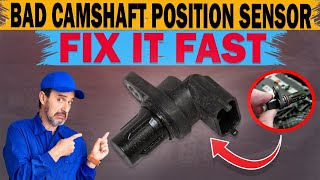
For a mechanically inclined owner, this is a very feasible DIY job. 🎬 Learn how to test and fix a bad camshaft sensor. The sensor is typically held in by a single 8mm bolt. The main challenge is access, as the sensors are in a tight spot. Applying a small amount of clean engine oil to the new sensor's O-ring will help it slide into place easily.
Are there any recalls or TSBs for this part?
There are no specific recalls for the camshaft position sensor itself on the 2019-2024 F-150. However, Ford did issue a customer satisfaction program (21N03) for cam phaser issues on some 2017-2020 F-150s with the 3.5L GTDI engine, which is a related part in the valve timing system. A separate 2019 recall (19S40) addressed a battery terminal fastener that could cause stalling, a symptom similar to a bad sensor.
Should I replace all four sensors at once?
While not strictly necessary, it can be a good preventative measure. If one sensor has failed due to age and heat cycles, the others may not be far behind. Since accessing the sensors can be time-consuming, replacing them in pairs (both on one bank) or all four at once can save you from having to do the job again in the near future.
Helpful Videos
Technical Specifications
OEM Part Numbers: 9X2Z-6B288-A
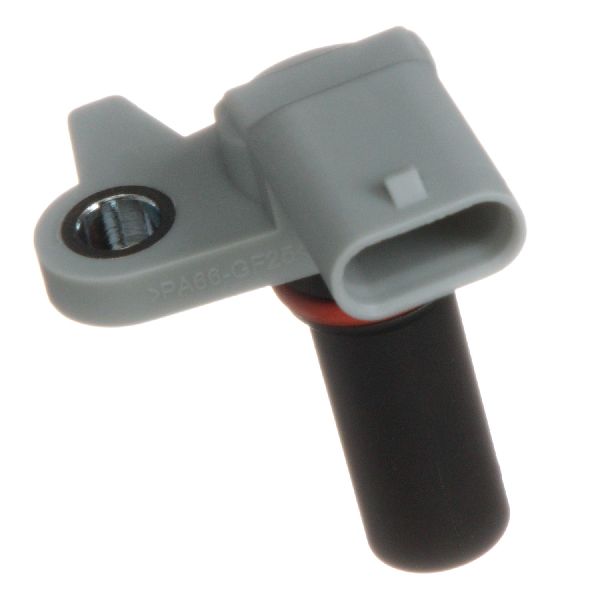
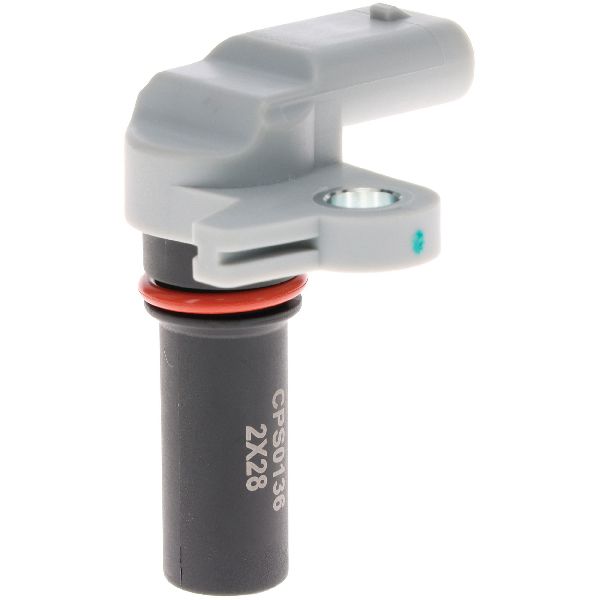
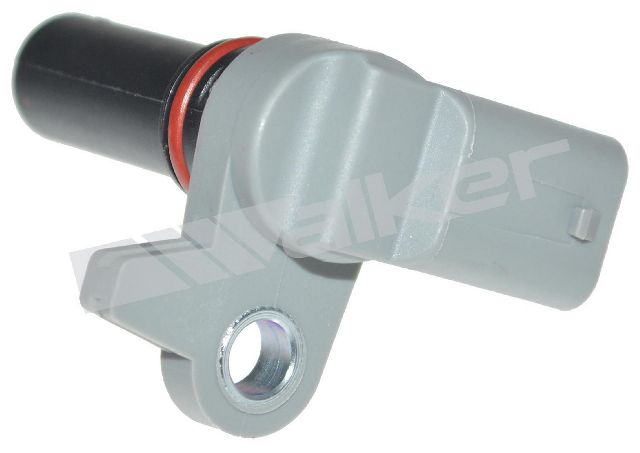
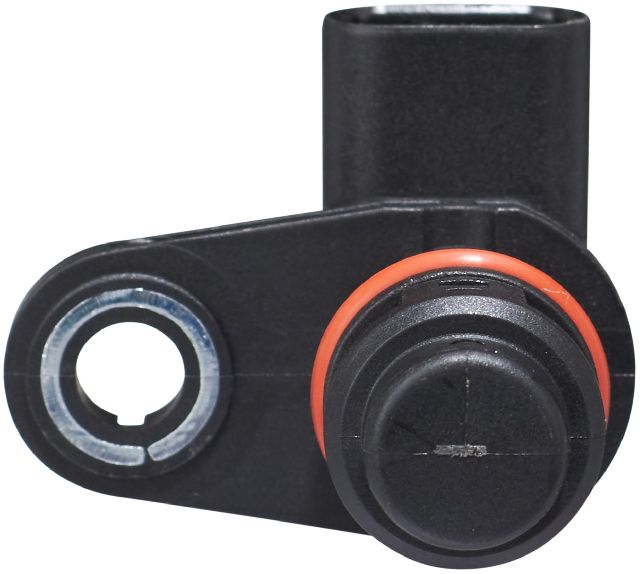
Most 2019-2024 F-150 engines (5.0L, 3.5L EcoBoost) use four sensors total: one intake and one exhaust sensor per bank. The sensors are held by a single bolt and use a 3-pin oval electrical connector.
We Have This Part in Stock


The information in this article is provided for general reference and educational purposes only. Vehicle specifications, procedures, and part compatibility can vary by production date, trim level, and region. Always consult your vehicle's factory service manual and verify part numbers before purchasing or performing repairs. Safety-critical components such as airbags, seat belts, and braking systems should be installed by a qualified professional.
- Ford F-150: