

Ford Ranger (2019-2024) Engine Crankshaft Position Sensor: A Complete Guide
Experiencing stalling, a no-start condition, or a check engine light on your Ranger? Your crankshaft sensor could be the problem.
- A failing crankshaft sensor is a critical issue that can cause a no-start or dangerous stalling condition.
- The most common sign is a Check Engine Light with code P0335.
- Replacement on the 2019-2024 Ranger may require special tools and computer calibration, making it a difficult DIY job.
- Choosing a premium aftermarket brand like Delphi or Standard Ignition is a reliable alternative to the more expensive OEM Motorcraft part.
Is Your Ranger's Crankshaft Position Sensor Failing?

A failing crankshaft position sensor can cause significant and sometimes dangerous driving issues. Because it provides such critical data to the engine computer, a bad signal can disrupt the engine's entire operation. Ignoring the symptoms can lead to getting stranded or potential damage to other components like the catalytic converter from engine misfires.
Critical Part Failure
A complete failure of the crankshaft position sensor will prevent the engine from starting or cause it to stall while driving, which can be a major safety risk. It is highly recommended to address these symptoms immediately.
Symptoms of a Bad Crankshaft Position Sensor

If your Ranger's crankshaft sensor is going bad, you'll likely notice one or more of the following issues:
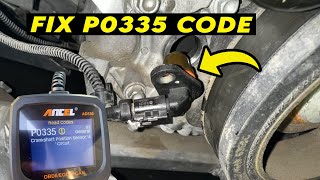
- Check Engine Light: This is often the first indicator. A code scan will typically reveal code P0335, which points directly to a malfunction 🎬 Watch: 6 common causes for the P0335 code in the crankshaft position sensor circuit.
- Engine Won't Start: The engine may crank over but fail to start because the PCM isn't receiving the signal it needs to initiate spark and fuel.
- Engine Stalling: The truck may stall unexpectedly, either while idling or driving. This happens if the sensor signal cuts out intermittently.
- Rough Idle and Misfires: With incorrect timing information, the engine can run rough, shake, or misfire.
- Poor Acceleration: You may notice sluggish performance and a general lack of power because the engine timing is not optimized.
- Decreased Fuel Economy: Inefficient engine operation caused by a faulty sensor can lead to your truck using more fuel than normal.
Choosing the Right Aftermarket Sensor

When replacing the crankshaft sensor on your Ranger, you have a choice between OEM and several aftermarket brands. While electronic sensors can be a part where quality varies, several aftermarket options provide reliable performance.
- OEM (Motorcraft): Motorcraft is Ford's official parts brand and is the benchmark for fit and quality. It is the safest, albeit most expensive, choice to guarantee compatibility and longevity.
- Premium Aftermarket (Delphi, Standard Ignition): Brands like Delphi and Standard Motor Products (SMP) are often OEM suppliers for various car manufacturers and have a reputation for producing high-quality electronic components. They are generally considered reliable alternatives to OEM and are tested to meet or exceed OE standards.
- Standard Aftermarket (Spectra, Walker Products, Global Parts): These brands offer a more budget-friendly price point. While they can be a good value, quality can sometimes be inconsistent compared to premium brands. For a critical sensor like the CKP, it's often worth spending a little more for a premium brand to avoid potential repeat failures.
A Note on Brand Tiers
Some brands, like Standard Motor Products, offer multiple quality tiers. Be aware that their economy lines (often in different colored packaging) may not have the same durability as their standard or premium lines. When in doubt, stick with the manufacturer's primary product line.
Estimated Replacement Costs
The cost to replace the crankshaft position sensor can vary based on whether you do it yourself or use a professional mechanic. For the 2019-2024 Ranger, this job may be more complex than on older models.
| Part/Service | Estimated Cost |
|---|---|
| New OEM (Motorcraft) Part | $45 - $75 |
| New Aftermarket Part | $28 - $60 |
| Shop Labor | $150 - $300 |
| Total Professional Replacement | $178 - $375 |
Frequently Asked Questions

Is it safe to drive with a bad crankshaft position sensor?
No. Because a primary symptom is unexpected engine stalling, it is not safe to drive. A stall at high speed or in traffic could lead to a crash. The vehicle should be repaired as soon as possible.
Where is the crankshaft position sensor on a 2019-2024 Ford Ranger?
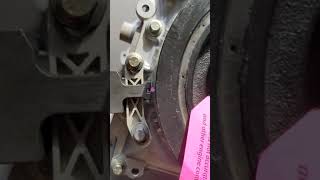
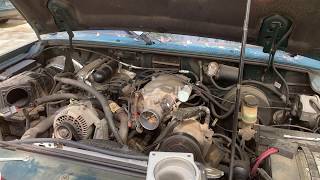
On the 2.3L EcoBoost engine used in the 2019-2024 North American Ford Ranger, the crankshaft position sensor is located at the front of the engine, near the main crankshaft pulley. 🎬 See exactly where the EcoBoost crank sensor is located You will need to access it from underneath the vehicle.
Can I replace the crankshaft sensor myself?
While the sensor itself is typically held on by only a couple of bolts, the replacement on the 2019+ Ranger's 2.3L engine may be more involved. Forum discussions indicate that special alignment tools and a PCM (engine computer) calibration may be required after installation. This makes it a more difficult job than on older trucks and may be best left to a qualified mechanic if you do not have the specific tools and diagnostic equipment.
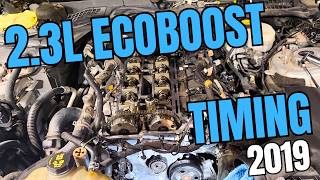
🎬 Watch: Re-timing the 2.3L engine and crankshaft pulley serviceIs there a recall for the crankshaft position sensor on the Ford Ranger?
No. As of early 2026, there are no active NHTSA recalls specifically for the crankshaft position sensor on the 2019-2024 Ford Ranger.
My Ranger is bucking but there's no code. Could it be the crank sensor?
It's possible, but there is another known issue that can cause this. Some 2019-2023 Rangers can experience a bucking or surging sensation between 30-50 mph that feels like a misfire but is actually caused by moisture in the EGR DPFE sensor. If you experience this specific symptom, it's worth investigating the DPFE sensor as a possible cause before replacing the crankshaft sensor.
Helpful Videos

Technical Specifications
OEM Part Numbers: 16DS13W
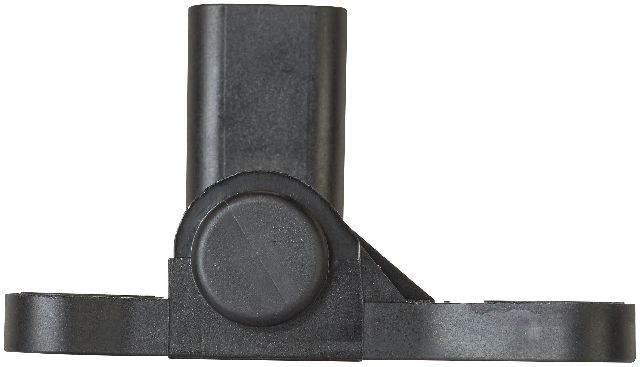
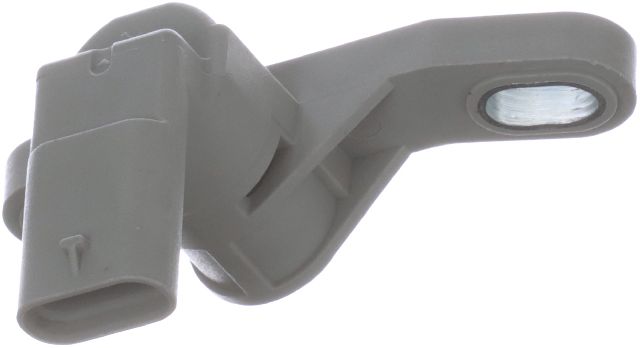
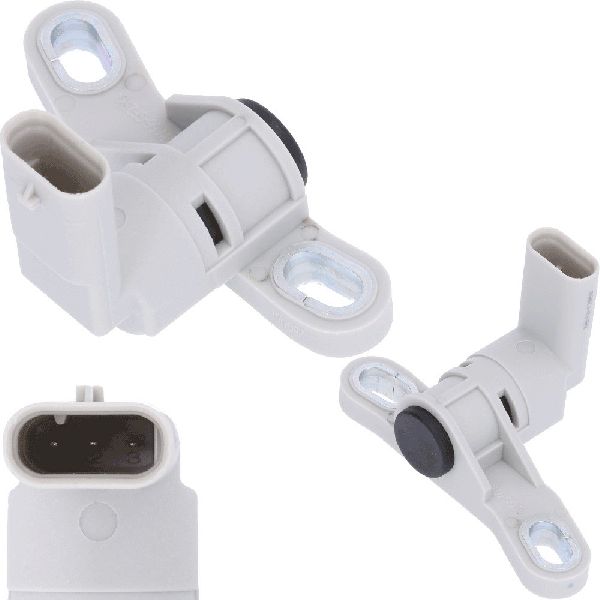
The crankshaft position sensor for the 2.3L EcoBoost is a magnetic hall-effect sensor that reads the teeth on a reluctor wheel mounted to the crankshaft to determine its speed and position.
We Have This Part in Stock



The information in this article is provided for general reference and educational purposes only. Vehicle specifications, procedures, and part compatibility can vary by production date, trim level, and region. Always consult your vehicle's factory service manual and verify part numbers before purchasing or performing repairs. Safety-critical components such as airbags, seat belts, and braking systems should be installed by a qualified professional.
- Ford Ranger: