

A Comprehensive Guide to the 2019-2024 Toyota Camry A/C Compressor
Is your Camry's A/C blowing warm air? Here’s what you need to know before replacing the compressor.
- Denso is the original equipment manufacturer (OEM) for Toyota, making it the highest quality aftermarket choice.
- You must distinguish between the belt-driven compressor for gas engines and the high-voltage electric compressor for hybrid models; they are not interchangeable.
- When replacing the compressor, you must also replace the receiver/drier and expansion valve, and flush the system to avoid damaging the new part.
- This is not a DIY job; it requires specialized equipment to handle refrigerant and properly service the A/C system.
Is Your Camry's A/C Ready for the Heat?

When the air conditioning in your 2019-2024 Toyota Camry stops blowing cold, the A/C compressor is a common suspect. While a refrigerant leak or an electrical issue can also be the cause, a failed compressor means a complete loss of cooling. This guide will walk you through the symptoms of a bad compressor, help you choose the right aftermarket replacement, and explain what to expect for repair costs.
Gas vs. Hybrid Models: A Critical Difference
This guide focuses on the belt-driven A/C compressor for the gas-powered 2.5L and 3.5L Toyota Camry. The Camry Hybrid uses a completely different high-voltage electric compressor that is not interchangeable. Replacement of the hybrid compressor is a high-risk job that should only be performed by technicians trained in high-voltage systems. Always confirm you are ordering the correct part for your specific engine type.
Symptoms of a Failing A/C Compressor

A bad A/C compressor will give you clear warning signs. Here’s what to look and listen for:
- Warm Air from Vents: This is the most obvious symptom. If the compressor can't pressurize the refrigerant, it can't cool the air.
- Strange Noises: Grinding, rattling, or squealing sounds when you turn on the A/C often point to failing internal bearings or a bad clutch.
- Leaking Fluid: The compressor has internal seals that can fail. You might notice a greasy, thin oil leaking from the compressor body.
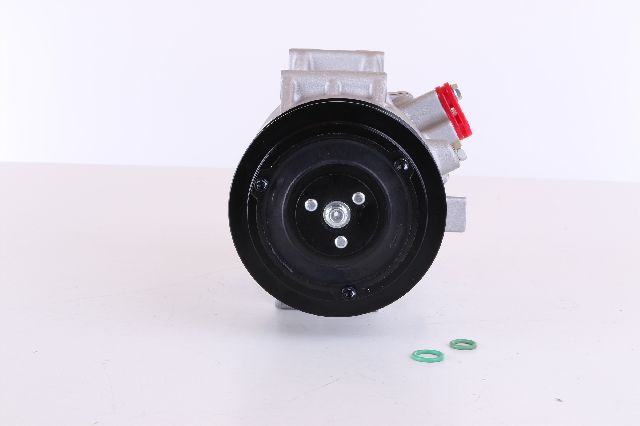
- Compressor Clutch Not Engaging: The outer part of the compressor pulley spins with the engine belt. When you turn on the A/C, the clutch should click and engage, spinning the compressor's internal parts. If it doesn't engage, it could be a bad clutch or an electrical issue.
Choosing the Right Aftermarket Compressor

When it comes to A/C parts, quality matters. A cheap, poorly made compressor can fail quickly, costing you more in labor and repairs down the road. For the Toyota Camry, you have several good aftermarket options.
Tier 1: OEM Quality
- Denso: Denso is the Original Equipment Manufacturer (OEM) for Toyota. This means the Denso compressor you buy from an aftermarket supplier is the exact same part, made on the same assembly line, as the one you'd get from the Toyota dealer. For guaranteed fit, performance, and longevity, Denso is the top choice.
Tier 2: High-Quality Aftermarket
- Valeo: Valeo is a well-respected global supplier that also makes parts for many car manufacturers. They are known for high-quality components and engineering that often focuses on efficiency. A Valeo compressor is a reliable, high-quality alternative to Denso.
- Nissens: Nissens produces a wide range of A/C components and is generally considered a good quality aftermarket brand. Their compressors are designed to meet OE standards and are thoroughly tested. While some user reviews mention noise, they are a solid mid-range option.
Tier 3: Economy Options
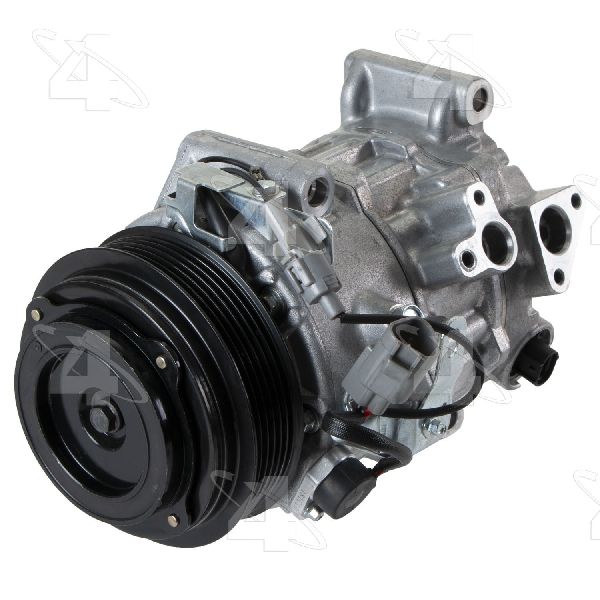
- Four Seasons / Global Parts (GPD): These brands offer a more budget-friendly solution. While they can be a good value, the quality can sometimes be inconsistent compared to premium brands. If you are on a tight budget, they are a viable option, but be aware that the lifespan may not match that of a Denso or Valeo unit.
Pro Tip: Replace More Than Just the Compressor
When a compressor fails, it can send metal shavings and debris throughout the entire A/C system. Simply swapping the compressor is not enough. To prevent your new compressor from failing immediately, you MUST also replace the A/C receiver drier (or accumulator) and expansion valve. The system must also be completely flushed to remove any contaminants before installing the new parts.
A/C Compressor Replacement Cost for 2019-2024 Toyota Camry

The cost to replace the A/C compressor can vary based on your location and the shop you choose. The job requires special equipment to recover the old refrigerant and recharge the system, so it's not a simple DIY project.
| Item | Estimated Cost |
|---|---|
| New Aftermarket Compressor | $255 - $659 |
| Shop Labor (including system flush, evacuation & recharge) | $350 - $800 |
| Total Estimated Cost | $605 - $1,459 |
Note: This table reflects costs for gas engine models. OEM parts from a dealer can be significantly more expensive, with some estimates over $1,000 for the part alone.
Frequently Asked Questions
Can I just replace the A/C compressor clutch?
While sometimes possible, it's often not practical. The labor to remove the compressor and replace just the clutch can be almost as much as replacing the whole unit. Furthermore, if the clutch failed due to an internal compressor issue (like a pending seizure), a new clutch will fail again quickly. In most cases, replacing the entire compressor assembly is the safer, more reliable repair.
Do I need to add oil to my new compressor?
Most new aftermarket compressors, like those from Nissens, come pre-filled with the correct type and amount of PAG oil. However, you should ALWAYS check the manufacturer's instructions. Some may require you to drain and measure the oil from the old compressor and add the same amount of new oil to the new unit. Using the wrong oil or the wrong amount will destroy the new compressor.
Are there any recalls for the 2019-2024 Camry A/C compressor?
As of early 2026, there are no widespread safety recalls specifically for the A/C compressor on the 2019-2024 Toyota Camry gas models. Older Camry generations had some A/C-related recalls and service bulletins, but these do not apply to the XV70 generation (2019-2024).
Why did my Camry's A/C compressor fail?
Compressor failure can happen for several reasons. The most common is simply age and mileage, where internal components wear out. Another frequent cause is a slow refrigerant leak in the system. When refrigerant leaks out, so does the special oil that lubricates the compressor's internal parts, causing it to seize from lack of lubrication.
Helpful Videos
Technical Specifications
OEM Part Numbers: 88310-06570 88310-33330 447280-8724
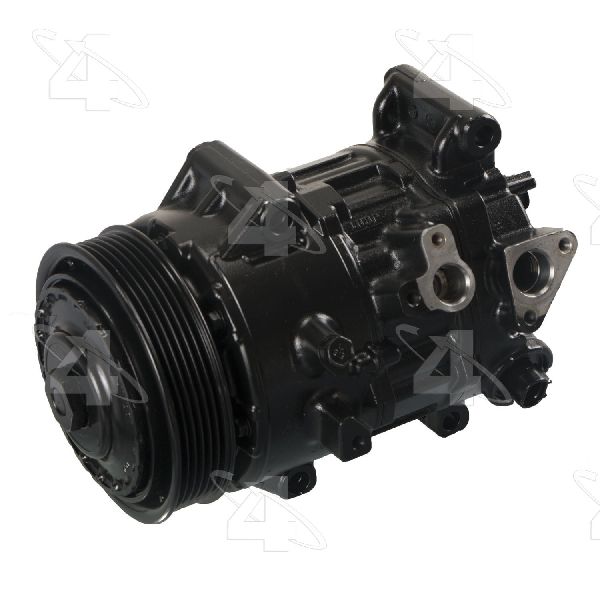
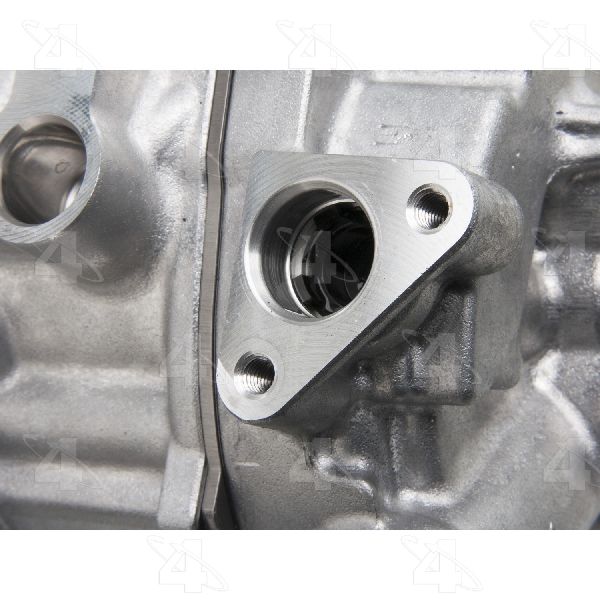
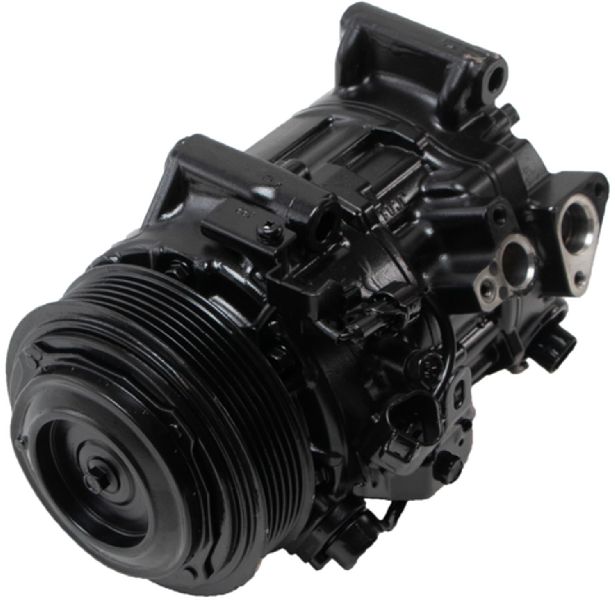
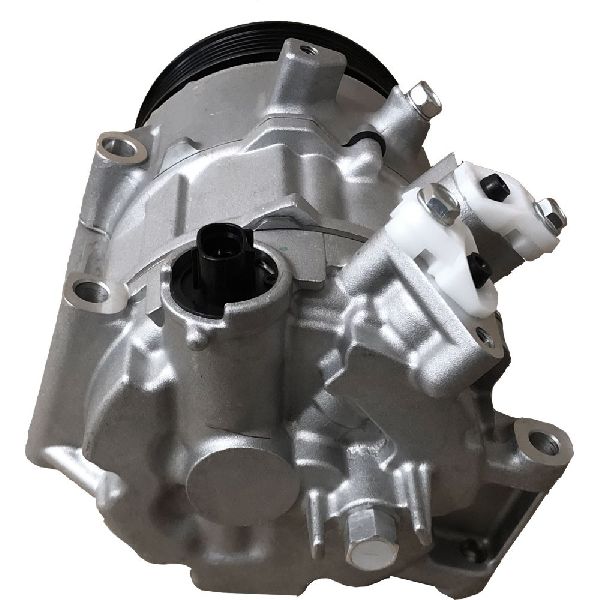
Fits 2.5L (A25A-FKS) and 3.5L (2GR-FKS) gas engines. Uses a 6-groove pulley with a diameter of approximately 120mm. The system uses R-134a or R1234yf refrigerant depending on the specific model year and build. This is a belt-driven, clutch-style compressor.
We Have This Part in Stock

The information in this article is provided for general reference and educational purposes only. Vehicle specifications, procedures, and part compatibility can vary by production date, trim level, and region. Always consult your vehicle's factory service manual and verify part numbers before purchasing or performing repairs. Safety-critical components such as airbags, seat belts, and braking systems should be installed by a qualified professional.
- Toyota Camry:
- 🎬 Helpful Videos
- 🛍️ Shop This Part
- Is Your Camry's A/C Ready for the Heat?
- Gas vs. Hybrid Models: A Critical Difference
- Symptoms of a Failing A/C Compressor
- Choosing the Right Aftermarket Compressor
- Tier 1: OEM Quality
- Tier 2: High-Quality Aftermarket
- Tier 3: Economy Options
- Pro Tip: Replace More Than Just the Compressor
- A/C Compressor Replacement Cost for 2019-2024 Toyota Camry
- Frequently Asked Questions
- 🎟️ Get 5% Off