

A Guide to Oxygen Sensor Replacement for the 2019-2024 Toyota Camry
Is your check engine light on and your gas mileage dropping? Your Camry's oxygen sensor might be the culprit.
- Before replacing parts for a P0420 code, have a mechanic check for small exhaust leaks, a known issue on these Camrys that can cause false sensor readings.
- For best results, choose an OEM-equivalent aftermarket brand like DENSO or NGK/NTK, as they likely made the original part for Toyota.
- Do not ignore a bad oxygen sensor; driving with it for too long can lead to expensive damage to your catalytic converter.
- You can save over $100 by replacing the sensor yourself, but you will need a special 22mm oxygen sensor socket.
Is Your Oxygen Sensor Failing?

The most obvious sign of a bad oxygen sensor is a lit Check Engine Light on your dashboard. However, you might notice other performance issues first. Pay attention to these common symptoms:
- Decreased Fuel Economy: One of the first and most common signs is needing to fill up your gas tank more often. A bad sensor can cause your engine to run rich, wasting fuel.
- Rough Idle or Engine Hesitation: Your Camry's engine may idle unevenly or hesitate during acceleration.
- Failed Emissions Test: A bad O2 sensor will prevent your vehicle from passing an emissions test.
- Smell of Gasoline: You might notice a strong smell of unburned fuel, like rotten eggs, from the exhaust. This can indicate a rich fuel mixture and can lead to catalytic converter damage.
A Critical Tip for 2019-2022 Camry Owners
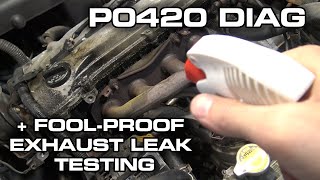
Before you replace any parts, be aware of a Toyota Technical Tip (T-TT-0686-22). It states that for many Toyota models, including the Camry, diagnostic codes like P0420, P0430, and others can be triggered by a very small, hard-to-see exhaust leak from a weld or gasket located before the oxygen sensor. This tiny leak lets extra oxygen into the exhaust, tricking the sensor into sending a bad reading. Always have a mechanic inspect the exhaust system for leaks before spending money 🎬 See how to professionally test for tiny exhaust leaks. on a new sensor or a very expensive catalytic converter.
Choosing the Right Aftermarket Oxygen Sensor

When replacing an oxygen sensor, you don't have to buy the part from a Toyota dealer. Aftermarket brands offer a range of quality and price points. For a critical part like this, it's best to stick with brands known for their quality and compatibility with Toyota vehicles.
Tier 1: OEM-Equivalent Brands (NGK/NTK & Denso)
Toyota does not manufacture its own oxygen sensors. The original sensors in your Camry were likely made by either DENSO or NGK (which sells sensors under the NTK brand). These brands are considered the gold standard for replacement. An NGK or DENSO sensor from an auto parts store is often the exact same part that came in the Toyota box, but at a lower price. For guaranteed fit, performance, and longevity, these are your best choice.
Tier 2: Premium Aftermarket (Bosch)
Bosch is a massive, highly respected automotive parts manufacturer that actually invented the modern oxygen sensor. Their sensors are known for quality and are a reliable choice if an OEM-equivalent brand is not available. They are a top-tier aftermarket option that meets or exceeds OEM specifications.
Tier 3: Economy Brands (Walker Products & DriveWire)
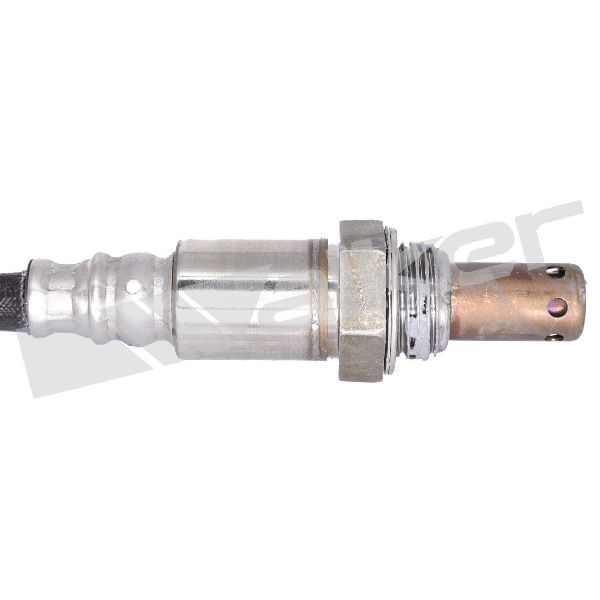
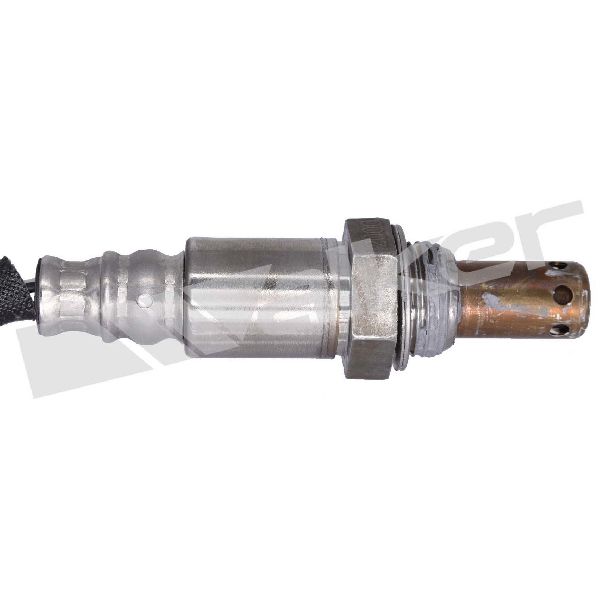
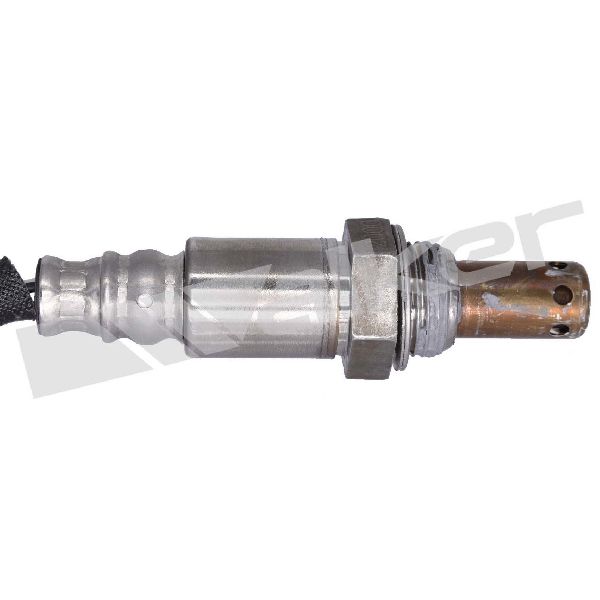
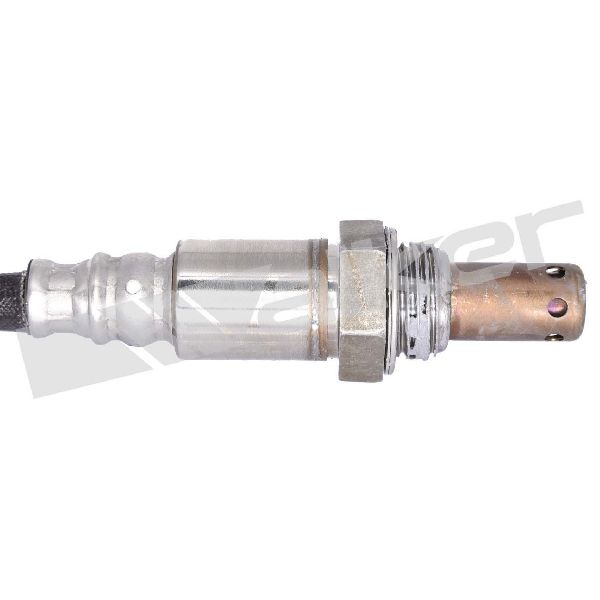
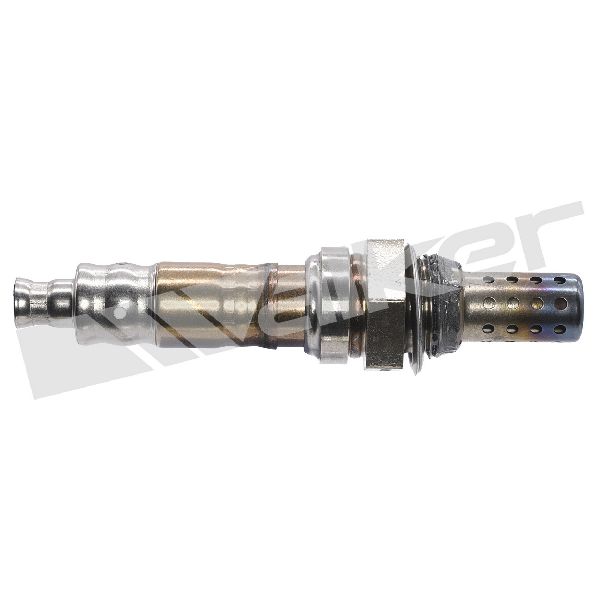
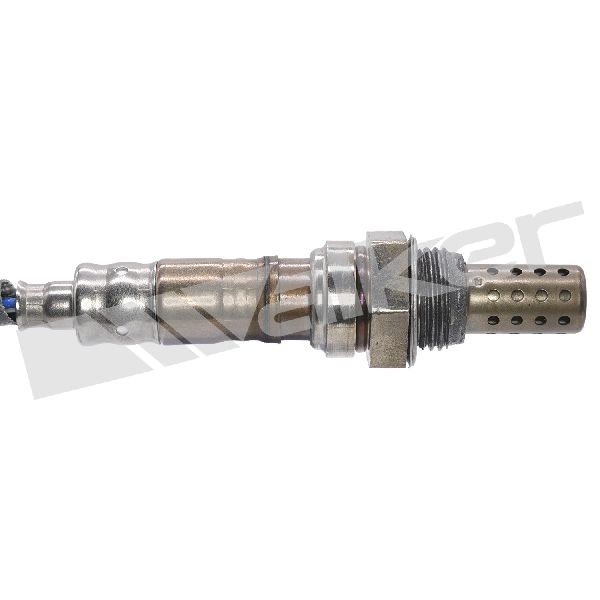
Brands like Walker Products and DriveWire offer more budget-friendly options. While they can get the job done and clear a check engine light, they may not have the same longevity or precise calibration as the premium brands. These are a viable option if budget is the primary concern, but for a vehicle as new as a 2019-2024 Camry, investing in a Tier 1 or Tier 2 brand is recommended for long-term peace of mind.
How Much Does Replacement Cost?

The cost can vary depending on which sensor needs replacing (upstream sensors are often more expensive) and labor rates in your area.
| Item | Estimated Cost |
|---|---|
| New Aftermarket Oxygen Sensor (Part Only) | $67.75 - $305.78 |
| New OEM Oxygen Sensor (Part Only) | $140 - $285 |
| Shop Labor | $100 - $200 |
| Total (Aftermarket Part + Labor) | $168 - $506 |
Pro Tip: Replacing an oxygen sensor is a job many DIY-ers can handle with the right tool—a special 22mm slotted socket. Doing it yourself can save you over $100 in labor. Just be sure to let the exhaust cool down completely before you start.
Frequently Asked Questions

How many oxygen sensors does my 2019-2024 Camry have?
It depends on your engine. The 2.5L 4-cylinder engine typically has two sensors: one upstream (A/F sensor) and one downstream (O2 sensor). The 3.5L V6 engine has four sensors: one upstream and one downstream for each cylinder bank.
What is the difference between an upstream and downstream sensor?
The upstream sensor (also called Bank 1, Sensor 1 or an Air/Fuel Ratio Sensor) is located before the catalytic converter. It is the primary sensor for adjusting the air-fuel mixture. The downstream sensor (Bank 1, Sensor 2) is located after the catalytic converter and its main job is to monitor the converter's efficiency.
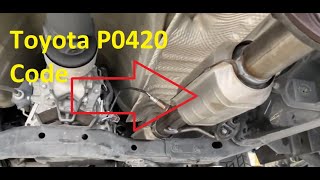
🎬 Learn more about diagnosing P0420 catalyst efficiency codes.Can I replace an oxygen sensor myself?
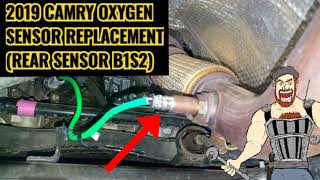
Yes, this is a common DIY repair. The main challenges are accessing the sensor (which can be in a tight spot) and breaking it loose from the hot exhaust pipe. You will need a special slotted 22mm oxygen sensor socket to fit over the wire. 🎬 Watch this step-by-step walkthrough for replacing the downstream sensor. Always let the car cool for at least an hour before attempting the repair.
Why did the oxygen sensor fail on my new Camry?
While they are designed to last a long time, oxygen sensors are wear-and-tear items that live in a harsh environment of extreme heat and contaminants. Premature failure can happen. Some owners of late-model Camrys have reported sensor failures that were covered under the vehicle's emissions warranty (typically 8 years or 80,000 miles). Contaminants like burned oil or coolant can also cause a sensor to fail.
Helpful Videos
Technical Specifications
OEM Part Numbers: 89467-06210 89467-33210 89465-06380 89467-06250 89467-06230
Your Camry uses both upstream Air/Fuel Ratio (A/F) sensors and downstream Oxygen (O2) sensors. They can be 4-wire or 5-wire heated types. The 2.5L I4 engine has two sensors, while the 3.5L V6 has four. Always verify the correct part for your specific engine and sensor location (e.g., Bank 1 Sensor 2).
We Have This Part in Stock

The information in this article is provided for general reference and educational purposes only. Vehicle specifications, procedures, and part compatibility can vary by production date, trim level, and region. Always consult your vehicle's factory service manual and verify part numbers before purchasing or performing repairs. Safety-critical components such as airbags, seat belts, and braking systems should be installed by a qualified professional.
- Toyota Camry: