

Ford Ranger (2019-2025) Aftermarket Disc Brake Pad Guide
Choosing the right replacement brake pads for your Ranger is about more than just price; it's about matching the part to how you use your truck.
- The rear brakes on the 2019-2025 Ranger have an Electronic Parking Brake (EPB) that requires a special tool to put into 'Service Mode' for replacement.
- Some owners report a 'mushy' brake pedal feel; this may not be related to the pads themselves but to the broader hydraulic/ABS system.
- Aftermarket brands like PowerStop and Akebono are popular upgrades for better performance and lower dust compared to OEM Motorcraft pads.
- Always plan to replace or resurface your rotors when installing new brake pads for the best performance and longevity.
Signs Your Ranger's Brake Pads Are Worn

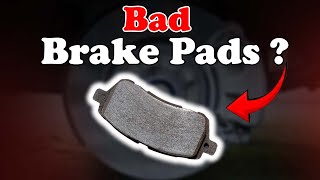
Your truck will give you clear signals when it's time for new brake pads. 🎬 Watch: A visual guide to common symptoms of bad brake pads. Ignoring these signs can lead to more expensive repairs, like needing to replace the rotors as well.
- Squealing or Screeching: Most brake pads have a small metal tab called a wear indicator. When the pad material gets low, this tab scrapes against the rotor and makes a high-pitched noise.
- Grinding Noise: If you hear a deep, metallic grinding sound, it's a critical warning. This often means the pads are completely worn away, and the metal backing plate is grinding against the rotor, causing serious damage.
- Vibration or Pulsing: A pulsing sensation in the brake pedal or steering wheel when you brake can point to warped rotors, but it can also be caused by unevenly worn pads.
- Spongy or Soft Brake Pedal: If your brake pedal feels less responsive or goes down further than usual, it could indicate worn pads or other issues within the brake system.
- Longer Stopping Distance: If your truck is taking longer to stop than it used to, your brake pads are likely worn out and not providing enough friction.
Known Issues & Recalls
Some owners of 2019+ Rangers have reported a "mushy" or soft brake pedal feel, sometimes related to air in the ABS module or a defective master cylinder. Additionally, there have been reports of uneven rear brake pad wear, where the inner pad wears out much faster than the outer one. A recall (NHTSA 25V488, Ford 25S77) was issued for some 2025 models for a potential Electronic Brake Booster (EBB) module malfunction, which could lead to a loss of power brake assist. While this doesn't directly involve the pads, it highlights the complexity of the modern braking system.
Choosing the Right Aftermarket Brake Pads

The factory-installed pads on your Ranger are made by Motorcraft, Ford's official parts brand. They provide a good balance of performance and quiet operation for daily driving. However, aftermarket brands offer a wider variety of materials and performance characteristics that might be better suited for your specific needs, whether that's towing, off-roading, or just saving money.
Brand & Quality Tiers
We can group the available brands into three general tiers:
Tier 1: Premium & Performance ($100 - $370)
These brands are for owners who demand more from their truck. They often use high-performance ceramic or carbon-fiber ceramic formulas for better stopping power, lower dust, and improved fade resistance under heavy use. They are an excellent upgrade for towing, hauling heavy loads, or spirited driving.
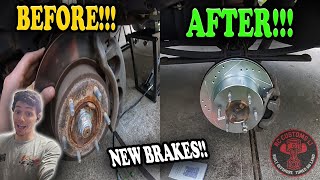
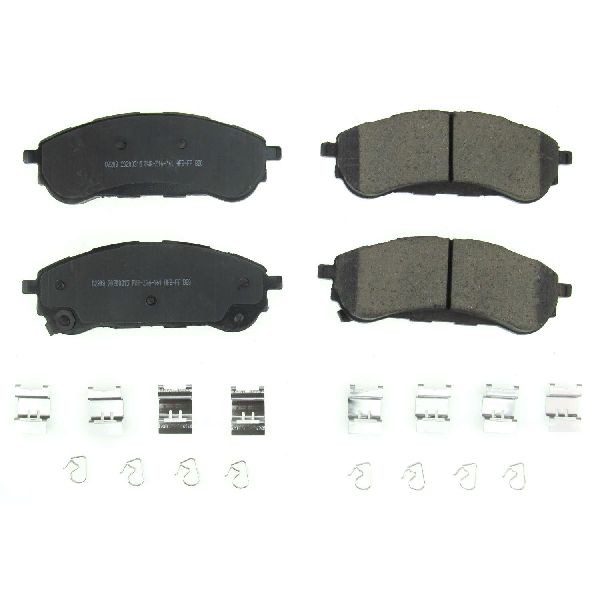
- PowerStop: Very popular among truck owners. The Z36 Truck & Tow and Z23 Evolution Sport kits are common choices, known for providing increased stopping power with low dust. 🎬 See how to upgrade your Ranger with a PowerStop brake kit.
- EBC Brakes: A well-respected performance brand offering different compounds (like Yellowstuff for trucks) for various levels of performance.
- Brembo: A top-tier name in braking, offering premium pads that provide excellent performance, often at a premium price.
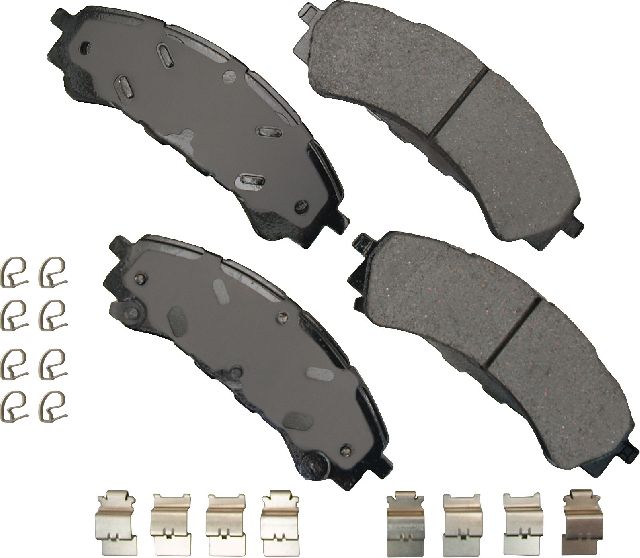
- Akebono: Known for being a major OEM supplier, their Pro-ACT ceramic pads are a fantastic upgrade for quiet, smooth stopping with very low dust.
Tier 2: OEM-Equivalent Daily Drivers ($60 - $120)
These brands are the workhorses. They provide quality, reliability, and performance that meets or exceeds the original Motorcraft pads. They are perfect for the majority of Ranger owners who use their truck for daily commuting and light-duty tasks.
- Bosch: Known for their QuietCast ceramic pads, which offer a great balance of quiet operation and reliable stopping.
- Raybestos: A long-standing, trusted name in brakes, offering several lines like the Element3 series that provide enhanced hybrid technology.
- Wagner Brakes: Their Wagner OEx and ThermoQuiet lines are popular choices for providing OEM-level performance and quiet stops.
- Centric Parts: Offers a wide range of pads, including their Posi Quiet series, providing good, quiet performance for everyday use.
Tier 3: Value-Focused ($45 - $75)
For the budget-conscious owner, these brands offer a safe and reliable replacement for worn-out pads without the higher cost of premium materials. They are a good choice for trucks that see light, everyday use.
- Dynamic Friction: Offers a range of pads that provide solid, dependable performance at a very competitive price point.
- Total Stopping Solutions: A value-oriented brand that provides a functional and safe replacement for standard driving conditions.
Ceramic vs. Semi-Metallic
Most aftermarket options for the Ranger will be Ceramic or Semi-Metallic. Ceramic pads are known for being quiet, producing less dust, and being gentle on rotors. Semi-metallic pads typically offer better bite and performance in extreme temperatures but can be noisier and create more dust. For most Ranger owners, a quality ceramic pad offers the best all-around experience.
Cost of Replacing Ford Ranger Brake Pads

| Item | Estimated Cost |
|---|---|
| New Aftermarket Pads (per axle) | $45 - $370 |
| New OEM (Motorcraft) Pads (per axle) | $65 - $95 |
| Shop Labor (per axle) | $150 - $300 |
| Total DIY Cost (Pads Only, per axle) | $45 - $370 |
| Total Shop Cost (Pads & Labor, per axle) | $195 - $670 |
Note: Costs are estimates and can vary based on region, brand, and whether rotors also need replacement. It is almost always recommended to replace or resurface rotors when installing new pads.
Frequently Asked Questions
How often do I need to replace my Ranger's brake pads?
There is no exact mileage. Brake pad life depends heavily on your driving habits, environment (city vs. highway), and whether you tow or carry heavy loads. A general range is 30,000 to 70,000 miles, but you should have them inspected annually and rely on the warning signs mentioned above.
Do I have to replace my rotors with my pads?
It is highly recommended. Installing new pads on old, worn, or warped rotors can cause noise, vibration, and reduced pad life. At a minimum, rotors should be resurfaced if they are within their thickness specification. However, given the reasonable cost of new rotors, replacement is often the better and safer choice.
Is replacing brake pads on a 2019-2025 Ranger a good DIY job?
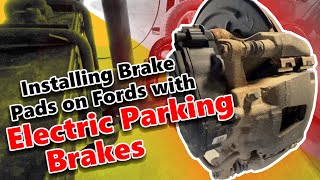
Yes, for someone with moderate mechanical skill. The front brakes are straightforward. However, the rear brakes have an Electronic Parking Brake (EPB). You MUST put the EPB into a special 'Service Mode' using a scan tool before you can compress the rear caliper piston. Failure to do so will damage the caliper. 🎬 Watch: How to safely service Ford's electric parking brake system. If you don't have the proper tool, this job is best left to a professional.
What is 'bedding in' new brake pads?
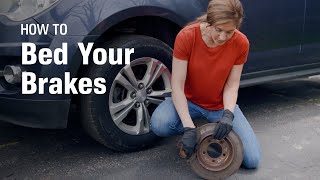
Bedding in is a process of a few controlled, hard stops after installation. This transfers an even layer of friction material from the new pads onto the rotors. It ensures smooth, quiet, and powerful braking for the life of the pads. Always follow the manufacturer's specific bedding procedure.
Helpful Videos
Technical Specifications
OEM Part Numbers: BRF1874
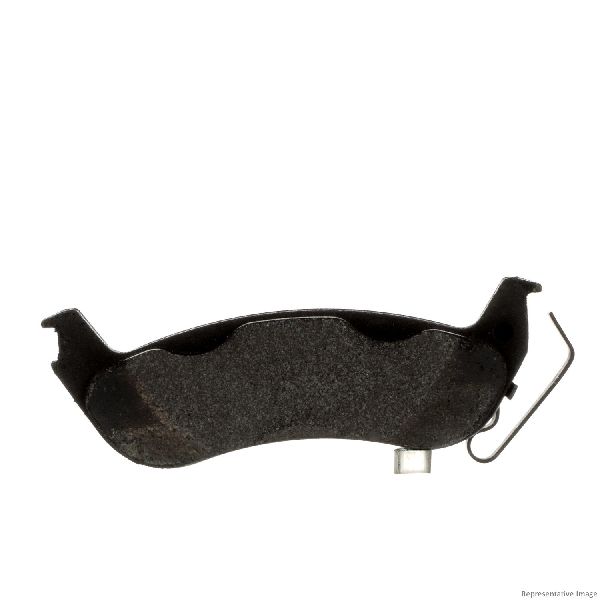
The 2019-2025 Ford Ranger uses disc brakes on all four wheels. The rear calipers are equipped with an Electronic Parking Brake (EPB) system, which requires a diagnostic scan tool to retract for service. Pad materials vary from OEM organic/ceramic blends to aftermarket ceramic and semi-metallic compounds.
We Have This Part in Stock


The information in this article is provided for general reference and educational purposes only. Vehicle specifications, procedures, and part compatibility can vary by production date, trim level, and region. Always consult your vehicle's factory service manual and verify part numbers before purchasing or performing repairs. Safety-critical components such as airbags, seat belts, and braking systems should be installed by a qualified professional.
- Ford Ranger: