

Choosing the Right Disc Brake Pads for Your 2019-2025 Subaru Ascent
Your guide to stopping safely and quietly in your Ascent, from daily driving to towing.
- Check for the Subaru front brake warranty extension (TSB 06-92-24) before buying parts if you have brake squeal or vibration.
- The Ascent is a heavy SUV; don't cheap out on brake pads. Premium aftermarket brands like Akebono or Powerstop are popular upgrades over the original stock pads.
- Always replace brake rotors with the pads on this vehicle to prevent vibration issues.
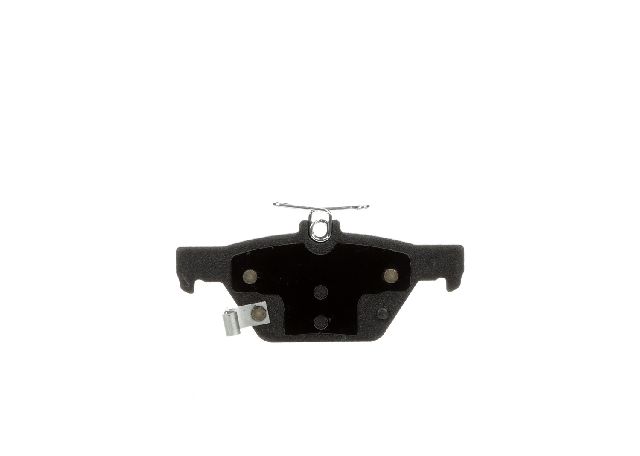
- Rear brake pad replacement is more complex than the front due to the electronic parking brake and may require special tools or professional installation.
Is It Time for New Brake Pads?


Your Ascent will give you clear signs when the brake pads are wearing thin. Ignoring these can lead to more expensive repairs, like replacing the brake rotors. The most common symptom is a high-pitched squealing or grinding noise when you apply the brakes. You might also feel a vibration or pulsation in the brake pedal or steering wheel, which often points to issues with the brake rotors caused by worn pads. If you notice it takes longer to stop or the brake pedal feels soft, it's time for an inspection.
Known Issue: Front Brake Pulsation and Squeal (TSB 06-92-24)
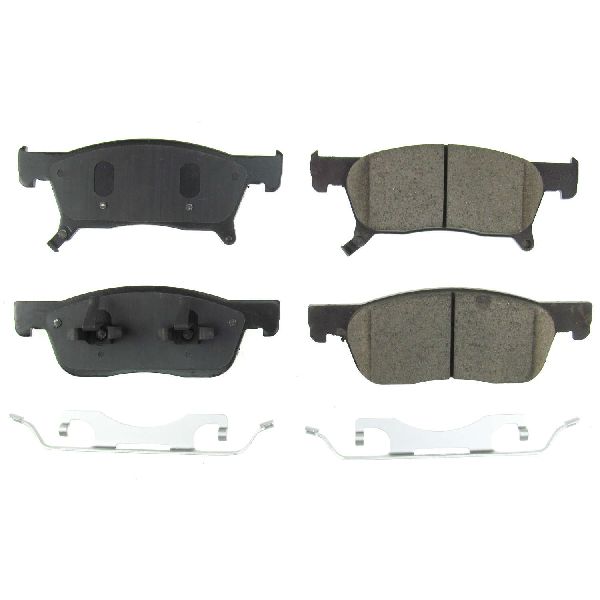
Subaru has acknowledged that 2019-2024 Ascents may experience front brake pulsation (a vibrating feeling) or squealing. This is often due to issues with the original brake components. In response, Subaru issued a Technical Service Bulletin (TSB) and extended the warranty for front brake components to 8 years or 150,000 miles for affected vehicles. The fix involves newly designed brake pads, rotors, and other hardware. If you experience these symptoms, contact a Subaru dealer to see if your vehicle qualifies for repair under the warranty extension before purchasing aftermarket parts.
Choosing the Right Aftermarket Brake Pads

When you're outside of warranty or want to upgrade, the aftermarket offers many choices. The Ascent is a heavy vehicle, so choosing the right pad is important for safety and performance. Aftermarket pads can offer similar or even better performance than Original Equipment (OE) pads, often at a lower cost. They are generally categorized by material and intended use.
Brand & Quality Tiers
Not all brake pads are created equal. Here’s a breakdown of available brands to help you choose:
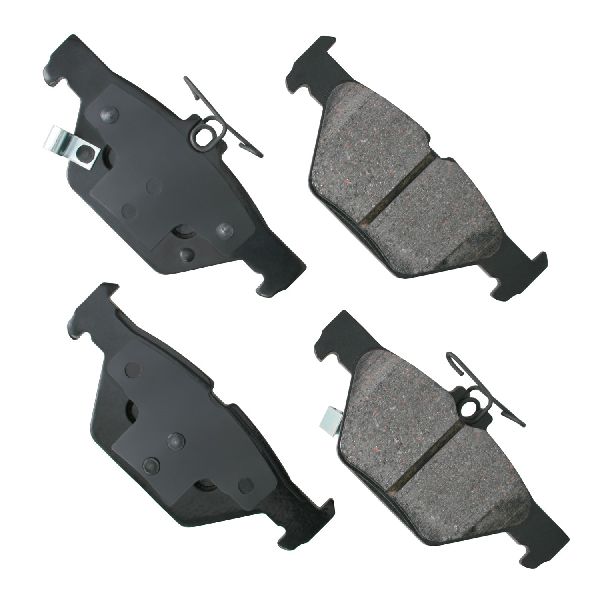
- Premium OEM-Equivalent (Best for most drivers): These brands are often Original Equipment Manufacturers (OEMs) for Subaru and other Japanese automakers. They provide a factory-like quiet ride, low dust, and reliable stopping power. Look for Advics and Akebono in this category. They are an excellent balance of performance and daily-driver comfort.
- Performance & Towing (For enhanced stopping power): If you tow, live in a hilly area, or want more initial bite from your brakes, these are a great option. Brands like Powerstop (especially their Z23 carbon-fiber ceramic pads), EBC Brakes, and StopTech are popular choices among Ascent owners for upgrading their braking capability. Be aware they may produce slightly more dust or noise than OEM-style pads.
- Daily Driver & Standard Replacement: These brands offer reliable, quality replacements that meet or exceed factory specifications. They are a solid choice for normal daily driving. Brands in this tier include Bosch, Raybestos, Centric, and Wagner.
- Economy: These pads meet basic safety requirements and are the most budget-friendly. Brands like Pronto and Total Stopping Solutions fall into this category. They are suitable for drivers on a tight budget but may not offer the longevity or low-noise characteristics of premium pads.
A Note on Brake Pad Material
Most aftermarket pads for the Ascent are ceramic. Ceramic pads offer a great balance of quiet operation, low brake dust, and consistent performance for daily driving. For heavy towing or performance use, some owners opt for carbon-fiber ceramic or semi-metallic pads, which handle high heat better but can be noisier.
| Pad Tier | Typical Price Range (Front or Rear Set) | Best For |
|---|---|---|
| Economy | $36 - $55 | Basic transportation, budget-conscious repairs |
| Daily Driver / Standard | $50 - $80 | Reliable OEM-level performance for everyday use |
| Premium OEM-Equivalent | $65 - $95 | Quiet operation, low dust, and long life |
| Performance / Towing | $70 - $110 | Improved stopping power, towing, and spirited driving |
Frequently Asked Questions (FAQ)

Do I need to replace my rotors with my pads?
It is highly recommended. Many of the braking issues on the Ascent, like pulsation, are related to the rotors. Installing new pads on worn or warped rotors will reduce the effectiveness and lifespan of the new pads and can lead to noise and vibration. For best results, replace pads and rotors at the same time.
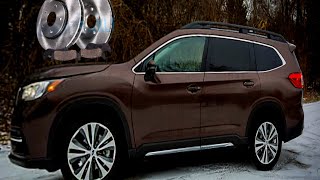
🎬 Watch this step-by-step guide to replacing front pads and rotors.Can I replace just the front or rear pads?
Yes, brake pads are replaced in axle sets (both front wheels or both rear wheels). You don't need to replace all four at once. The front brakes on the Ascent do most of the work and tend to wear out faster.
What is involved in the rear brake pad replacement?
The Subaru Ascent has an electronic parking brake (EPB). Replacing the rear pads requires putting the system into a special 'service mode' or using a tool to retract the electronic caliper piston. While it is a DIY-feasible job for those with the right tools and experience, many owners may prefer to have a professional handle the rear brakes to avoid damaging the EPB system.
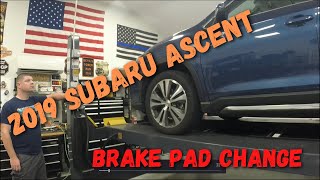
🎬 See how to properly change your Ascent brake pads.Are OEM Subaru brake pads good?
Original Subaru pads are designed for the vehicle, but early versions for the Ascent were prone to causing noise and vibration, leading to a warranty extension. The newest OEM pads are redesigned to fix these issues. However, many owners find that premium aftermarket brands like Akebono or performance brands like Powerstop offer better performance and value.
Helpful Videos
Technical Specifications
OEM Part Numbers: 26296XC02A 26296XC00A 26296XC00B 26296XC00C 26296XC00D 26696XC00A
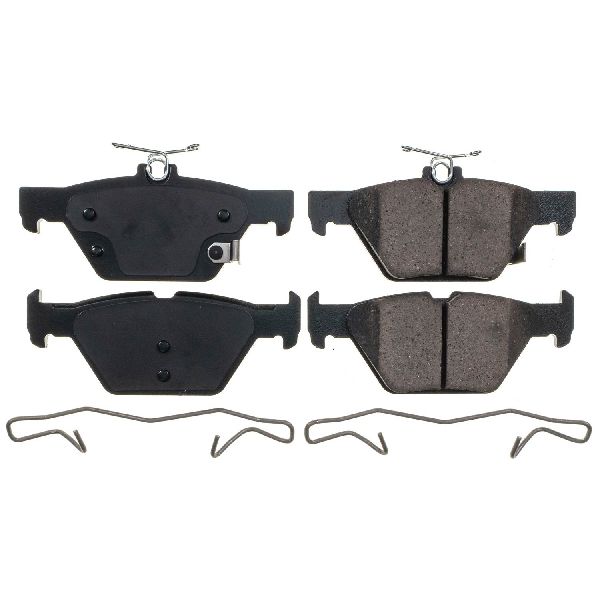
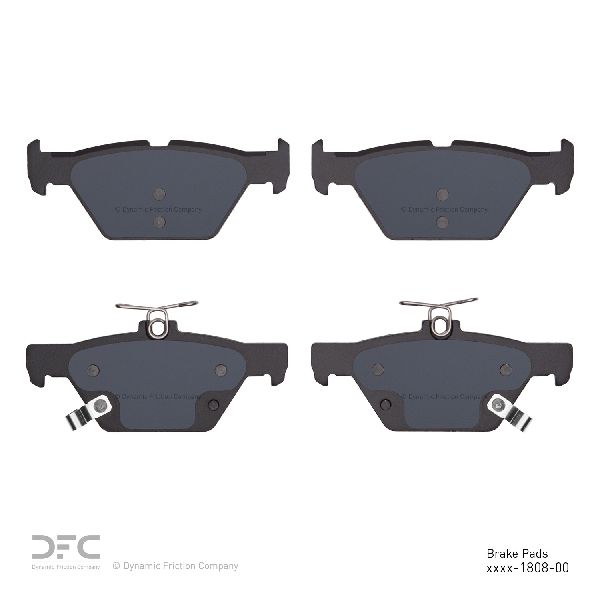
The Subaru Ascent uses a dual-piston front caliper and a single-piston rear caliper with an integrated electronic parking brake. The front pads handle the majority of braking force. Aftermarket pads are typically ceramic or carbon-fiber ceramic formulations.
We Have This Part in Stock

The information in this article is provided for general reference and educational purposes only. Vehicle specifications, procedures, and part compatibility can vary by production date, trim level, and region. Always consult your vehicle's factory service manual and verify part numbers before purchasing or performing repairs. Safety-critical components such as airbags, seat belts, and braking systems should be installed by a qualified professional.
- Subaru Ascent: