

Audi SQ7 A/C Desiccant Element Guide for 2020-2022 Models
Understand this critical, often-misunderstood part before you service your SQ7's air conditioning system.
- The 2020-2022 SQ7 uses a desiccant bag inside the condenser, not a separate canister-style receiver drier.
- This part MUST be replaced whenever the A/C system is opened for any repair to prevent damage to new components and to validate warranties.
- Replacement is not a DIY task; it requires professional refrigerant recovery and recharging equipment.
- Before major repairs, ask a technician to investigate potential TSBs related to faulty A/C pressure sensors, which can cause similar symptoms.
A/C Desiccant Element vs. A/C Receiver Drier
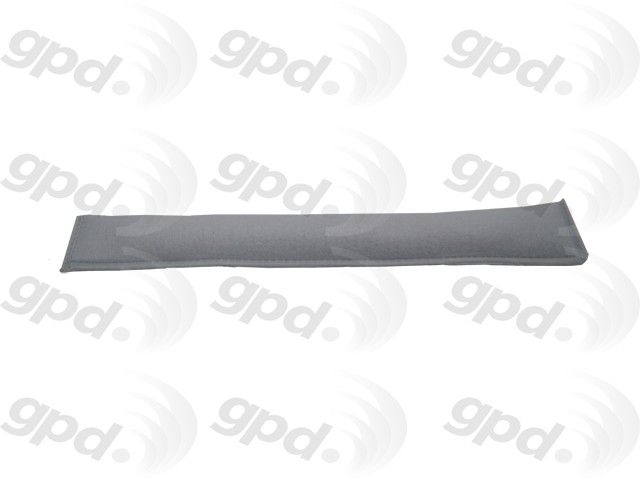
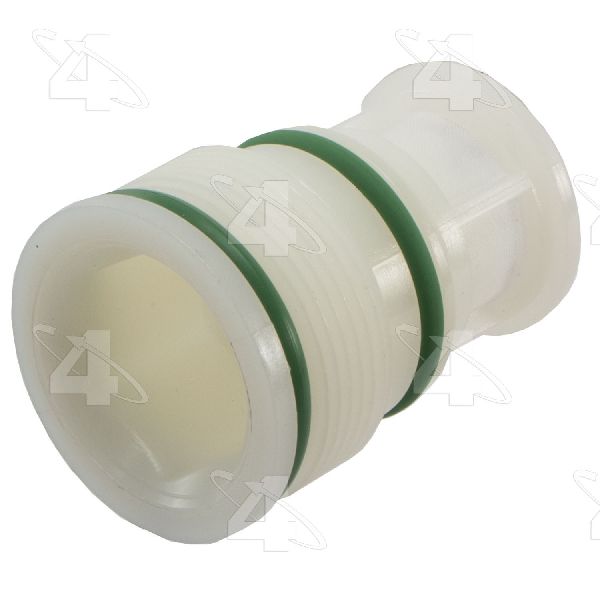
It is important to know that the 2020-2022 Audi SQ7 does not have a separate, standalone A/C receiver drier canister like many other vehicles. Instead, it uses a desiccant bag that is integrated directly into a service port on the A/C condenser. While it performs the exact same function—filtering moisture and contaminants—you are purchasing a small bag element, not a metal cylinder. This is a common point of confusion when ordering parts.
Symptoms of A/C System Contamination
A desiccant element doesn't typically "fail" on its own. Instead, symptoms point to a larger A/C system problem that has allowed moisture or debris to enter. When you experience these issues, a desiccant element replacement is a required part of the repair.
- Poor or No Cooling: The most common symptom. If the desiccant bag breaks, the loose beads can clog the system, or if the bag is saturated with moisture, it can freeze and create a blockage, preventing refrigerant flow.
- Musty or Moldy Smell: Excess moisture in the system can lead to mold growth, causing an unpleasant smell from the vents when the A/C is on.
- Foggy Windows: If the A/C can't properly dehumidify the cabin air, you may have trouble clearing interior window fog.
- Rattling Noises: In rare cases, a ruptured desiccant bag could cause internal components to make noise.
Mandatory Replacement Rule
You must replace the A/C desiccant element anytime the refrigerant system is opened to the atmosphere. This includes repairs like replacing the A/C compressor, condenser, or hoses. The desiccant material will become saturated with moisture from the air within a few hours, making it useless. Failing to replace it will cause contamination and rapid failure of newly installed parts, and will void the part's warranty.
Choosing the Right Aftermarket Desiccant Element
For the 2020-2022 Audi SQ7, the primary aftermarket brands for this specific part are Four Seasons and Global Parts (GPD). These are budget-friendly options that meet the basic requirement of replacing the desiccant during a system repair.
- Quality Assessment: Both Four Seasons and GPD are economy-tier brands. While perfectly suitable for this type of replacement part, general brand feedback is mixed. Some users report success with Four Seasons A/C components, while others have experienced quality or fitment issues. There is less specific feedback on GPD, but it is in a similar market position.
- OEM vs. Aftermarket: The genuine Audi desiccant element is a higher-cost option. For a part like this, which is essentially a filter bag, an aftermarket version from a certified manufacturer is a reasonable and cost-effective choice, as its primary role is to be a fresh filter for a newly sealed system.
Check for TSBs First
Before performing expensive A/C repairs, have a technician check for Technical Service Bulletins (TSBs). Many Audi models, including the related Q7, have known issues with faulty A/C pressure sensors that can mimic a major component failure. TSB 2063575/2 also notes potential evaporator leaks on 2022-2023 SQ7 models. Diagnosing these simpler issues first can save you from unnecessary repairs.
Replacement Cost Comparison
The total cost of replacement is dominated by labor, as the A/C system must be professionally evacuated and recharged.
| Part Type | Part Cost Range | Shop Labor Cost Range |
|---|---|---|
| New Aftermarket (Part Only) | $13.29 - $18.34 | N/A |
| New OEM (Part Only) | $75 - $85 | N/A |
| Shop Labor (with Evac/Recharge) | N/A | $175 - $255 |
Frequently Asked Questions (FAQ)
Can I replace the A/C desiccant element myself?
This is not a recommended DIY job. Replacing the desiccant element requires opening the pressurized A/C system. Federal law requires the use of special equipment to recover the refrigerant before opening the system. The system must also be put under a deep vacuum to remove all air and moisture before being recharged with a precise weight of refrigerant. Failure to do this correctly will result in poor performance and likely damage to the A/C system.
Will a new desiccant element fix my A/C?
No, not by itself. A new desiccant element is a supporting part that is required during a larger A/C repair, like a compressor or condenser replacement. It is a maintenance item that protects the new, expensive components you are installing.
Are there any recalls for the A/C system on my SQ7?
As of now, there are no specific recalls from the NHTSA for the A/C desiccant element or major A/C components for the 2020-2022 Audi SQ7. Recalls for this model year range typically involve the fuel pump, airbags, or rearview camera software.
How often should the desiccant element be replaced?
It should be replaced every time the A/C system is opened for service. If no repairs are needed, some experts recommend replacing it as a preventative measure every 3-4 years, but most owners only replace it as part of another repair.
Technical Specifications
OEM Part Numbers: 8W0298403 5Q0298403A
This is a desiccant bag element that is integrated into the vehicle's A/C condenser assembly. It is not a standalone canister.
We Have This Part in Stock

The information in this article is provided for general reference and educational purposes only. Vehicle specifications, procedures, and part compatibility can vary by production date, trim level, and region. Always consult your vehicle's factory service manual and verify part numbers before purchasing or performing repairs. Safety-critical components such as airbags, seat belts, and braking systems should be installed by a qualified professional.
- Audi SQ7: