

Chrysler Voyager Oxygen Sensor Guide: 2020-2024 Models
Is a check engine light forcing you to replace an oxygen sensor on your Chrysler Voyager?
- A bad oxygen sensor will trigger the Check Engine Light and hurt your fuel economy.
- Your Voyager has four sensors; you must identify the correct one (Bank/Position) before ordering.
- For best results on the 3.6L engine, choose an OEM-grade brand like NGK/NTK or Denso.
- Check for oil leaks from above the sensor, as this can cause repeat failures.
Is Your Voyager's Oxygen Sensor Failing?
The most common sign of a bad oxygen sensor (often called an O2 sensor) is a steady Check Engine Light on your dashboard. You might not notice any other problems at first. However, as the sensor gets worse, you may experience other issues that point to a problem.
Key Symptoms of a Bad O2 Sensor:
- Check Engine Light: This is the most frequent symptom. A code reader will show codes like P0137, P0138, P0157, or P0158, which point to a specific failing sensor.
- Worse Gas Mileage: The engine's computer can't properly manage the fuel mixture, often leading to burning more gas than necessary.
- Rough Idle: Your Voyager might shake or idle unevenly when stopped.
- Poor Engine Performance: You may notice hesitation when you accelerate or a general lack of power.
Known Issues for the Chrysler Voyager
While there are no specific recalls for oxygen sensors on the 2020-2024 Voyager, the 3.6L Pentastar engine can sometimes have oil leaks from the valve covers or the oil filter housing assembly. If oil leaks onto a hot oxygen sensor or its wiring, it can cause the sensor to fail prematurely. When replacing a sensor, it's a good idea to check the area above it for any signs of oil leaks.
Choosing the Right Aftermarket Oxygen Sensor
When you shop for a new oxygen sensor, you'll see different brands at different prices. For Chrysler vehicles, not all aftermarket brands perform the same. It is often recommended to use the original equipment (OEM) brand or a top-tier aftermarket equivalent for best results.
Brand Quality Tiers
- OEM-Grade (Recommended): Brands like NGK/NTK and Denso are highly regarded for Chrysler products. NTK is a known original equipment supplier for many Chrysler vehicles. Choosing one of these brands gives you the highest chance of a successful, long-lasting repair without compatibility issues.
- Quality Aftermarket: Bosch is a well-known brand that produces quality parts. However, some mechanics and owners have reported that on certain Chrysler vehicles, aftermarket Bosch sensors can be sensitive and may still cause issues or codes. They are a solid choice but may not be as foolproof as NTK or Denso for this specific engine.
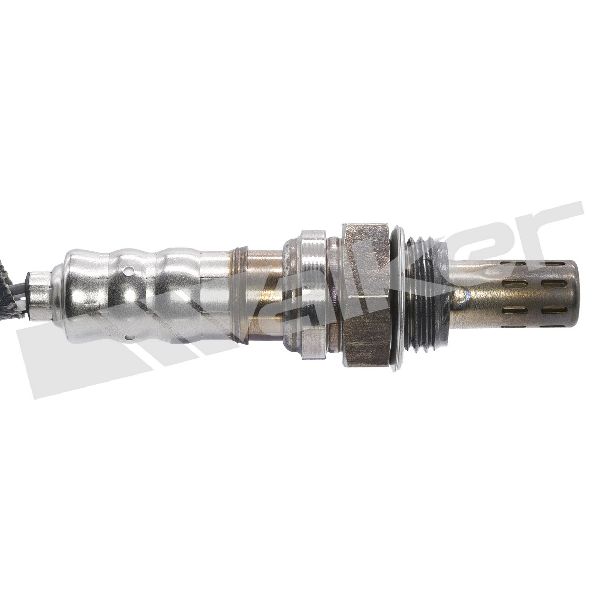
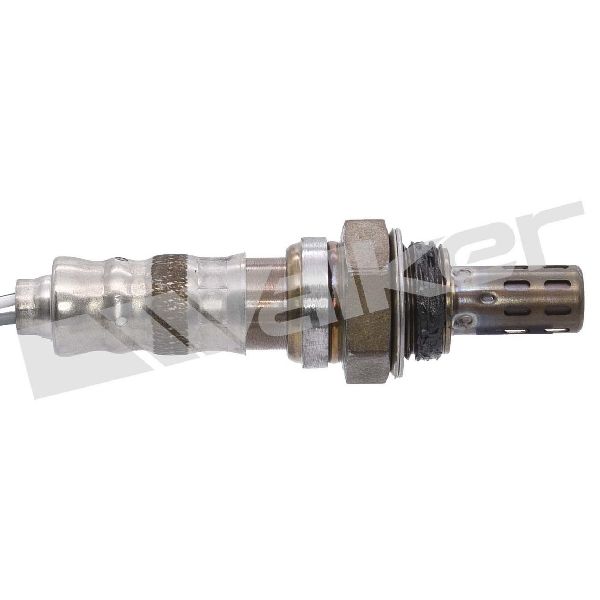
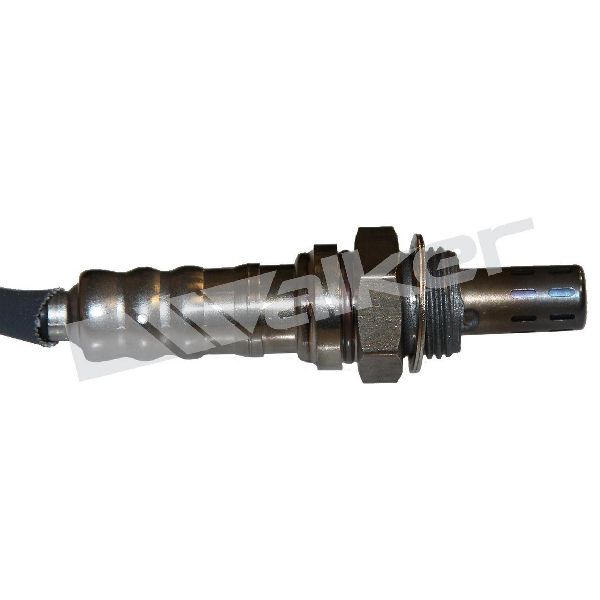
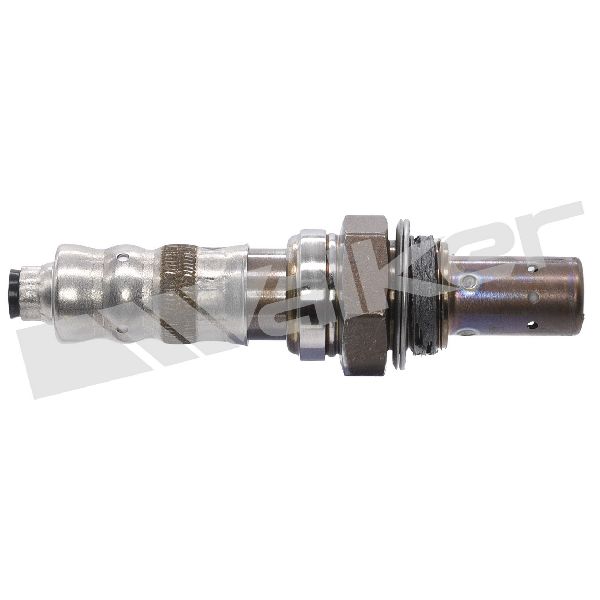
- Standard Aftermarket: Brands like Walker Products and DriveWire offer a more budget-friendly option. These are functional replacements that meet basic specifications and can be a good choice if cost is the primary concern, but they may not have the same lifespan or precise calibration as the top-tier brands.
Upstream vs. Downstream Sensors
Your Voyager has four sensors. It's critical to buy the correct one. They are identified by location:
- Bank 1: The side of the engine with cylinder #1 (the rear cylinder bank, closer to the firewall on the Voyager).
- Bank 2: The side of the engine with cylinder #2 (the front cylinder bank, closer to the radiator). 🎬 See how to replace Bank 2 upstream and downstream sensors.
- Sensor 1: Upstream sensor, before the catalytic converter.
- Sensor 2: Downstream sensor, after the catalytic converter.
For example, code P0157 refers to 'Bank 2, Sensor 2'. 🎬 Watch this diagnostic guide for fixing a P0157 code. Always confirm the part's fitment notes, as wire harness lengths can differ between locations.
Cost to Replace a Chrysler Voyager Oxygen Sensor
| Part Type | Estimated Cost |
|---|---|
| New Aftermarket Part | $40 - $78 |
| New OEM Part (Mopar) | $80 - $150 |
| Shop Labor | $75 - $150 |
| Total Professional Replacement | $120 - $300 (per sensor) |
Frequently Asked Questions
Can I replace just one oxygen sensor?
Yes. Oxygen sensors can be replaced one at a time. You only need to replace the specific sensor that has failed and triggered the check engine light. There is no need to replace them all at once unless multiple sensors are failing.
Is this a difficult DIY job?
For an experienced DIYer, this is a manageable job. It requires safely jacking up the vehicle and using a special oxygen sensor socket. 🎬 Watch a walkthrough for replacing an upstream O2 sensor. The biggest challenge is often rust, which can make the old sensor very difficult to remove. Soaking the sensor in penetrating oil beforehand is highly recommended.
What tools are needed to replace an oxygen sensor?
You will need a jack and jack stands, a socket set, penetrating oil, and a special oxygen sensor socket. This socket has a slot cut into the side to fit over the sensor's wire. Sometimes an O2 sensor thread chaser is also helpful to clean the threads before installing the new part.
What happens if I don't replace a bad oxygen sensor?
You will not be able to pass an emissions test with the check engine light on. Your vehicle will also continue to have poor fuel economy and may experience long-term damage to the catalytic converter, which is a much more expensive repair.
Helpful Videos

Technical Specifications
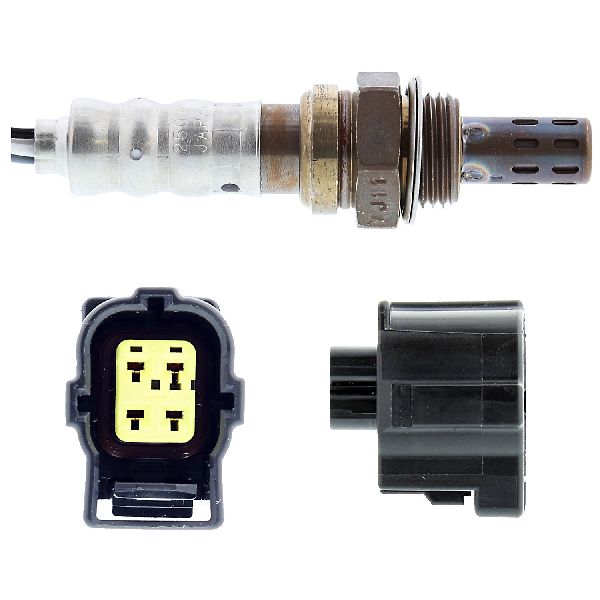
OEM Part Numbers: 68224424AA 68291423AB 05149180AA
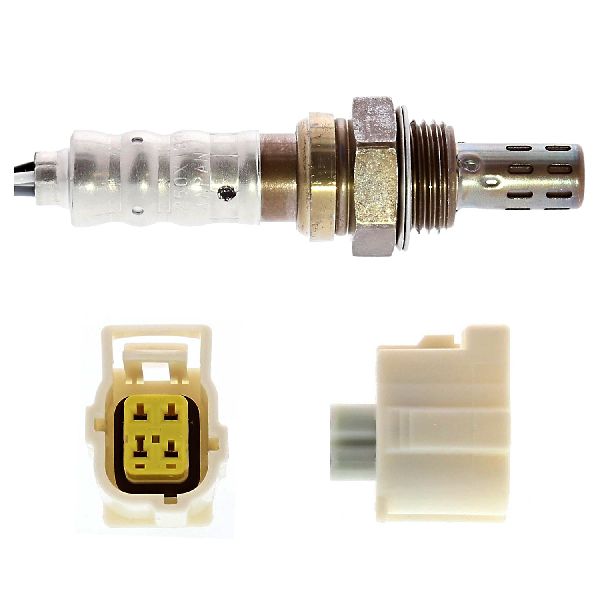
The 3.6L Pentastar V6 engine uses four heated, 4-wire oxygen sensors. There are two upstream (pre-catalyst) and two downstream (post-catalyst) sensors. Part numbers may vary based on wire harness length for each specific location.
We Have This Part in Stock

The information in this article is provided for general reference and educational purposes only. Vehicle specifications, procedures, and part compatibility can vary by production date, trim level, and region. Always consult your vehicle's factory service manual and verify part numbers before purchasing or performing repairs. Safety-critical components such as airbags, seat belts, and braking systems should be installed by a qualified professional.
- Chrysler Voyager:
- 🎬 Helpful Videos
- 🛍️ Shop This Part
- Is Your Voyager's Oxygen Sensor Failing?
- Key Symptoms of a Bad O2 Sensor:
- Known Issues for the Chrysler Voyager
- Choosing the Right Aftermarket Oxygen Sensor
- Brand Quality Tiers
- Upstream vs. Downstream Sensors
- Cost to Replace a Chrysler Voyager Oxygen Sensor
- Frequently Asked Questions
- 🎟️ Get 5% Off