

Dodge Durango 2020-2024 Engine Camshaft Position Sensor Guide
If your Durango is running rough, stalling, or has a check engine light, a bad camshaft sensor could be the problem.
- Your Durango has at least two camshaft sensors; use an OBD-II scanner to identify which one is faulty (Bank 1 or Bank 2).
- Symptoms are serious and include stalling, rough idle, and a no-start condition.
- Replacement is a simple job for a DIYer, typically involving one bolt and a connector, but access can be tight.
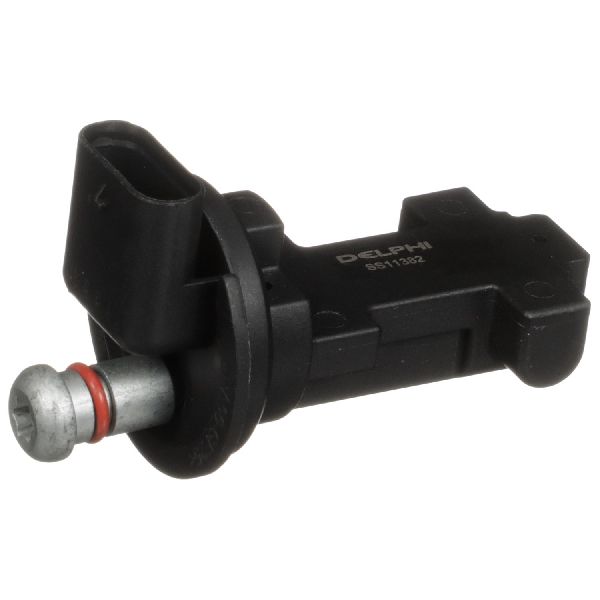
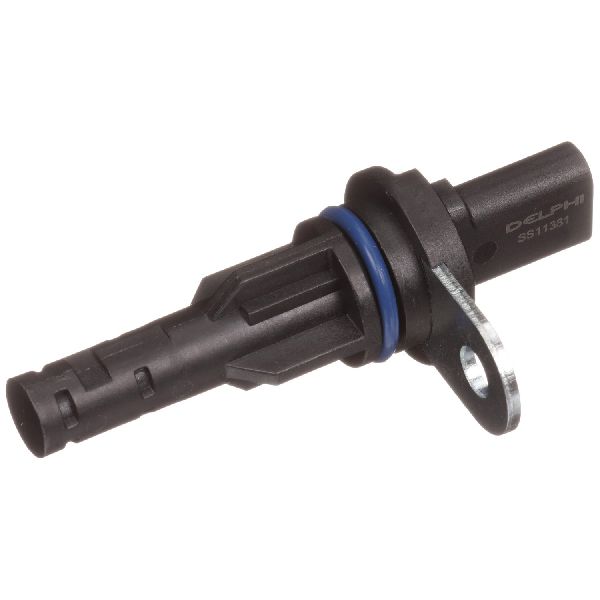
- Choose a premium aftermarket brand like Delphi, NGK, or Standard Ignition for a reliable repair without the high cost of an OEM part.
Is Your Durango's Camshaft Position Sensor Failing?
A failing camshaft position sensor will almost always turn on your Check Engine Light. You will likely notice other serious problems with how your Durango drives. The engine might have a rough, shaky idle, or it might stall completely when you stop or even while you're driving. You may also find that the engine is hard to start, or it just cranks without starting at all. A loss of power, poor acceleration, and worse gas mileage are also common signs.
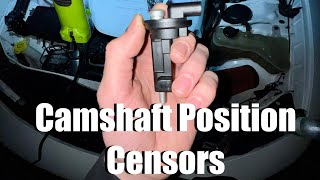
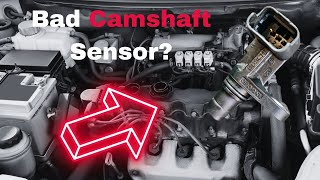
🎬 Watch: 7 telltale signs of a bad camshaft position sensor.Known Issues for 2020-2024 Dodge Durango
While there are no widespread recalls specifically for the camshaft position sensor on these model years, some Technical Service Bulletins (TSBs) exist for related issues. For example, TSB #9100143 was issued for some 2020 models with the Pentastar engine, which could set a P0300 code and required a camshaft replacement, not just a sensor. Another TSB, #S1709000010, also references the crank/camshaft sensor for the 2020 model year. These bulletins are for technicians and show that the manufacturer is aware of some issues in this area. For most owners, the problem is simply a sensor that has failed with age.
Choosing the Right Aftermarket Sensor
When it comes to engine sensors, quality matters. While a cheap part is tempting, it can fail to fix the problem or wear out quickly, leaving you with the same check engine light. It is often best to choose a brand known for quality electronics.
- Premium Aftermarket (OEM-Equivalent): Brands like Delphi, NGK (NTK), and Standard Ignition (SMP) are well-regarded choices. They are often original equipment suppliers for many carmakers and their parts are built to high standards, sometimes even improving on the original factory design. These are a solid choice for reliability without paying the full dealership price.
- Quality Aftermarket: Brands like Dorman and Hitachi offer a good balance of price and quality. Dorman is known for creating "OE FIX" parts that sometimes address common failure points in the original design. They are a very common and generally reliable choice for most repairs.
- Value Options: Brands like Walker Products, Spectra, and others offer a budget-friendly option. These can be a good choice for an older vehicle or if cost is the primary concern, but be aware that quality can be less consistent than with premium brands.
Cost at a Glance
| Part Type | Price Range | Notes |
|---|---|---|
| New Aftermarket | $19.61 - $57.95 | Your cost for the part itself. Price varies by brand. |
| New OEM (Mopar) | $53 - $157 | Price from a Dodge dealership parts counter. |
| Shop Labor | $100 - $200 | Estimated cost for a mechanic to install one sensor. |
| Total Professional Replacement | $150 - $350+ | Total estimated cost for parts and labor at a repair shop. |
Frequently Asked Questions
How many camshaft sensors does my Durango have? 🎬 Watch: Step-by-step replacement for the Pentastar 3.6L V6 engine.
Both the 3.6L V6 and the 5.7L HEMI V8 engines in the 2020-2024 Durango are V-type engines with multiple camshafts. They have at least two camshaft position sensors, one for each cylinder bank (Bank 1 and Bank 2). Some configurations may have up to four sensors (one for each intake and exhaust camshaft). It is crucial to use an OBD-II scanner to read the specific trouble code (e.g., P0340 for Bank 1 or P0345 for Bank 2 🎬 See how to locate and test sensors on 5.7L engines.) to know which sensor has failed.
Can I replace this sensor myself?
Yes, this is a DIY-friendly job for many people. The sensor is usually held in by a single 10mm bolt and is a simple plug-and-play part. The biggest challenge is access. On some models, you may need to remove the plastic engine cover or a wheel well liner to reach the sensor. There are many online videos showing the location and replacement process for your specific engine.
Should I buy an OEM Mopar sensor or an aftermarket one?
For sensors, using a quality part is key. While an OEM Mopar sensor is always a safe bet, a premium aftermarket brand like Delphi, NGK, or Standard Ignition will perform just as well for less money. Some owners in forums have reported fixing persistent codes by switching from a cheap aftermarket sensor to an OEM or premium aftermarket part.
What happens if I don't replace a bad sensor?
You should not ignore this problem. Continuing to drive with a bad camshaft sensor can leave you stranded if the engine stalls and won't restart. It also causes poor fuel economy, increased emissions, and can potentially lead to damage to other components like your catalytic converter over time due to unburned fuel in the exhaust.
Helpful Videos

Technical Specifications
OEM Part Numbers: 5149141AF 5149054AC
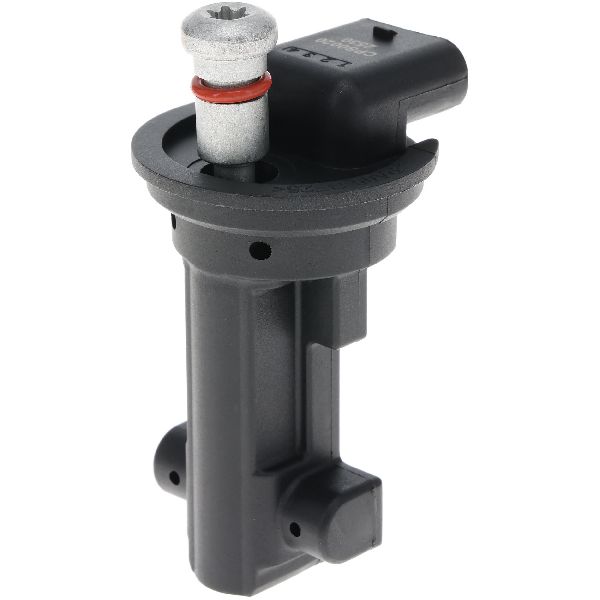
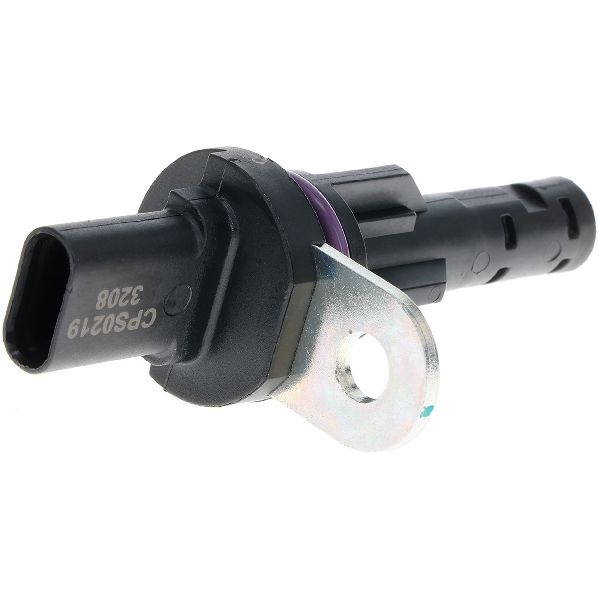
The sensor is a 3-pin Hall Effect sensor that generates a digital square wave signal for the PCM. It is crucial to match the part to your specific engine (3.6L V6 or 5.7L V8) and the correct bank/position.
We Have This Part in Stock


The information in this article is provided for general reference and educational purposes only. Vehicle specifications, procedures, and part compatibility can vary by production date, trim level, and region. Always consult your vehicle's factory service manual and verify part numbers before purchasing or performing repairs. Safety-critical components such as airbags, seat belts, and braking systems should be installed by a qualified professional.
- Dodge Durango: