

Jeep Wrangler (2020-2024) Oxygen Sensor: A Complete Guide
Is your Jeep's check engine light on? Here’s what you need to know about a failing oxygen sensor.
- A check engine light with poor fuel economy or a rough idle are classic signs of a bad O2 sensor.
- For the 2020-2024 Wrangler, using an OEM Mopar sensor is highly recommended to prevent compatibility issues.
- Be aware of TSBs for 2024 models; a recurring O2 sensor failure may require a dealer software update, not just another new sensor.
- Replacing a sensor is a manageable DIY job with a special O2 sensor socket, but seized sensors can be difficult to remove.
Understanding Oxygen Sensor Failure in Your Wrangler

The oxygen sensors in your 2020-2024 Jeep Wrangler play a vital role in engine performance and emissions. When one fails, it can cause noticeable problems. The most common sign is the check engine light turning on. You might also notice your Jeep running rough, getting worse gas mileage, or even smelling like rotten eggs from the exhaust.
Known Issues for 2020-2024 Wranglers
Some 2024 Jeep Wranglers with the 3.6L engine have shown a pattern of repeat oxygen sensor failures. Technical Service Bulletins (TSBs) have been issued for PCM software updates to address issues that can cause O2 sensor circuit high voltage codes (like P0152, P0158). Some owners report that an overvoltage condition from the vehicle's computer may be damaging the sensors. This means replacing the sensor might not be a permanent fix if the root cause is not addressed, which may require a dealer visit for a software update.
Choosing the Right Aftermarket Oxygen Sensor

When your O2 sensor fails, you have a choice between OEM (Mopar) and aftermarket parts. For many parts, aftermarket is a great way to save money. However, with modern, computer-controlled vehicles like the JL Wrangler, the choice is more complex.
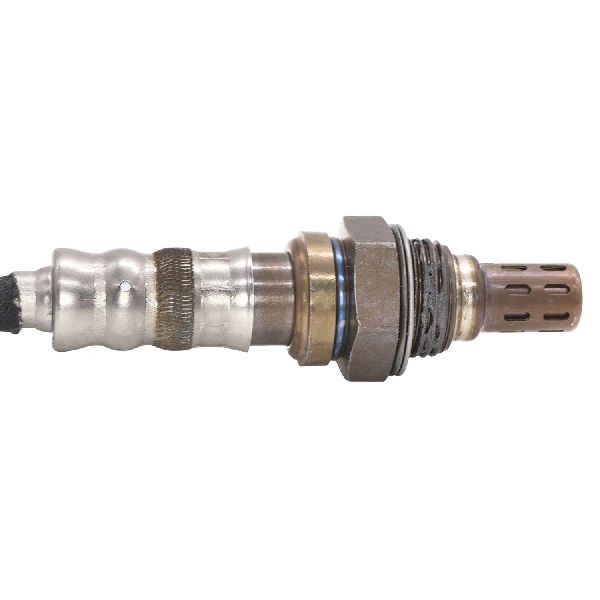
- Mopar (OEM): This is the original part your Jeep came with. Many experienced owners and mechanics recommend sticking with Mopar sensors for this specific vehicle. They argue that because the engine's computer is so sensitive, an OEM part is the best way to avoid compatibility issues or "software gremlins."
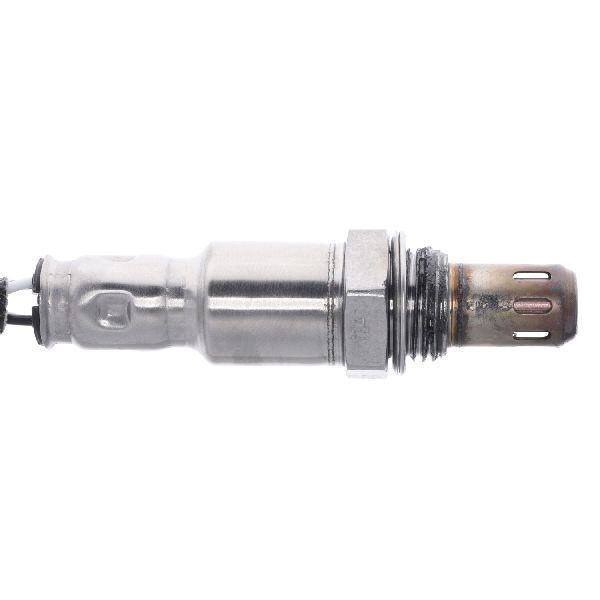
- Bosch: Bosch is a massive, well-respected company that makes original parts for many car brands. They are generally considered a top-tier aftermarket choice, offering quality that often meets or exceeds OE specifications. For a Wrangler, it's a high-quality option if an OEM part isn't available.
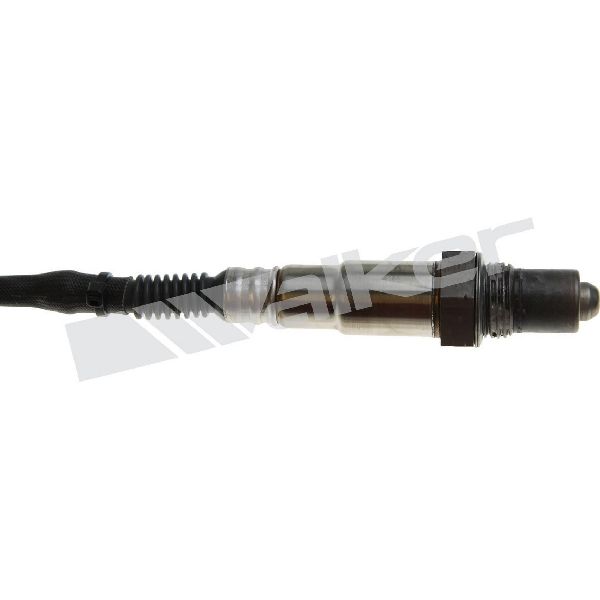
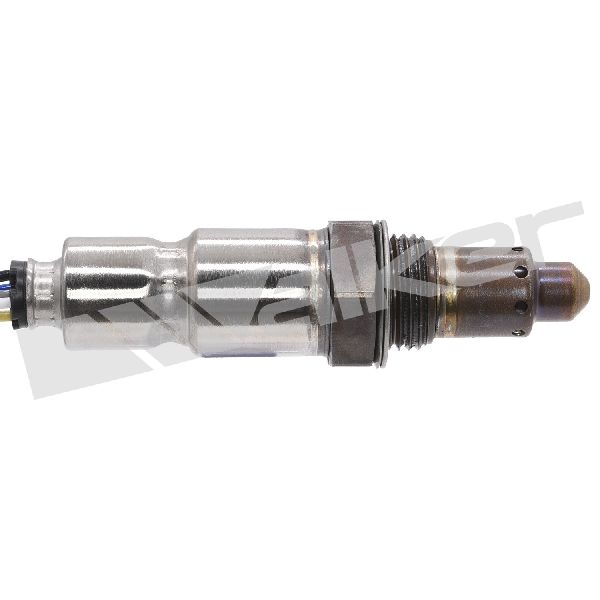
- Walker Products: Walker is a popular aftermarket brand known for providing a more budget-friendly alternative. Their parts are designed to be a direct fit and can be a good value. However, some forum users have reported mixed long-term reliability with value-focused brands compared to OEM or premium aftermarket options.
Pro Tip: Given the known electrical sensitivity of this system in some Wranglers, using an OEM Mopar sensor is the safest bet to avoid repeat failures or new error codes.
Oxygen Sensor Replacement Cost (2020-2024 Jeep Wrangler)
The cost depends on whether you do the work yourself or take it to a shop. Your Wrangler has four O2 sensors, and the price can vary slightly depending on the location (upstream/downstream, left/right bank).
| Item | Estimated Cost |
|---|---|
| New OEM (Mopar) Part | $75 - $115 per sensor |
| New Aftermarket Part | $78 - $158 per sensor |
| Shop Labor | $95 - $140 |
| Total Professional Replacement | $270 - $375 (per sensor) |
Frequently Asked Questions


How many oxygen sensors does my Wrangler have?
Most Jeep Wranglers with a V6 or I4 engine have four oxygen sensors. There are two upstream (before the catalytic converter) and two downstream (after the catalytic converter). This setup includes one of each for the left and right banks of the engine (or equivalent positions on an inline engine).
What tools do I need to replace an O2 sensor?
The most important special tool is an oxygen sensor socket. This socket has a slit down the side to fit over the sensor's wire. You will also likely need a ratchet, extensions, and potentially penetrating oil if the old sensor is rusted in place. To access the sensors, you may need to remove the inner fender liner, which requires basic hand tools to remove plastic clips and fasteners.
What's the difference between upstream and downstream sensors?
Upstream sensors (Bank 1 Sensor 1, Bank 2 Sensor 1) are located before the catalytic converter. Their main job is to provide real-time feedback to the engine computer to adjust the air-fuel ratio. Downstream sensors (Bank 1 Sensor 2, Bank 2 Sensor 2) are located after the catalytic converter. Their job is to monitor the converter's efficiency by measuring how much oxygen is left after the exhaust has been treated. They have different part numbers and are not interchangeable.
Why did my new O2 sensor fail so quickly?
On 2020-2024 Wranglers, premature failure might not be a sensor quality issue. There are known issues where the vehicle's computer can send an overvoltage signal, damaging the new sensor's internal heater. If you have replaced a sensor and it fails again quickly, your Jeep may need a powertrain control module (PCM) software update from a dealer to fix the root cause.
Helpful Videos
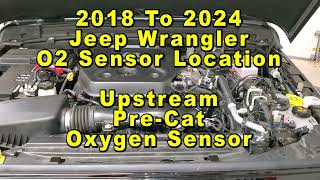
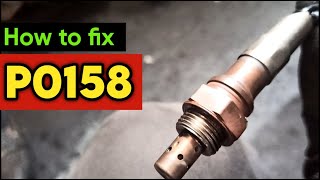
![How to Fix P0158 Engine Code in 3 Minutes [2 DIY Methods / Only $8.92]](https://img.youtube.com/vi/8_eKg-uT8SE/mqdefault.jpg)
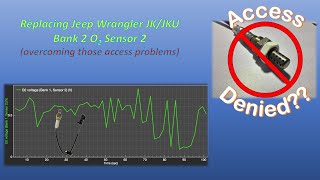
Technical Specifications
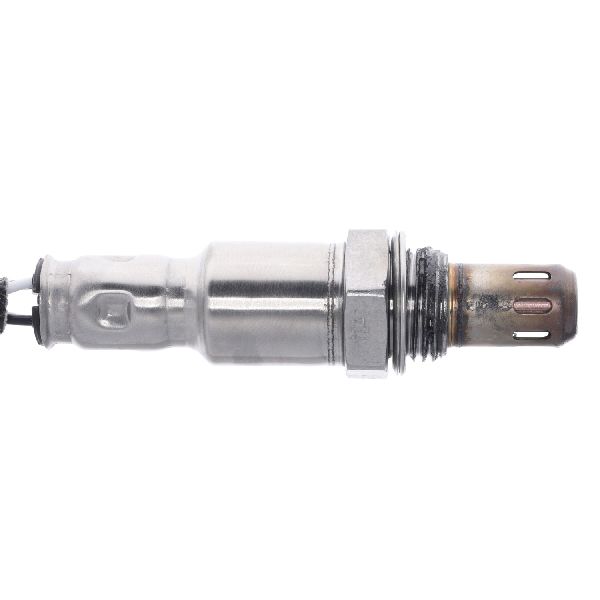
OEM Part Numbers: 68250166AA 68504056AA 68224424AA 68291423AB
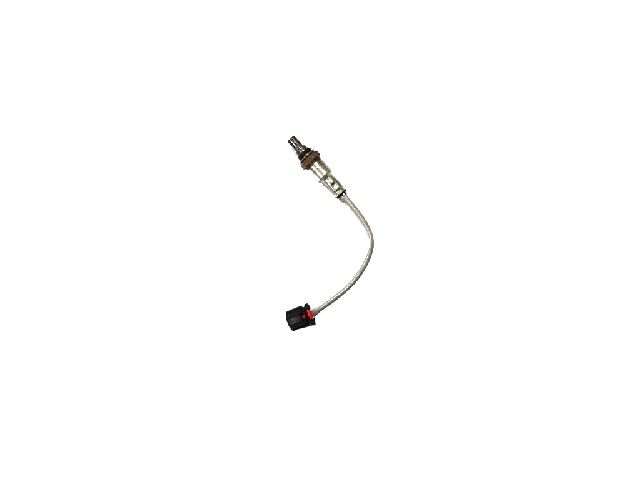
Your Wrangler uses heated, 4-wire oxygen sensors. Part numbers are specific to the engine (2.0L Turbo, 3.6L V6, 4xe) and the sensor's position (upstream/downstream, left/right). Always verify the exact part number for your vehicle's VIN before ordering.
We Have This Part in Stock

The information in this article is provided for general reference and educational purposes only. Vehicle specifications, procedures, and part compatibility can vary by production date, trim level, and region. Always consult your vehicle's factory service manual and verify part numbers before purchasing or performing repairs. Safety-critical components such as airbags, seat belts, and braking systems should be installed by a qualified professional.
- Jeep Wrangler: