

Mazda CX-30 (2020-2024) Ignition Knock Sensor: A Complete Guide
Understanding the knock sensor in your CX-30 and how to choose the right replacement.
- A bad knock sensor on a CX-30 will most likely cause a check engine light and reduced engine power.
- Replacement is labor-intensive due to the sensor's location under the intake manifold, making labor the most expensive part of the job.
- There are no recalls or common, widespread failures of this part reported for the 2020-2024 CX-30.
- Using a quality aftermarket brand like Standard Ignition or Beck Arnley is recommended to avoid repeating a labor-heavy repair.
Is Your CX-30 Showing Signs of a Bad Knock Sensor?
A failing knock sensor won't usually leave you stranded, but it will cause problems. The engine's computer relies on this sensor to run the engine at its best. When the sensor's signal is gone or incorrect, the computer will switch to a 'safe' mode, reducing ignition timing to prevent any possible damage. This results in noticeable performance issues.
Symptoms of a Failing Knock Sensor
Because the 2020-2024 Mazda CX-30 is a newer vehicle, widespread knock sensor failure is not common. However, like any electronic part, it can fail. If it does, you will likely experience one or more of the following:
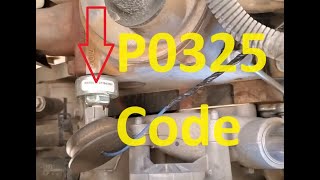
- Check Engine Light: This is the most common symptom. A fault in the knock sensor circuit will trigger a diagnostic trouble code (DTC), such as P0325, P0326, or P0327, and illuminate the light on your dash. 🎬 Watch: How to diagnose a P0325 knock sensor fault code.
- Reduced Engine Power: Your CX-30 may feel sluggish and slow to accelerate. This is due to the ECU running in a safe, low-power mode.
- Worse Fuel Economy: With the engine not running at optimal timing, you'll likely notice you're filling up the tank more often.
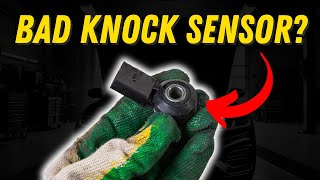
- Engine Pinging or Knocking: In some cases, you might hear a metallic pinging or tapping sound, especially during acceleration or when the engine is under load. This is the sound of the detonation 🎬 See this breakdown of bad knock sensor symptoms and costs. that the sensor is supposed to be detecting.
Could It Be Something Else?
Before blaming the knock sensor, check for other issues. A rattling noise on a Mazda can sometimes be caused by a loose hood prop rod, an issue noted in a Technical Service Bulletin (TSB) for the related Mazda 3. Also, ensure your engine has the correct oil level, as low oil pressure can cause knocking sounds. For 2021-2022 Turbo models, a TSB exists for faulty exhaust valve stem seals causing oil consumption, which could also lead to engine issues.
Choosing the Right Aftermarket Knock Sensor
For the 2020-2024 Mazda CX-30, there are no specific recalls or widespread TSBs for knock sensor failure. When choosing a replacement, you are balancing cost against quality and peace of mind. Since replacing the sensor requires significant labor (the intake manifold often needs to be removed), choosing a quality part to avoid doing the job twice is recommended.
Brand Tiers
- Premium Aftermarket (Beck Arnley, Standard Ignition): These brands are well-known in the industry. Standard Ignition (SMP) has a long history of producing reliable electronic components. Beck Arnley often sources parts from various manufacturers, and you might even get a re-boxed OEM part. However, quality can sometimes be inconsistent. For a critical and labor-intensive part like this, these brands represent a solid balance of cost and expected quality.
- Economy (Global Parts): The brand "Global Parts" has a mixed and unclear reputation, with reviews often pointing to different companies. Brands in this category are typically the cheapest option but may carry a higher risk of premature failure or fitment issues. Given the labor involved in this specific repair, an economy brand might be a false saving if it fails early.
Cost to Replace the Knock Sensor on a Mazda CX-30
The total cost depends on the part you choose and who does the work. The sensor itself is relatively inexpensive, but labor can be the biggest expense due to its location under the intake manifold.
| Part/Service | Estimated Cost |
|---|---|
| New Aftermarket Knock Sensor | $31.78 - $57.59 |
| Shop Labor | $200 - $400 |
| Total Estimated Cost (DIY) | $31.78 - $57.59 |
| Total Estimated Cost (Shop) | $230 - $460 |
Frequently Asked Questions
Can I drive my CX-30 with a bad knock sensor?
Yes, but it's not recommended for long. The engine will be in a protected mode with reduced power, and it won't be protected from harmful detonation. You should get it diagnosed and repaired as soon as possible to prevent potential long-term engine damage.
Where is the knock sensor located on the 2020-2024 Mazda CX-30?
The knock sensor is bolted directly to the engine block. On many modern four-cylinder engines, including Mazda's Skyactiv engines, it is located underneath the intake manifold, making it difficult to access without removing other components.
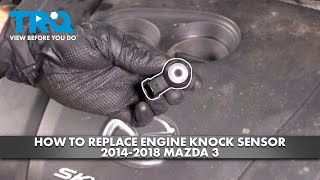
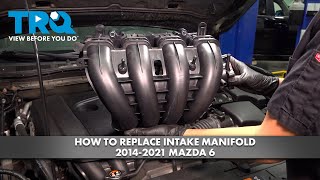
🎬 Watch: This walkthrough shows how to replace a Mazda knock sensor.Will using the wrong fuel cause a knock sensor code?
Using a lower-octane fuel than recommended can cause engine knock, which the sensor will detect. This will cause the ECU to retard timing and reduce power, but it usually won't trigger a sensor fault code like P0325. A persistent fault code points to a problem with the sensor or its wiring, not the fuel.
Are there any recalls for the CX-30 knock sensor?
No. As of early 2026, there are no recalls or specific service campaigns from Mazda for the ignition knock sensor on the 2020-2024 CX-30.
Helpful Videos
Technical Specifications
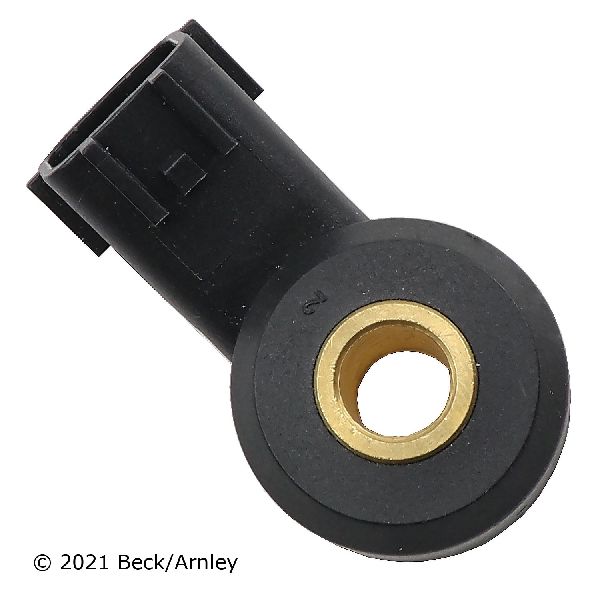
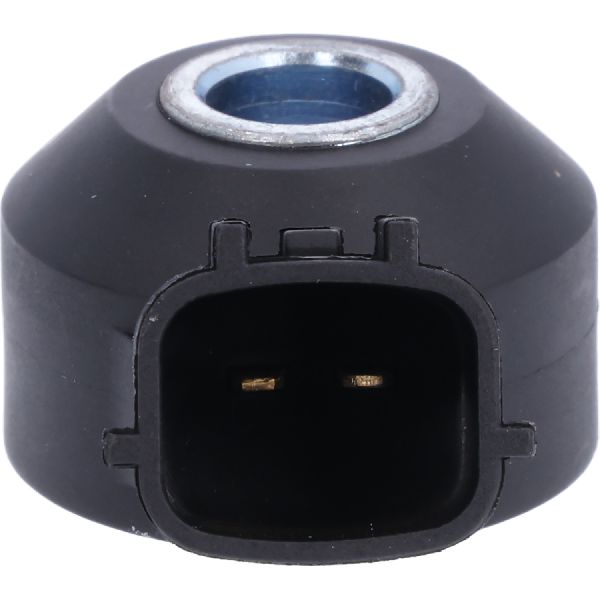
The knock sensor for the Mazda CX-30 is a piezoelectric sensor designed to detect specific frequencies associated with engine detonation. It is a single-bolt mount and typically has a two-wire connector.
We Have This Part in Stock


The information in this article is provided for general reference and educational purposes only. Vehicle specifications, procedures, and part compatibility can vary by production date, trim level, and region. Always consult your vehicle's factory service manual and verify part numbers before purchasing or performing repairs. Safety-critical components such as airbags, seat belts, and braking systems should be installed by a qualified professional.
- Mazda CX-30: