

A Guide to Replacing Engine Mounts on the 2020-2024 Nissan Altima
Experiencing vibrations or hearing clunks? Your Altima's engine mounts might be the culprit.
- The most common signs of failure are heavy vibration at idle and clunking noises during acceleration.
- A TSB (NTB19-041) exists for a popping noise on some 2019 2.5L models, fixed by replacing the left engine mount.
- Aftermarket brands like Anchor and DEA offer significant savings but have mixed reviews on quality and longevity compared to OEM parts.
- Replacing the upper 'dog bone' mount is an easy DIY job, while other mounts require supporting the engine and are more complex.
Is Your Altima Shaking? Signs of a Bad Engine Mount

When an engine mount fails, the signs are hard to ignore. The rubber cracks or the internal fluid leaks, and it can no longer do its job. You will likely notice one or more of these symptoms:
🎬 Watch: How to identify and test for failed motor mounts.- Excessive Vibration: This is the most common sign. You'll feel a deep vibration through the steering wheel, seats, or the entire car, especially when idling in Drive or Reverse.
- Loud Noises: Listen for clunking, banging, or thudding sounds when you accelerate, brake, or put the car into gear. This is the sound of the engine moving too much and hitting other parts.
- Jerky Feeling: The car might feel like it's lurching or jerking when you accelerate or between gear shifts. This happens because a bad mount allows the engine to twist before power gets to the wheels.
- Visible Engine Movement: If you have a helper safely rev the engine while the car is in Park, you might see the engine rock or lift excessively. An engine should not move more than an inch or two.
Known Issue for 2019-2020 Models
Nissan issued a Technical Service Bulletin (TSB NTB19-041) for some 2019 Altimas with the 2.5L engine that make a "creak or pop noise" when turning while accelerating or decelerating. The official fix is to replace the left-side engine mount. Additionally, a major recall was issued for some 2019-2020 Altimas with the 2.0L VC-Turbo engine for defective internal engine bearings, which can lead to engine failure.
Choosing an Aftermarket Engine Mount: What to Know

When replacing a failed engine mount, you have a choice between original equipment (OEM) from Nissan and aftermarket parts from brands like Anchor or DEA. There are important differences to consider.
- OEM (Original Equipment Manufacturer): These are the same parts your Altima was built with. They offer the best fit and ride quality but are the most expensive option.
- Aftermarket (Anchor, DEA): These brands provide a much more affordable alternative. However, quality can be inconsistent. Some users report these mounts fail much faster than OEM parts or are made of harder rubber, which can cause more cabin vibration. Others use them without any issues. Aftermarket mounts are a good budget-friendly choice, especially for easier-to-replace mounts like the upper torque strut.
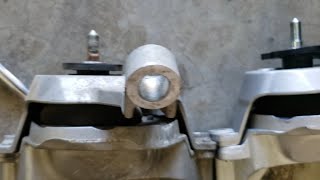
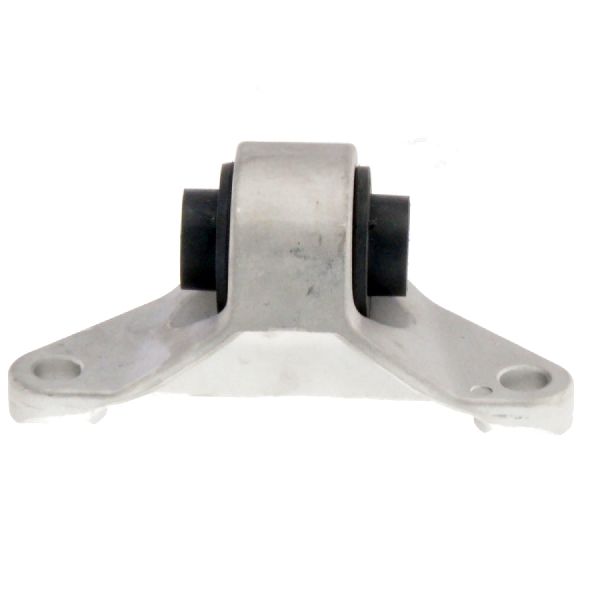
Pro Tip: Many Altima owners have multiple engine mounts. The most common one to fail and the easiest to replace is the upper torque mount, often called a "dog bone." If you're on a budget and doing the work yourself, starting with an aftermarket version of this mount can be a cost-effective first step.
How Much Does an Engine Mount Replacement Cost?
The total cost depends on which mount needs replacing, the part brand you choose, and labor rates in your area. The upper mount is quick to replace, while the side and rear mounts 🎬 See how to replace the passenger side and torque mounts. require more labor.
| Item | Estimated Cost |
|---|---|
| New OEM Part | $160 - $315 (per mount) |
| New Aftermarket Part (Anchor, DEA) | $51 - $145 (per mount) |
| Shop Labor | $110 - $161 (per mount) |
| Total Professional Replacement (1 Aftermarket Mount) | $161 - $306 |
| Total Professional Replacement (1 OEM Mount) | $317 - $368 |
Frequently Asked Questions

How many engine mounts does my 2020-2024 Altima have?
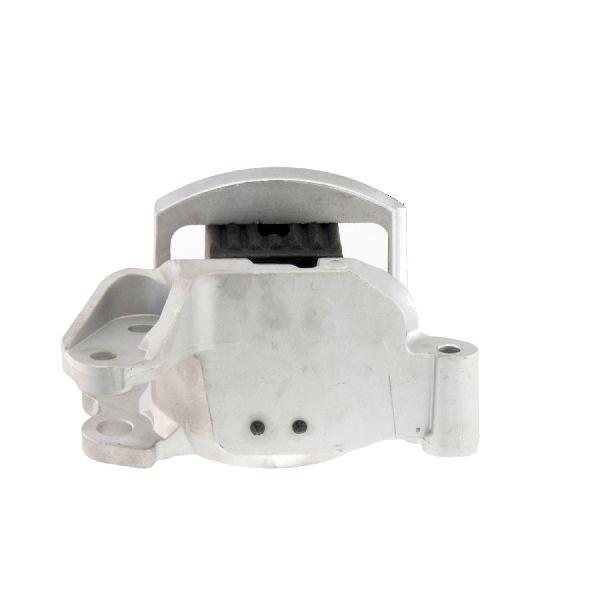
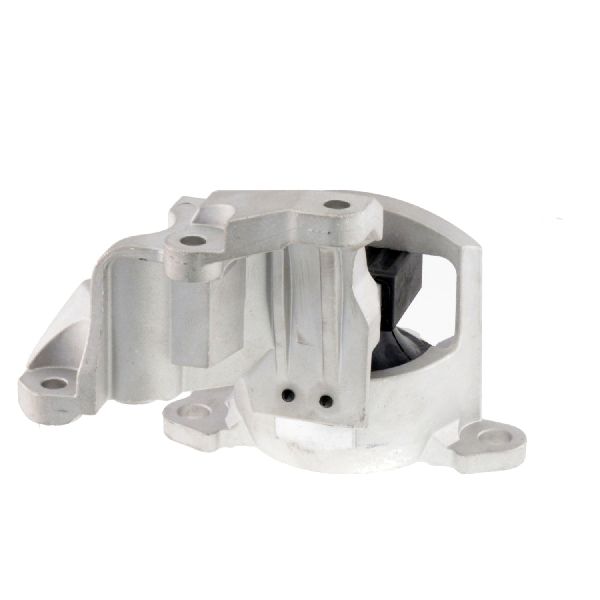
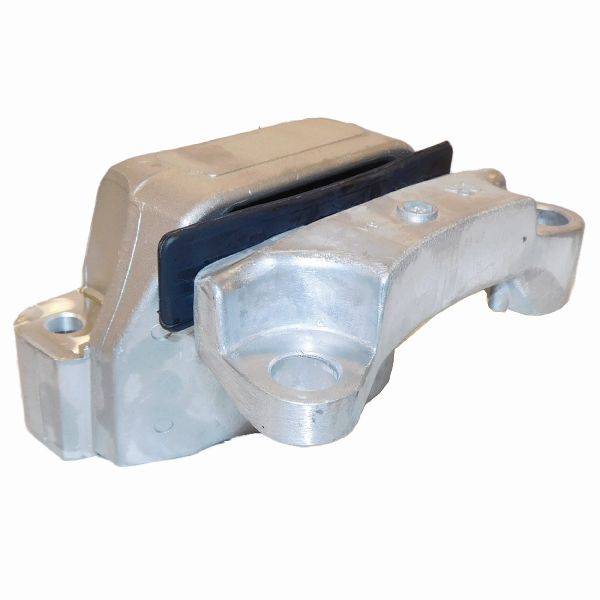
Nissan Altimas typically have four main mounts: a passenger side mount, a driver side (transmission) mount, a rear mount, and an upper torque strut mount on top of the engine.
Can I replace the engine mounts myself?
Yes, it is possible for a DIYer. The upper torque mount is very easy and requires basic hand tools. 🎬 Watch: A quick walkthrough for replacing the upper torque mount. The other mounts are more difficult and require safely supporting the engine with a floor jack and a block of wood while you work. If you are not comfortable with this, it is best to leave it to a professional.
Should I replace all the mounts at once?
It's a good idea, but not always necessary. When one mount fails, it puts extra stress on the others, which can cause them to fail sooner. If your budget allows and you're already paying for labor, replacing them as a set can save you money in the long run. If doing it yourself, you can replace them one at a time as they fail.
Why does my car vibrate more after installing a new aftermarket mount?
This can happen with some budget-friendly aftermarket mounts. They are sometimes made with a harder rubber compound than the original OEM parts. While this makes them durable, it can transmit more of the engine's natural vibrations into the car's cabin.
Helpful Videos
Technical Specifications
OEM Part Numbers: 11210-6CA0A (Right Side Mount, 2.5L) 11220-6CA0D (Left Side Mount, 2.5L) 11360-6CA0B (Rear Mount, 2.5L/2.0L) 11350-6CA0A (Torque Rod, 2.5L) 11220-6CA0B (Left Side Mount, TSB Part for 2019 2.5L) 11210-6CB0B (Right Side Mount, 2.0L) 11220-6CB0C (Left Side Mount, 2.0L)
The 2020-2024 Nissan Altima uses a system of multiple mounts, including a right side mount, a left side (transmission) mount, a rear mount, and an upper torque rod. Most are a combination of steel or aluminum and rubber; some may be hydraulic (fluid-filled). The specific part number varies based on engine size (2.5L or 2.0L Turbo) and model year.
We Have This Part in Stock

The information in this article is provided for general reference and educational purposes only. Vehicle specifications, procedures, and part compatibility can vary by production date, trim level, and region. Always consult your vehicle's factory service manual and verify part numbers before purchasing or performing repairs. Safety-critical components such as airbags, seat belts, and braking systems should be installed by a qualified professional.
- Nissan Altima: