

A Guide to Oxygen Sensor Replacement for the 2020-2024 Nissan Altima
Fix your check engine light and poor gas mileage by understanding and choosing the right oxygen sensor for your Altima.
- You must identify the correct sensor before ordering: Bank 1 vs. Bank 2 and Upstream vs. Downstream.
- For best results and to avoid repeat repairs, use high-quality aftermarket brands like Denso or NGK (NTK).
- Do not use 'universal' sensors; a direct-fit part is required for proper function on your Altima.
- Ignoring a bad O2 sensor can lead to very expensive catalytic converter damage.
Understanding Oxygen Sensor Failure in Your Altima

An oxygen sensor is a key component that helps your 2020-2024 Nissan Altima run efficiently. When one fails, it typically triggers the Check Engine Light and can negatively impact your car's performance and fuel economy. These sensors have a limited lifespan, usually around 60,000 to 100,000 miles, as they are exposed to extreme heat and exhaust gases. Ignoring a failing sensor can lead to more severe and expensive problems, such as damage to the catalytic converter, which is a very costly repair.
Symptoms of a Bad Oxygen Sensor

- Check Engine Light: This is the most common indicator. Codes like P0131, P0132, P0137, or P0138 often point to a faulty oxygen sensor.
- Poor Fuel Economy: The engine may use more fuel than necessary because the air-fuel mixture is not being properly regulated.
- Rough Idle and Poor Performance: Your Altima may hesitate during acceleration or run roughly when stopped.
- Rotten Egg Smell: A failing sensor can lead to an inefficient catalytic converter, producing a sulfur-like smell from the exhaust.
- Failed Emissions Test: A bad downstream sensor will likely cause your vehicle to fail a smog check.
Don't Ignore a Failing Sensor
While you can drive with a bad O2 sensor, it's not recommended for long. Doing so will result in poor gas mileage and can eventually destroy your catalytic converter, turning a relatively small repair into a very expensive one.
Choosing the Right Aftermarket Oxygen Sensor

For the 2020-2024 Nissan Altima, choosing a quality aftermarket sensor is crucial. The engine's computer is sensitive to the signals these sensors provide, and low-quality parts can cause persistent check engine lights or perform poorly. It is highly recommended to avoid 'universal' sensors and use direct-fit models.
Brand Quality Tiers
- Top Tier (OEM Equivalent): Denso & NGK (NTK)
Both Denso and NGK (which markets sensors under the NTK brand) are well-known original equipment manufacturers for Nissan and other Japanese automakers. Choosing one of these brands is the closest you can get to buying the original part from the dealer. They provide the best reliability and are recommended by mechanics and owners to avoid compatibility issues. - Mid-Tier (Quality Aftermarket): Walker Products
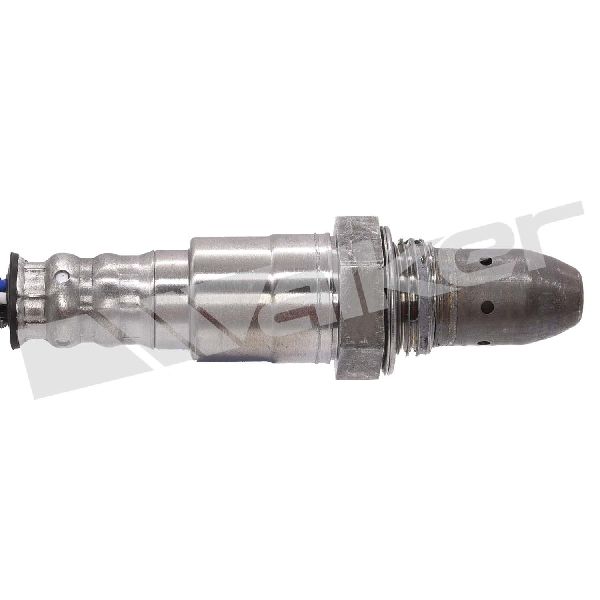
Walker Products is a reputable aftermarket brand that offers a balance between cost and quality. While generally reliable, some professional installers prefer to stick with Denso or NGK for modern Nissans to guarantee a one-time fix. If you are on a tighter budget, Walker is a viable option that is superior to no-name online parts.
Ordering the Correct Sensor
Your Altima has multiple oxygen sensors. The 2.5L engine has four sensors in total. It is essential to identify which one needs replacing. A code scanner will point to "Bank 1" or "Bank 2" and "Sensor 1" (upstream) or "Sensor 2" (downstream). On the Altima's 2.5L engine, Bank 1 is toward the firewall, and Bank 2 is toward the radiator. Always verify the location before ordering.
Estimated Costs
| Part Type | Estimated Cost |
|---|---|
| New Aftermarket Sensor | $99.39 - $290.58 |
| New OEM Nissan Sensor | $150 - $450 |
| Shop Labor | $75 - $200 |
| Total Professional Replacement | $225 - $650 |
Costs are estimates and can vary by location and the specific sensor being replaced.
Frequently Asked Questions

How many oxygen sensors does my 2020-2024 Altima have?
The common 2.5L 4-cylinder engine has four oxygen sensors: two upstream (before the catalytic converter) and two downstream (after the catalytic converter). The 2.0L turbo engine also has upstream and downstream sensors.
What is the difference between an upstream and a downstream sensor?
The upstream sensor (Sensor 1) is located before the catalytic converter and is essential for managing the engine's air-fuel ratio. The downstream sensor (Sensor 2) is located after the catalytic converter and its main job is to monitor the converter's health and efficiency. They are not interchangeable.
Are there any recalls for the 2020-2024 Altima oxygen sensor?
As of early 2026, there are no specific oxygen sensor recalls or technical service bulletins (TSBs) issued by Nissan or the NHTSA for the 2020-2024 Nissan Altima. Older models had a warranty extension and a recall campaign, but this does not apply to the 2020-2024 generation.
Can I replace just the one bad sensor?
Yes, you only need to replace the sensor that has failed. However, oxygen sensors have a similar lifespan, so if one fails due to high mileage, it's possible another may fail soon after.
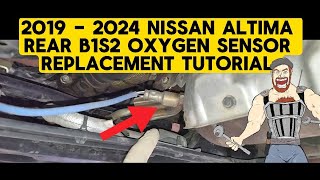
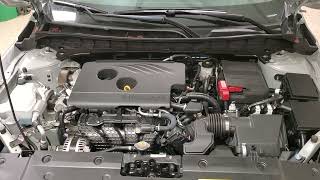
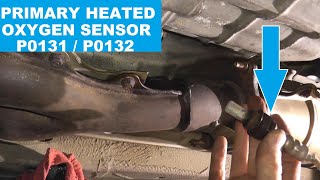
Helpful Videos

Technical Specifications
OEM Part Numbers: 226A0-6CA0A 226A0-6CC0B 22693-6CA0C 226A0-5RB0A 22693-6CA1B
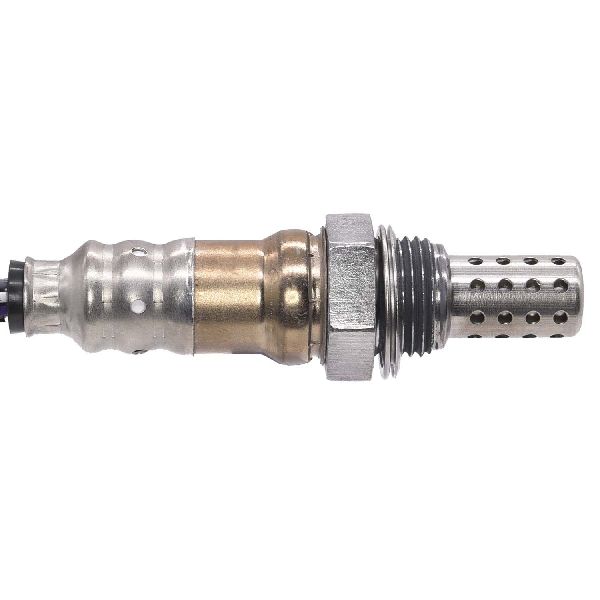
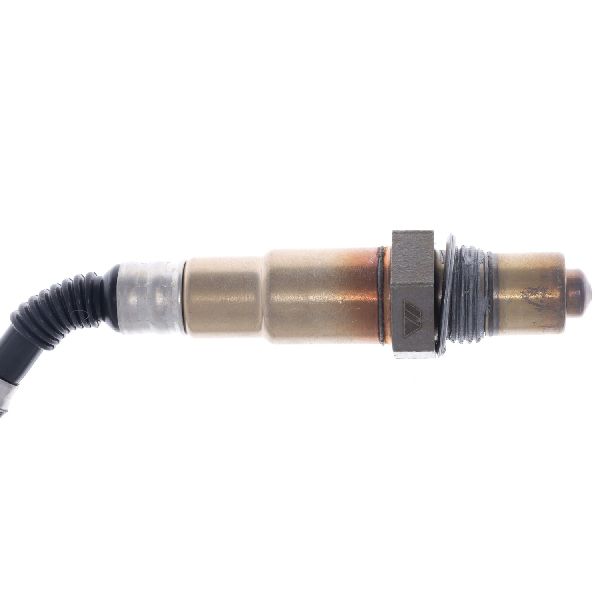
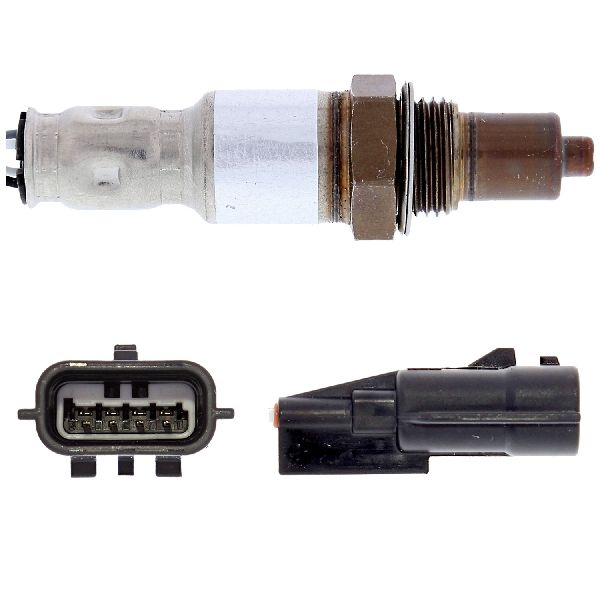
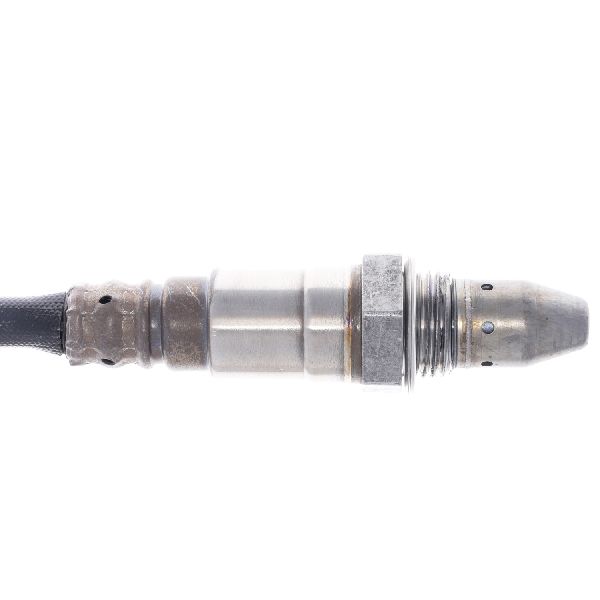
Your Altima uses 4-wire heated oxygen sensors. Upstream sensors are also known as Air/Fuel Ratio sensors, while downstream sensors are sometimes called Heated Oxygen Sensors (HO2S). A 22mm wrench or specialized O2 sensor socket is required for removal.
We Have This Part in Stock

The information in this article is provided for general reference and educational purposes only. Vehicle specifications, procedures, and part compatibility can vary by production date, trim level, and region. Always consult your vehicle's factory service manual and verify part numbers before purchasing or performing repairs. Safety-critical components such as airbags, seat belts, and braking systems should be installed by a qualified professional.
- Nissan Altima: