

A Guide to Replacing Disc Brake Pads on the 2020-2025 Mazda 3
Choosing the right aftermarket brake pads for your Mazda 3 can improve stopping power and save you money.
- Check for the 2020 model year brake caliper recall (Mazda #4420F) to ensure it has been performed.
- Aftermarket pads can be a great upgrade, but choose quality brands like Akebono, Powerstop, or EBC to avoid noise issues.
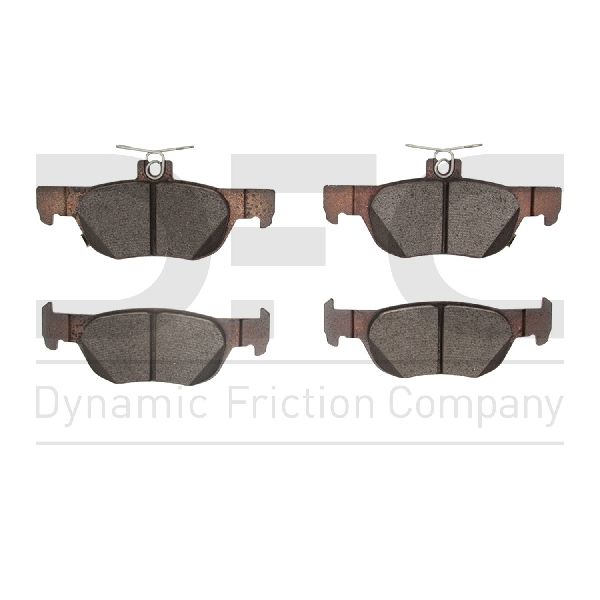
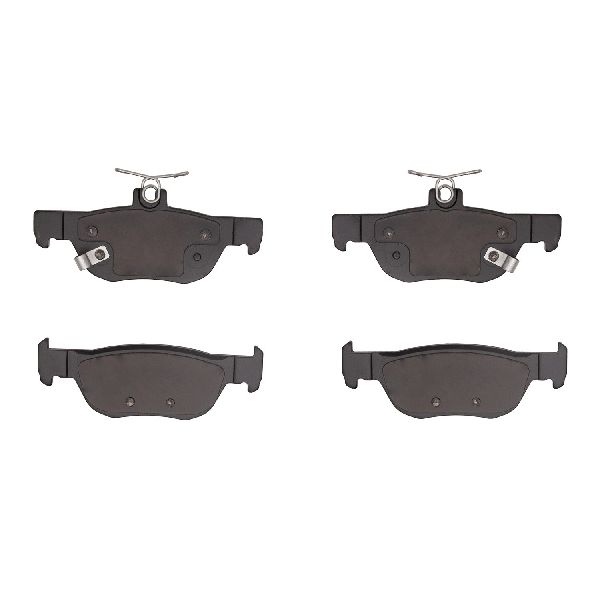
- Replacing rear brake pads requires a special tool to retract the caliper piston due to the electronic parking brake.
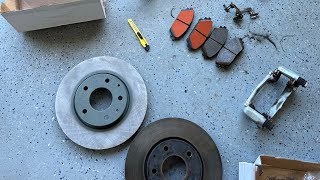
- For best results, always replace or resurface brake rotors at the same time as the pads.
Signs of Failing Brake Pads
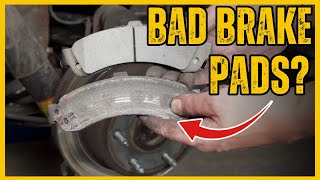
Your Mazda 3 will give you clear warnings when the brake pads are getting low. The most common sign is a high-pitched screeching or squealing sound when you apply the brakes. This noise comes from a small metal tab called a wear indicator that contacts the brake rotor when the pad material is thin. If you hear a deeper, harsher grinding noise, it means the pads are completely worn out and metal is grinding against metal, which can damage your brake rotors. Other symptoms include a pulsating or vibrating feeling in the brake pedal (which can also indicate warped rotors), or simply taking longer to stop than usual.
🎬 Watch: A visual guide to identifying common bad brake symptoms.Known Issue: 2020 Model Year Brake Caliper Recall
Mazda issued a safety recall (NHTSA ID: 20V346000, Mazda Recall: 4420F) for certain 2020 Mazda 3 vehicles. The front brake caliper mounting bolts may not have been properly tightened at the factory and could loosen or fall off. This can cause reduced braking performance or allow the caliper to hit the wheel, increasing the risk of a crash. Symptoms include grinding or rattling noises from the front wheels. If you own a 2020 model, ensure this recall work has been completed by a Mazda dealer.
🎬 See this video for details on the 2020 caliper recall.Choosing the Right Aftermarket Brake Pads
While Mazda's original equipment (OEM) pads are designed for a quiet ride and a good fit, many owners seek aftermarket options for different characteristics like improved performance or lower cost. Some owners have reported issues with aftermarket pads causing squeaking, while others have had great success. Proper installation and choosing a quality brand are key.
Daily Driver & OEM-Equivalent Pads
These pads are designed to be similar to or slightly better than the stock pads. They focus on quiet operation, low dust, and a long lifespan, making them perfect for commuting and everyday driving.
- Akebono: Often considered an OEM supplier for many Japanese brands, Akebono pads are highly regarded for being extremely quiet, producing very little dust, and offering smooth, reliable stopping power.
- Powerstop Z17 & Z23 Series: These are popular all-in-one kits that often include new hardware. They use a low-dust ceramic formula and are generally seen as a good balance of value and performance for daily driving. However, some users have reported noise issues.
- Bosch QuietCast: As the name suggests, these ceramic pads are engineered for quiet performance and are a trusted choice for a dependable stock replacement.
- Centric & Raybestos: These brands offer reliable, budget-friendly options that meet or exceed OEM specifications for daily use.
Performance & Sport Upgrade Pads
If you want a firmer pedal feel, stronger initial bite, and better resistance to brake fade during spirited driving, a performance pad is the right choice. Be aware that these pads may create more dust and noise than OEM-style pads.
- EBC Brakes: Brands like EBC offer different compounds, such as their 'Yellowstuff' pads, which provide a significant increase in stopping power and fade resistance for performance-oriented drivers.
- Brembo: A legendary name in braking, Brembo offers high-quality pads that provide excellent performance and are a trusted upgrade over stock.
- StopTech Street: These pads are a popular choice for enthusiasts looking for a noticeable improvement in braking performance without being overly aggressive for street use.
Should I Replace My Rotors Too?
It is always best practice to replace or resurface your brake rotors when you install new pads. This ensures the new pads have a perfectly flat, clean surface to bed into, which prevents vibration and ensures maximum performance. If your current rotors have any deep grooves or a significant lip on the outer edge, they must be replaced.
Brake Pad Replacement Cost for 2020-2025 Mazda 3
| Part Type | Price Range (Per Axle) |
|---|---|
| New Aftermarket Pads | $37 - $195 |
| New OEM Pads | $130 - $180 |
| Shop Labor | $125 - $250 |
Frequently Asked Questions
Do I need a special tool to change the rear brake pads?
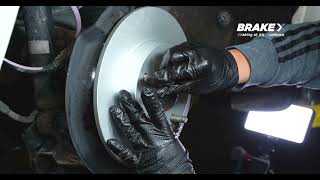
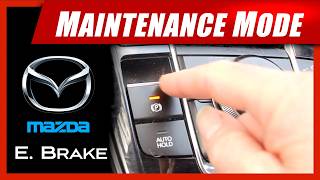
Yes. The 2020-2025 Mazda 3 has an electronic parking brake (EPB). You must first put the EPB into its 'Service Mode' or 'Maintenance Mode'. Additionally, you will need a caliper piston tool that can spin the rear caliper piston back into its housing; a standard C-clamp will not work on the rear.
🎬 Watch: How to enter and exit electronic parking brake maintenance mode.What is the difference between ceramic and semi-metallic pads?
Ceramic pads are known for being very quiet and producing fine, light-colored dust that is less noticeable on wheels. They offer great performance for daily driving. Semi-metallic pads contain metal fibers that help dissipate heat, making them better for heavy-duty or performance driving, but they can be noisier and produce more dust.
Why are my new aftermarket brakes squeaking?
Squeaking after a brake job is a common complaint, especially with aftermarket pads. The most common causes are not cleaning the caliper hardware sufficiently or not applying brake grease to the correct contact points, such as the back of the brake pads and the caliper slide pins. It can also happen if the new pads are not properly bedded-in.
How long do brake pads last on a Mazda 3?
Brake pad life varies greatly depending on driving habits and conditions. For a Mazda 3, owners report a wide range, from 30,000 miles in heavy city traffic to over 80,000 miles for mostly highway driving. There is no single correct mileage for replacement; you should replace them based on inspection or when symptoms appear.
Helpful Videos
Technical Specifications
OEM Part Numbers: BCYA-33-28ZB
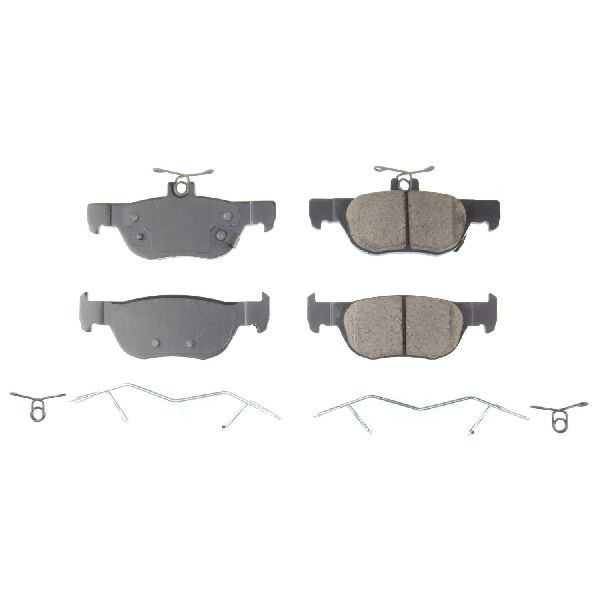
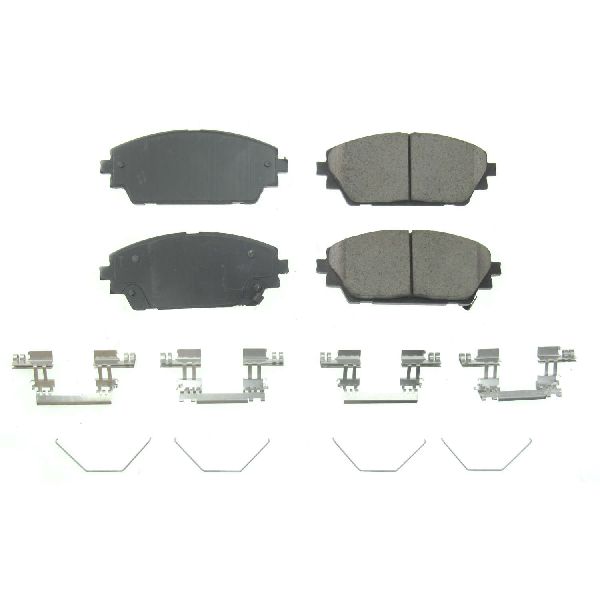
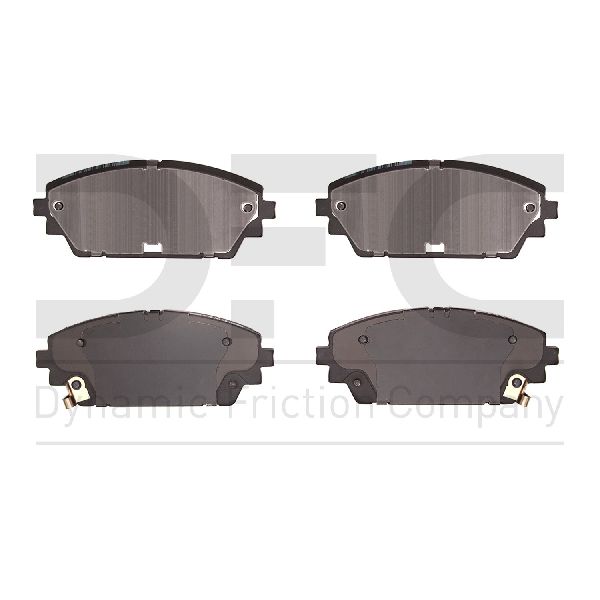
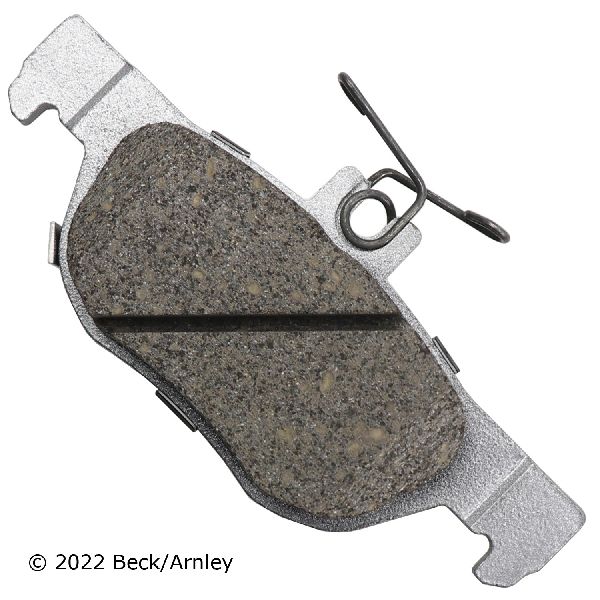
Fits 2020, 2021, 2022, 2023, 2024, and 2025 Mazda 3 models. Available in ceramic and semi-metallic compounds. Rear brake replacement requires an electronic parking brake service tool.
We Have This Part in Stock

The information in this article is provided for general reference and educational purposes only. Vehicle specifications, procedures, and part compatibility can vary by production date, trim level, and region. Always consult your vehicle's factory service manual and verify part numbers before purchasing or performing repairs. Safety-critical components such as airbags, seat belts, and braking systems should be installed by a qualified professional.
- Mazda 3:
- 🎬 Helpful Videos
- 🛍️ Shop This Part
- Signs of Failing Brake Pads
- Known Issue: 2020 Model Year Brake Caliper Recall
- Choosing the Right Aftermarket Brake Pads
- Daily Driver & OEM-Equivalent Pads
- Performance & Sport Upgrade Pads
- Should I Replace My Rotors Too?
- Brake Pad Replacement Cost for 2020-2025 Mazda 3
- Frequently Asked Questions
- 🎟️ Get 5% Off