

Audi Q7 Ignition Coil Guide: 2021-2025 Models
Everything you need to know about replacing the ignition coils on your late-model Audi Q7.
- A flashing check engine light is a critical warning; stop driving to avoid damaging the catalytic converter.
- For best results and reliability, replace all six ignition coils at once, not just the one that failed.
- Stick with OEM-supplier brands like Bosch, NGK, or Delphi for a reliable repair on these sensitive engines.
- Replacing the spark plugs at the same time is a smart move that saves on future labor costs.
Symptoms of a Failing Ignition Coil
Ignition coil failure is a common issue on many modern engines, including those in the Audi Q7. When a coil starts to go bad, it can't produce the strong spark the engine needs, leading to noticeable problems. Watch out for these signs:
- Engine Misfires: This is the most common symptom. You'll feel the engine stumble, shake, or hesitate, especially when you accelerate. It can feel like a sudden jerk or shudder.
- Flashing Check Engine Light: A flashing light is a serious warning. It means a misfire is severe enough to potentially damage your expensive catalytic converter. If you see this, you should pull over as soon as it's safe.
- Rough Idle: When your Q7 is stopped, you might feel a rough or vibrating idle as the engine struggles to run smoothly on all cylinders.
- Reduced Power: With one or more cylinders not firing correctly, your engine's power will be noticeably lower. The vehicle will feel sluggish and slow to respond.
- Difficulty Starting: A weak or failing coil can make it harder to start the engine.
Known Issues, Recalls, and Service Bulletins
While ignition coil failure is a known issue among owners and repair shops for this engine series, there are no active recalls or Technical Service Bulletins (TSBs) from Audi specifically for ignition coils on the 2021-2025 Q7 models. Previous recalls for older Q7 models have been related to fuel system components, not ignition coils. This means that a failing coil is considered a standard wear-and-tear repair, not a factory defect requiring a recall.
Choosing the Right Aftermarket Ignition Coil
When replacing ignition coils, you have a choice between Original Equipment (OEM) and aftermarket parts. For a vehicle like the Q7, quality matters.
Aftermarket Brand Quality Tiers
| Tier | Brands | Description |
|---|---|---|
| Top Tier (OEM Supplier) | Bosch, NGK, Delphi, Denso | These brands are often the original suppliers to Audi. They offer the same quality and performance as the part you'd get from the dealer, but often at a better price. Choosing one of these is a safe bet for reliability and longevity. |
| Mid Tier (Quality Aftermarket) | Standard Ignition (SMP), Spectra, Holstein | These are reputable aftermarket brands known for producing quality replacement parts that meet or exceed OE specifications. They provide a good balance of price and performance. |
| Economy Tier | Global Parts, other store brands | While more budget-friendly, the long-term reliability can be a mixed bag. Audi engines can be sensitive to ignition components, so while these parts will work, they may not last as long as higher-tier options. |
Pro Tip: Replace in Sets
If one ignition coil fails, the others are likely not far behind as they have all been exposed to the same heat and wear. For best results and to avoid future misfires, it is highly recommended to replace all six ignition coils at the same time. This also ensures consistent performance across all cylinders.
Estimated Costs
The cost can vary depending on the brand you choose and labor rates in your area. The job itself is straightforward for a mechanic.
| Item | Estimated Cost |
|---|---|
| New Aftermarket Ignition Coils (Set of 6) | $215 - $830 |
| New OEM Ignition Coils (Set of 6) | $300 - $900+ |
| Shop Labor | $100 - $200 |
| Total Professional Replacement (Aftermarket) | $315 - $1030 |
Frequently Asked Questions (FAQ)
Do I need to replace the spark plugs at the same time?
It is highly recommended. The spark plugs are located directly underneath the ignition coils. Since you have to remove the coils to get to the plugs, replacing them at the same time saves you from paying for the same labor twice in the near future. Worn spark plugs can also put extra strain on new ignition coils, causing them to fail prematurely.
Can I replace just the one bad coil?
Yes, you can, and the car will run. However, it's not the best practice. All the coils have the same amount of wear. If one has failed, another could fail soon after, leaving you with the same problem. Replacing them as a set is the most reliable long-term repair.
Is this a difficult DIY job?
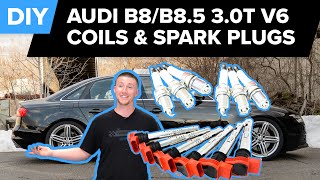
For a moderately experienced DIYer, this is a very manageable job. It requires basic hand tools and no special equipment, though a tool to release the electrical connectors can be helpful. The main steps involve removing the engine cover, disconnecting the electrical connectors, and pulling the coils straight out. 🎬 Watch a DIY demonstration of the coil pack removal process. The driver's side may require moving the coolant expansion tank 🎬 See this step-by-step walkthrough for replacing coils and plugs. for better access.
How do I know which cylinder is misfiring?
An OBD-II scanner will give you a specific code from P0301 to P0306, where the last digit tells you the cylinder number 🎬 Watch this guide on diagnosing a misfire with a scanner. (e.g., P0304 is cylinder 4). On the 3.0T V6, cylinders 1, 2, and 3 are on the passenger side (front to back), and cylinders 4, 5, and 6 are on the driver's side (front to back).
What happens if I ignore a bad ignition coil?
Continuing to drive with a misfire can cause unburnt fuel to enter the exhaust, where it can overheat and damage the catalytic converter. This is a very expensive repair. A flashing check engine light is a direct warning of this potential damage.
Helpful Videos


Technical Specifications
OEM Part Numbers: 06E905115F 06E905115G 06H905110P 06H905110G 06L905110H
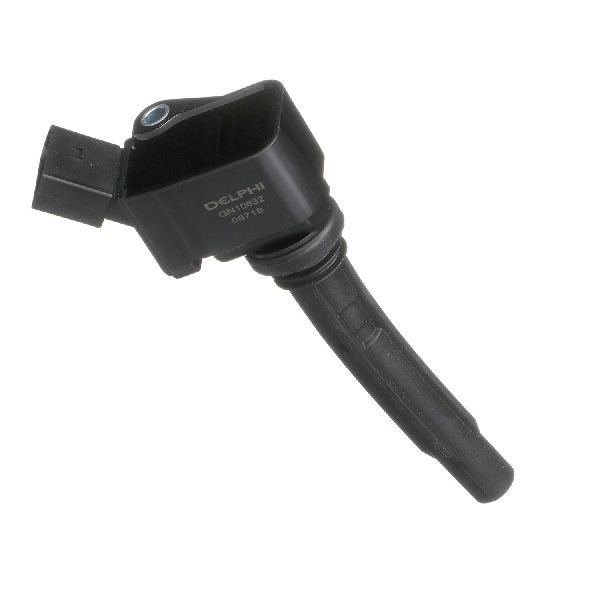
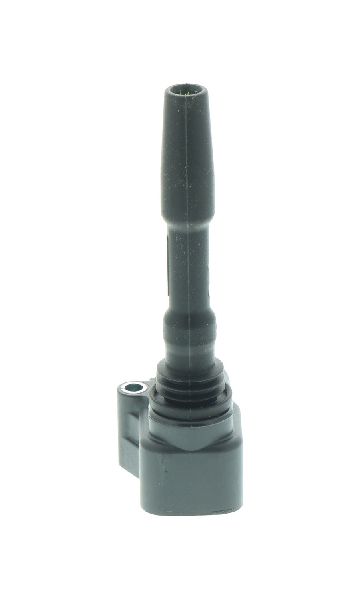
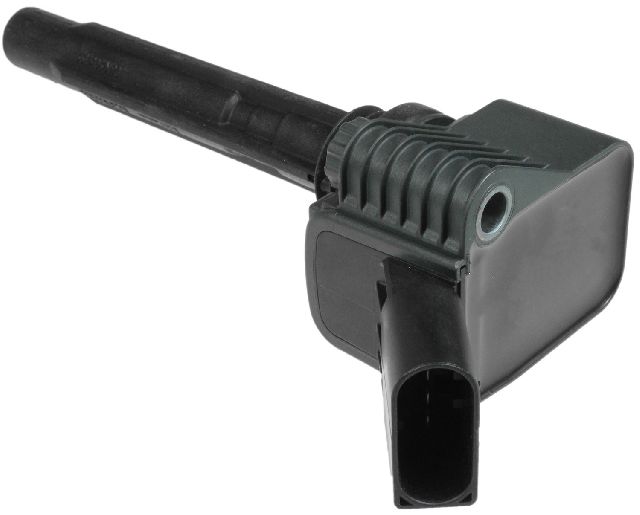
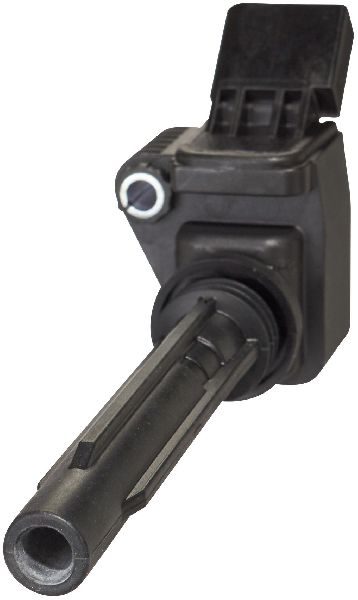
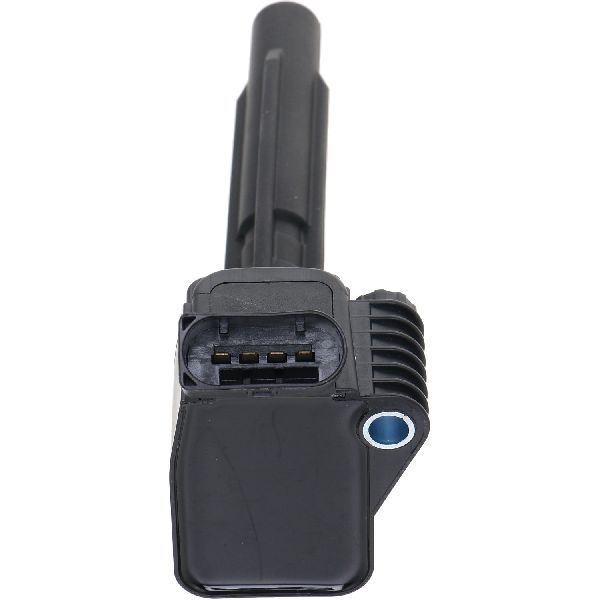
This vehicle uses a coil-on-plug ignition system. Each V6 engine requires six individual ignition coils. The coils are a direct replacement type with a 4-pin electrical connector.
We Have This Part in Stock


The information in this article is provided for general reference and educational purposes only. Vehicle specifications, procedures, and part compatibility can vary by production date, trim level, and region. Always consult your vehicle's factory service manual and verify part numbers before purchasing or performing repairs. Safety-critical components such as airbags, seat belts, and braking systems should be installed by a qualified professional.
- Audi Q7: