

A Guide to Replacing the Radiator on Your 2021-2025 Ford Explorer
Keep your Explorer's engine cool and prevent costly damage by understanding your radiator replacement options.
- Check your coolant for a sludgy, milky appearance, which indicates a known transmission cooler issue on 2021-2022 models.
- Radiator replacement on this generation of Explorer is complex and expensive; it is not a DIY-friendly job.
- Verify the correct radiator part number for your specific engine (2.3L, 3.0L, or 3.3L Hybrid) before purchasing.
- Check if your vehicle is affected by the engine block heater recall (NHTSA 25V685), which involves a coolant leak.
Is Your Explorer's Radiator Failing?
A failing radiator can lead to serious engine trouble. If you notice any of these signs, it's time to inspect your cooling system.
- Engine Overheating: The most obvious symptom. If the temperature gauge on your dashboard climbs into the red, your engine is not being cooled properly.
- Visible Coolant Leaks: You might see puddles of bright green, orange, or yellow fluid under the front of your vehicle. Coolant has a distinct sweet smell. Leaks often occur where hoses connect to the radiator or from cracks in the radiator itself.
- Low Coolant Light: A frequent need to top off your coolant reservoir indicates a leak somewhere in the system.
- Sludgy Coolant: If the coolant in your reservoir looks thick, milky, or sludgy, it could be a sign of a serious internal failure where transmission fluid is mixing with your coolant.
Known Issues for 2021-2025 Explorers
Transmission Fluid Contamination: Ford issued Technical Service Bulletin (TSB) #SSM 51032 for some 2020-2022 Explorer models. This bulletin notes that automatic transmission fluid (ATF) can contaminate the engine cooling system because of a fault in the transmission cooler, which can be part of the radiator assembly. This creates a sludgy coolant mixture and can lead to transmission and engine damage if not addressed. If you see this, the radiator and potentially other cooling and transmission components will need replacement.
Engine Block Heater Recall: NHTSA recall 25V685 affects many 2021-2023 Explorers. The engine block heater can crack and leak coolant, creating a fire risk when plugged in. While not a radiator failure, it is a critical coolant leak issue. Owners are advised not to use the block heater until the free dealer repair is completed.
Choosing the Right Aftermarket Radiator
When replacing your radiator, you have a choice between OEM (Motorcraft) and various aftermarket brands. For the 2021-2025 Explorer, fitment is critical due to the complex design.
Brand Quality Tiers
- OEM (Motorcraft): This is the part your Explorer was built with. It guarantees a perfect fit and is considered the safest, most reliable option, though it is often the most expensive.
- Premium Aftermarket (CSF, Koyorad): Brands like CSF and Koyorad have a strong reputation for producing high-quality radiators that meet or exceed OEM specifications. They are an excellent choice for a balance of quality and price.
- Standard Aftermarket (Spectra, Global Parts): Spectra is a widely available brand that offers a reliable, OE-compliant replacement at a budget-friendly price. However, with any aftermarket part, there is a small risk of minor fitment issues, such as mounting holes being slightly off.
Pro Tip: Regardless of the brand you choose, always verify the part number against your Explorer's specific engine (2.3L, 3.0L, or 3.3L Hybrid). There are different radiators for different powertrains. It's also a good idea to replace the upper and lower radiator hoses at the same time you replace the radiator.
Ford Explorer Radiator Replacement Cost
The cost to replace the radiator in a 2021-2025 Explorer is higher than in previous generations due to increased labor complexity. The prices below are estimates.
| Part Type | Estimated Part Cost |
|---|---|
| New Aftermarket | $198 - $431 |
| New OEM (Motorcraft) | $220 - $540 |
| Shop Labor | $720 - $1,056 |
| Total Estimated Cost | $918 - $1,597 |
Frequently Asked Questions
Is an aftermarket radiator as good as an OEM Motorcraft part?
High-quality aftermarket brands like CSF and Koyorad can be just as reliable as OEM. The main advantage of Motorcraft is a guaranteed perfect fit. Standard aftermarket parts offer great value but may occasionally have minor fitment differences that a professional installer can typically overcome.
Why is the coolant in my reservoir sludgy or milky?
This is a serious symptom on the 2021-2022 Explorer, often caused by a failed transmission cooler that allows transmission fluid to mix with engine coolant. This requires immediate attention to prevent severe damage to both your engine and transmission.
Do I need to worry about the engine block heater recall?
Yes. If your Explorer is part of NHTSA recall 25V685, do not use the engine block heater. Contact a Ford dealer to have the recall service performed for free. This issue can cause a coolant leak and a fire risk.
Can I replace the radiator myself?
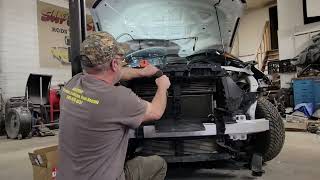
For the 2021-2025 Explorer, radiator replacement is a complex job. Based on high estimated labor costs, it involves significant disassembly. This repair is not recommended for beginners and is best left to an experienced mechanic.
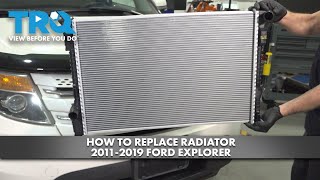
Helpful Videos

Technical Specifications
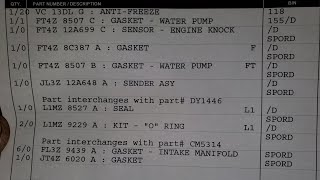
OEM Part Numbers: L1MZ-8005-K L1MZ-8005-L L1MZ-8005-G L1MZ-8005-P L1MZ-8005-F L1MZ-8005-E
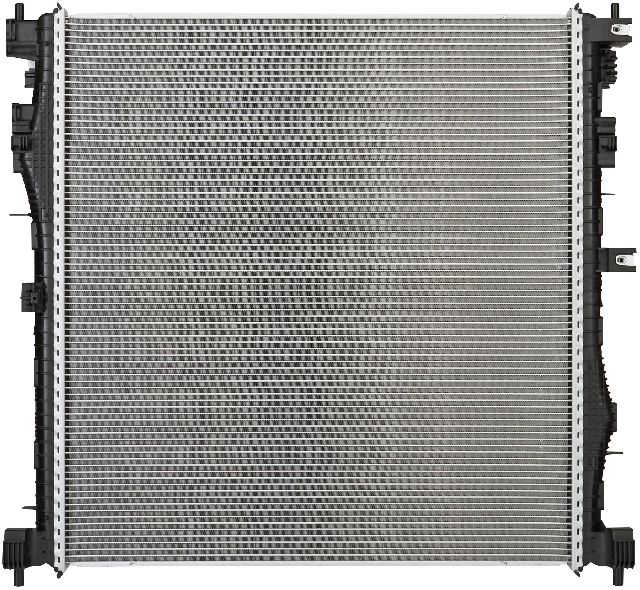
Core Material: Aluminum; Tank Material: Plastic. Configuration varies by engine type (2.3L Gas, 3.0L Gas, 3.3L Hybrid). Some radiators include an integrated transmission oil cooler.
We Have This Part in Stock


The information in this article is provided for general reference and educational purposes only. Vehicle specifications, procedures, and part compatibility can vary by production date, trim level, and region. Always consult your vehicle's factory service manual and verify part numbers before purchasing or performing repairs. Safety-critical components such as airbags, seat belts, and braking systems should be installed by a qualified professional.
- Ford Explorer: