

Audi 2.0T Radiator Leaks & Overheating (2009-2018 A4, A5, A6, Q3, Q5, allroad)
This guide covers the common failure symptoms, known issues, and replacement costs for the main engine radiator in 2.0L turbocharged Audi A4, A5, A6, Q3, Q5, and allroad models.
- The most common radiator failure is a crack in the plastic end tanks, causing coolant leaks.
- Coolant leaks from the water pump/thermostat housing are also very common and can be mistaken for a radiator leak; proper diagnosis is crucial.
- Replacement is a labor-intensive job requiring the front bumper to be removed and the core support put in 'service position', making labor a significant part of the total cost.
- Due to the high labor cost, it is wise to replace related wear items like hoses and the water pump at the same time as the radiator.
Symptoms of a Failing Radiator

A failing radiator on these Audi models presents several distinct warning signs. Ignoring them can lead to severe engine damage, so it's critical to act quickly.
Engine Overheating
This is the most serious symptom. If the temperature gauge on your dashboard climbs into the red zone or you receive an engine overheat warning, pull over immediately and shut off the engine. Driving an overheating vehicle can cause permanent damage, such as a warped cylinder head, in a matter of minutes.
Coolant Leaks
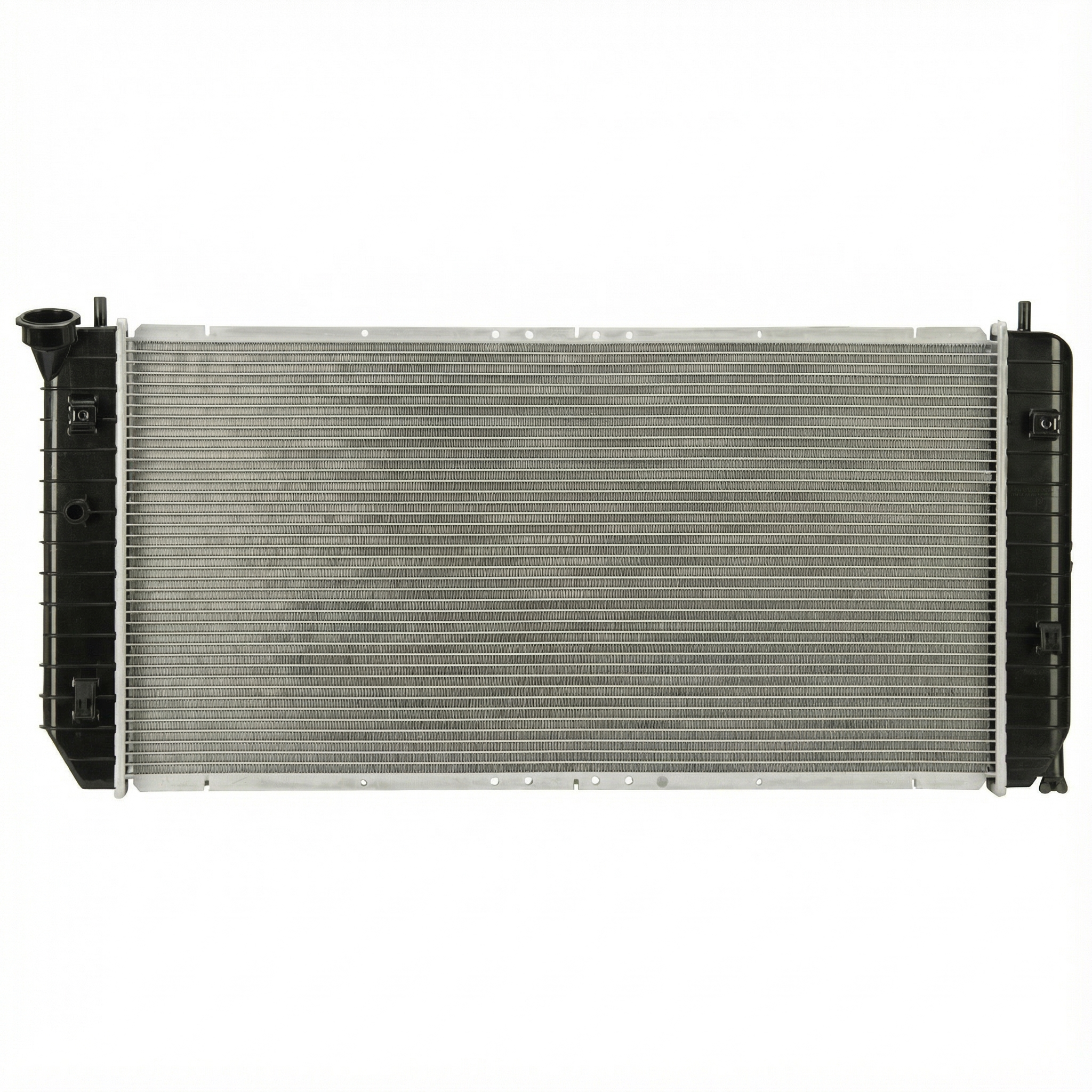
If you find a puddle of brightly colored fluid under the front of your car, you likely have a coolant leak. Audi uses a specific pink or purple coolant (G12, G13, or G14). The most common failure point on these radiators is the plastic end tanks, which can develop hairline cracks from years of heat cycles. Look for leaks where the plastic tanks are crimped to the aluminum core. You may also see white or pink crusty residue on the radiator itself, which is dried coolant and a sure sign of a slow leak.
Low Coolant Warning Light
A frequent low coolant warning on your dashboard, even without a visible puddle, can indicate a small leak that is evaporating before it hits the ground. You may also notice a sweet, maple-syrup-like smell from the engine bay after driving, which is the scent of burning coolant.
Steam from the Engine Bay
If you see steam coming from under the hood, it means coolant is leaking onto hot engine components and boiling off. This indicates a significant leak that requires immediate attention.
Known Issues, TSBs, and Recalls

While the radiator itself can fail, other cooling system components on these 2.0T engines are common sources of leaks and can be easily misdiagnosed as a bad radiator.
Water Pump and Thermostat Housing Leaks
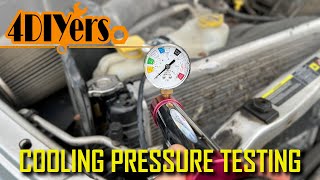
A very common issue on the 2.0T engine is a leak from the plastic water pump and thermostat assembly. Symptoms are identical to a radiator leak: a low coolant light and a sweet smell with no obvious puddle. Technicians often use a cooling system pressure tester to pinpoint the exact source of the leak 🎬 Watch: How to use a pressure tester to find leaks. before replacing parts. Several Technical Service Bulletins (TSBs) have been issued for coolant pump leaks on these models.
Electric Auxiliary Coolant Pump Recall (NHTSA Recall 19M1)
Important: Many of the vehicles covered in this guide were part of a safety recall for an electric auxiliary coolant pump. This is a separate, smaller pump that can become blocked with debris, overheat, and create a fire risk. The recall involves a software update or pump replacement. You can check if your vehicle is affected by entering your VIN on the NHTSA website.
Buying a Used Radiator: What to Inspect

A used OEM radiator can be a reliable and cost-effective alternative to expensive new parts, especially since the high replacement cost is mostly labor. However, careful inspection is key.
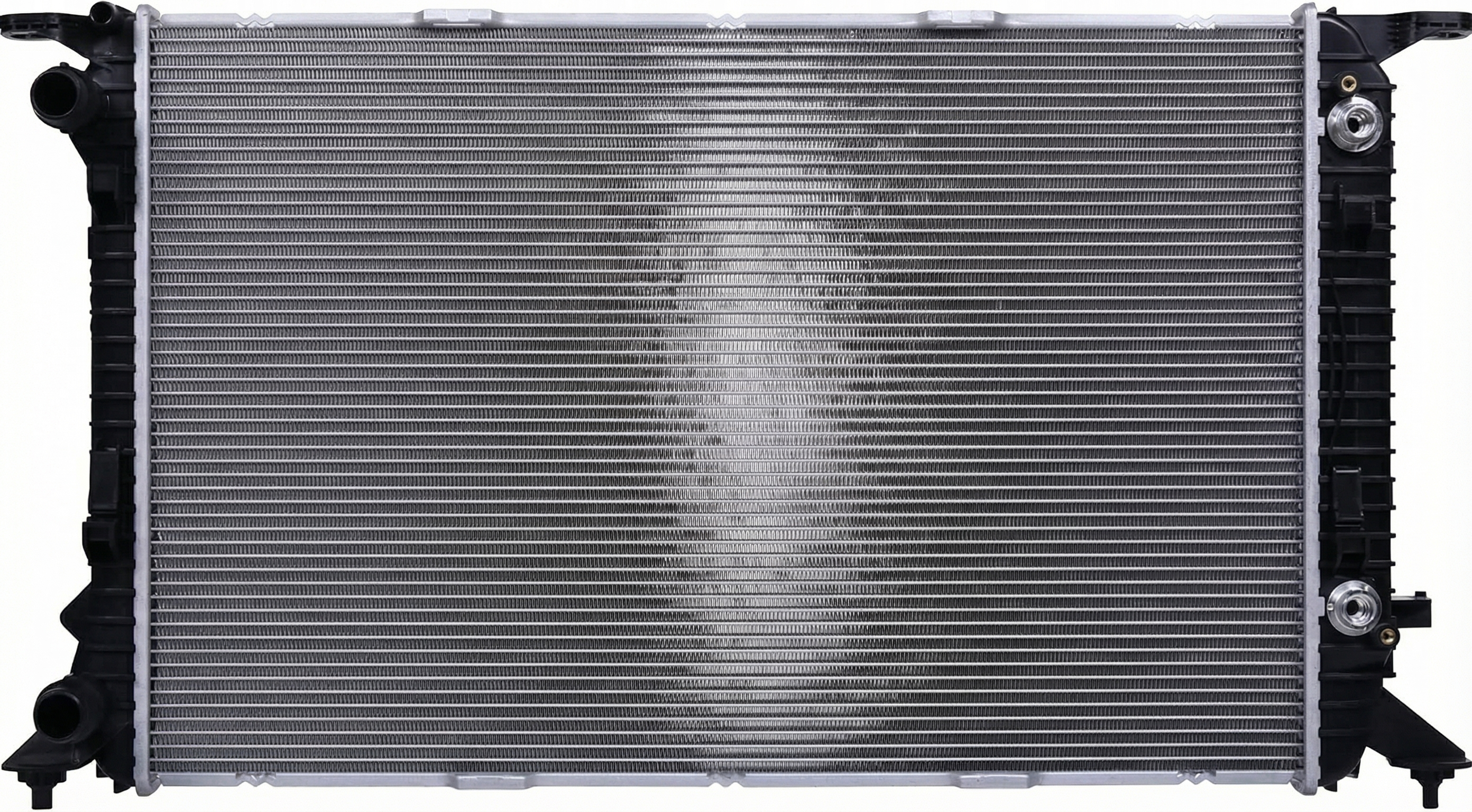
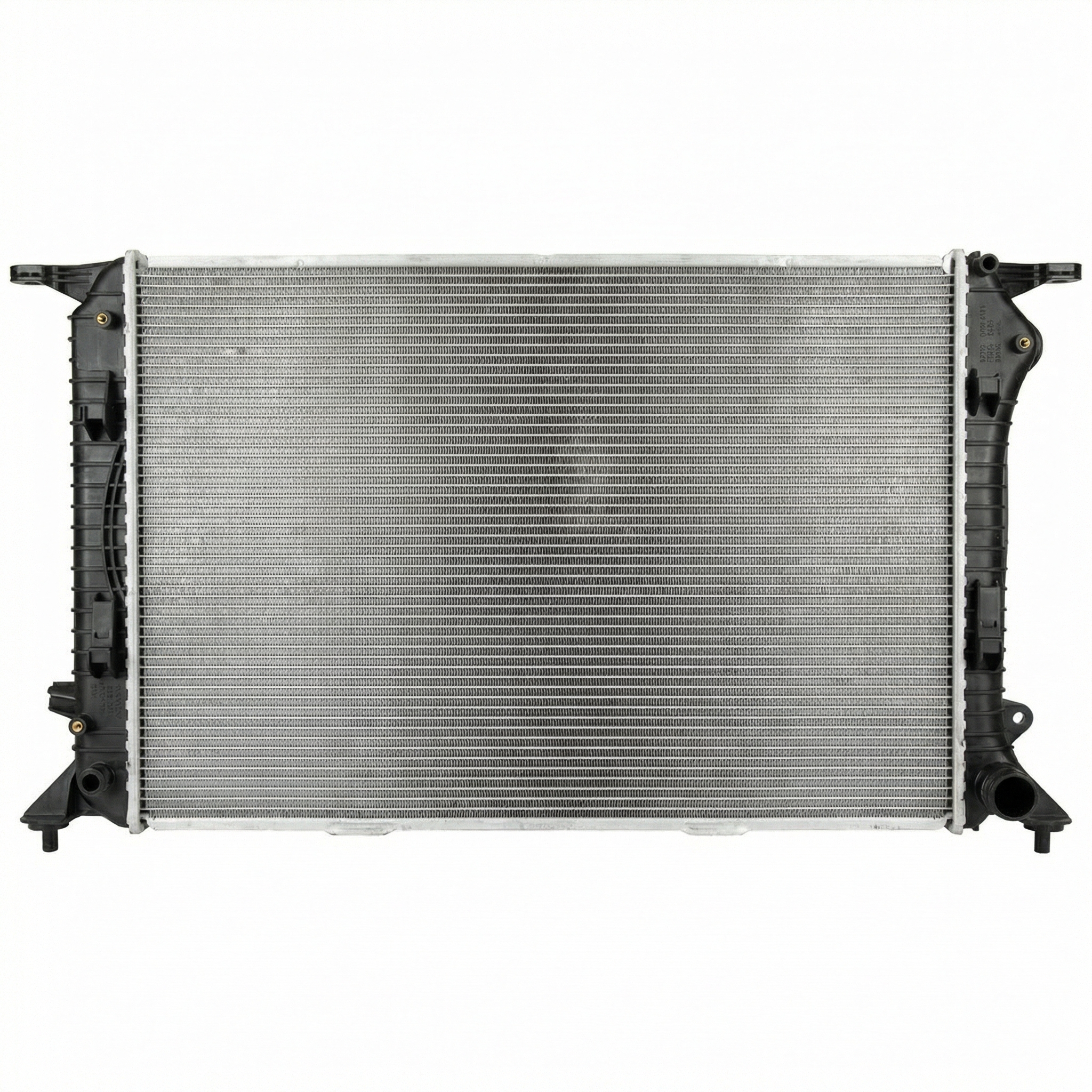
- Inspect the Plastic End Tanks: This is the most critical step. Carefully examine the black plastic tanks on both sides of the radiator. Look for any hairline cracks, especially around the hose connections and the seams where the plastic is crimped to the aluminum core. Reject any radiator with visible cracks, no matter how small.
- Check for Past Leaks: Look for white, pink, or purple crusty residue. This indicates a previous leak. While it might have been small, it's a sign of a weak point that could fail again.
- Examine the Cooling Fins: The thin aluminum fins should be mostly straight. A few bent fins are acceptable and can be carefully straightened with a small screwdriver, but large areas of crushed fins will reduce cooling efficiency.
- Look Inside the Inlets: Shine a light into the inlet and outlet ports. Look for any thick, chalky, or gummy residue. This can be a sign that a "stop-leak" additive was used, which can clog the radiator's small passages and cause problems. The inside should look clean.
- Verify Transmission Cooler Connections: This radiator has an integrated automatic transmission fluid cooler. Ensure the connections for the cooler lines are clean and the threads are not damaged.
- Mileage Consideration: Radiator failure is more related to age and heat cycles than pure mileage. A used radiator from a lower-mileage, newer vehicle is ideal, but a well-inspected part from a higher-mileage car can still be a good value. Failures are common anywhere from 60,000 to 120,000 miles.
Cost to Replace the Radiator
The cost to replace this radiator is significant, with labor making up a large portion of the bill. This is because the front bumper must be removed and the front-end carrier put into a "service position" to access the radiator.
| Part/Service | Estimated Cost |
|---|---|
| New OEM | $440 - $650 |
| New Aftermarket | $100 - $300 |
| Used OEM | $75 - $200 |
| Shop Labor | $500 - $850+ |
| Total Job (Shop) | $950 - $1,850+ |
Replacement Overview & Related Parts

Replacing the radiator on these Audi models is an involved job rated as difficult for a DIY mechanic. 🎬 Watch this step-by-step radiator replacement walkthrough for the B8 Audi. It requires removing the front bumper, crash bar, and sliding the entire radiator core support forward.
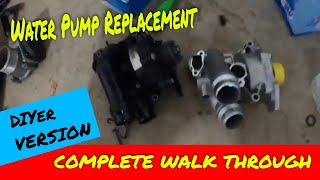
Pro Tip: Because of the high labor cost, it is highly recommended to replace other cooling system components at the same time. This includes the upper and lower radiator hoses, coolant, and potentially the main water pump/thermostat assembly if it has not been replaced recently.
Special Procedures
- Service Position: The front lock carrier (the structure holding the radiator, fans, and headlights) must be unbolted and slid forward on special service bolts 🎬 See how to properly put your Audi into service position. to create enough room to work.
- Coolant Bleeding: The Audi 2.0T cooling system must be properly bled to remove all air pockets after being refilled. Air trapped in the system can cause overheating even with a new radiator. Many shops use a vacuum-fill tool to ensure a complete fill without air pockets.
- A/C System: The A/C condenser sits in front of the radiator. It does not need to be disconnected, but it must be carefully unclipped and moved aside without straining the refrigerant lines.
Frequently Asked Questions (FAQ)
Can I use a universal or cheaper aftermarket radiator?
While cheaper aftermarket radiators are available, they may not have the same build quality, cooling efficiency, or precise fit as an OEM part. Given the high labor cost for installation, using a quality OEM or reputable aftermarket (like Behr or Nissens) part is recommended to avoid premature failure and having to do the job twice.
Is it the radiator or the water pump that's leaking?
This is a very common question for the 2.0T engine. Both can cause a low coolant light and a sweet smell. A mechanic will typically perform a cooling system pressure test. This involves pressurizing the system and watching for a pressure drop while looking for the source of the leak, which could be the radiator seams or the water pump housing.
What coolant should I use for my Audi?
These vehicles require a specific phosphate-free, silicate-based coolant, typically G12, G13, or a compatible G14 fluid. It will be pink or purple in color. Do not mix it with green, orange, or blue universal coolants, as this can cause gelling and damage the cooling system.
Do I need any special tools for the replacement?
Yes. Besides a comprehensive set of metric sockets, Torx bits, and trim removal tools, you will likely need a set of long "service position" guide pins to slide the front end forward. A vacuum coolant filler is also highly recommended for refilling the system properly.
Helpful Videos



Technical Specifications
OEM Part Numbers: 8K0121251AJ 8K0121251K 8K0121251T 8K0121251R 9A712125110
Core Material: Aluminum; Tank Material: Plastic; Integrated automatic transmission oil cooler.
We Have This Part in Stock

The information in this article is provided for general reference and educational purposes only. Vehicle specifications, procedures, and part compatibility can vary by production date, trim level, and region. Always consult your vehicle's factory service manual and verify part numbers before purchasing or performing repairs. Safety-critical components such as airbags, seat belts, and braking systems should be installed by a qualified professional.
- Audi A6:
- Audi A4:
- Audi A5:
- Audi Q3:
- Audi Q5:
- Audi allroad:
- 🎬 Helpful Videos
- 🛍️ Shop This Part
- Symptoms of a Failing Radiator
- Engine Overheating
- Coolant Leaks
- Low Coolant Warning Light
- Steam from the Engine Bay
- Known Issues, TSBs, and Recalls
- Water Pump and Thermostat Housing Leaks
- Electric Auxiliary Coolant Pump Recall (NHTSA Recall 19M1)
- Buying a Used Radiator: What to Inspect
- Cost to Replace the Radiator
- Replacement Overview & Related Parts
- Special Procedures
- Frequently Asked Questions (FAQ)
- 🎟️ Get 5% Off