

2012-2018 BMW N55 Radiator Failure: A Guide for M2, 335i, 435i & More
This guide covers the common failure points, symptoms, and critical compatibility details for the radiator used in many popular N55-powered BMW models.
- For 335i and 435i models, this radiator ONLY fits vehicles with the M Sport Package (P337A).
- The most common failure is cracking of the plastic end tanks due to age and heat cycles.
- When replacing the radiator, it is highly recommended to also replace the water pump, thermostat, and coolant hoses.
- A specific electronic coolant bleeding procedure is required after installation to prevent engine damage from air pockets.
Symptoms of a Failing BMW N55 Radiator
Radiator failure on these BMW models is often gradual, but can sometimes be sudden. Paying attention to the early warning signs can prevent catastrophic engine damage.
Coolant Leaks
This is the most common and obvious symptom. You may notice a puddle of brightly colored fluid under the front of your car after it has been parked. BMW uses a specific blue-colored coolant. The leak often has a distinct sweet or syrupy smell. Leaks typically originate from cracks in the plastic end tanks 🎬 Watch: How to identify and fix common BMW coolant leaks or from the hose connections.
Engine Overheating
If the radiator can no longer cool effectively, the engine temperature will rise. You will see the temperature gauge on your dashboard climb into the red zone or receive an engine temperature warning light. In response, the vehicle may enter a "limp mode," which significantly reduces engine power to prevent damage. You might also notice the engine cooling fan running at maximum speed, creating a loud roaring sound.
Low Coolant Warning Light
Often the first sign of a problem is the low coolant warning light on your dashboard. This indicates that the coolant level in the expansion tank has dropped below the minimum level, usually due to a slow leak somewhere in the system.
Visible Damage or Discoloration
A visual inspection may reveal the problem. Look for white or crusty residue around the radiator seams and hose connections, which indicates dried coolant. You might also see cracks in the black plastic end tanks on the sides of the radiator. If you check the coolant in the reservoir and it appears rusty, brown, or sludgy, it's a sign of internal corrosion or contamination in the cooling system.
Warning: Never open the coolant expansion tank cap when the engine is hot. The system is under pressure and can spray scalding hot coolant, causing serious burns.
Vehicle Compatibility & The M Sport Package Requirement
This specific radiator fits a wide range of BMWs that use the 3.0L N55 engine. It is crucial to mention each model to ensure owners can find this information:
- 2016-2018 BMW M2
- 2012-2015 BMW 335i
- 2013-2015 BMW 335i xDrive
- 2014-2016 BMW 435i
- 2014-2016 BMW 435i xDrive
- 2015-2016 BMW 435i Gran Coupe
- 2015-2016 BMW 435i xDrive Gran Coupe
- 2014-2016 BMW M235i
- 2015-2016 BMW M235i xDrive
- 2012-2016 BMW M135i
Compatibility Warning: For 2012-2015 BMW 335i and 2014-2016 BMW 435i models (including xDrive and Gran Coupe), this radiator ONLY fits vehicles equipped with the M Sport Package (Option Code P337A). The M Sport Package includes an upgraded cooling system with this larger, more efficient radiator. If your 335i or 435i does not have the M Sport Package, you will need a different part number. Always verify your vehicle's option codes before ordering.
Buying a Used Radiator: What to Inspect
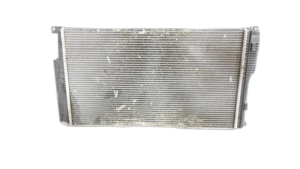
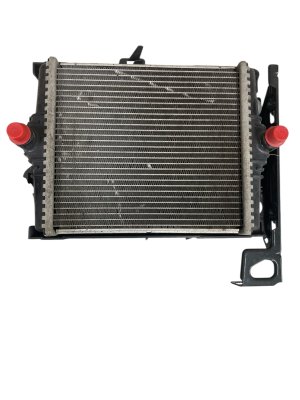
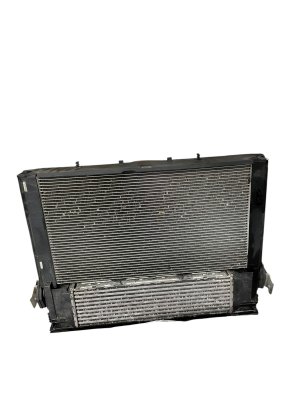
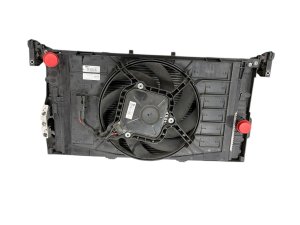
A used OEM radiator can be a cost-effective and reliable alternative to a new part, provided you inspect it carefully. OEM units, often made by suppliers like Valeo, ensure perfect fitment and performance, unlike some cheaper aftermarket options.
Physical Inspection Checklist:
- Check the End Tanks: Carefully examine the plastic end tanks on both sides. Look for hairline cracks, especially where the plastic is crimped to the aluminum core. This is the most common failure point.
- Inspect the Fins: The thin aluminum fins between the coolant tubes should be mostly straight. A few bent fins from handling are normal and won't affect performance, but avoid radiators with large areas of crushed or damaged fins.
- Look for Corrosion: Check the inlet and outlet ports for signs of heavy corrosion. Look inside the radiator if possible for brownish sludge or residue, which indicates the previous owner may have neglected coolant changes.
- Signs of Leaks: Look for stripped paint or white, chalky residue, which can be signs of a past coolant leak.
- Hose Connections: Ensure the plastic inlet and outlet necks are not cracked or brittle. These can be damaged during removal from the donor vehicle.
Mileage and Donor Vehicle History
Radiators are wear items. The plastic and rubber components degrade over time due to constant heat cycles. A part from a lower-mileage vehicle is always preferable. Ideally, source a radiator from a vehicle that was involved in a rear-end collision, as this ensures the front-mounted radiator was not damaged in an accident.
Related Parts to Replace at the Same Time
When replacing the radiator, it is highly recommended to replace other cooling system components that are either difficult to access or likely to fail soon. This preventative maintenance can save you from future breakdowns and repeated labor costs.
- Coolant Hoses: The upper and lower radiator hoses, as well as smaller vent hoses, become brittle and are prone to cracking. It's best to replace them while the system is drained.
- Water Pump & Thermostat: The electric water pump on the N55 engine is a known failure point, typically lasting between 60,000 and 90,000 miles. Since replacing it requires draining the cooling system, it is a wise "while you're in there" job.
- Coolant: Always refill the system with fresh, BMW-approved G48 blue coolant mixed 50/50 with distilled water. Using the wrong type of coolant can damage cooling system components.
Special Procedures: The Coolant Bleeding Process
BMWs with electric water pumps like the N55 have a specific, automated procedure for bleeding air out of the cooling system. Trapped air can cause hot spots and lead to overheating, so this step is critical and cannot be skipped.
🎬 See this walkthrough of the electric water pump bleeding procedure- With the engine cold, fill the coolant reservoir to the maximum level. Leave the cap off.
- Get in the car, do not press the brake pedal, and press the start button to turn the ignition on (do not start the engine).
- Turn the heater temperature to the highest setting and the fan speed to the lowest setting.
- Press the accelerator pedal to the floor and hold it for 10-15 seconds.
- You should hear the electric water pump activate. It will run for approximately 10-12 minutes, cycling on and off to circulate coolant and purge all air from the system.
- Once the procedure is complete, top off the coolant level in the reservoir and securely fasten the cap.
Pro Tip: It's a good idea to connect a battery charger during the bleeding procedure, as it can drain the battery over the 12-minute cycle.
🎬 Watch: A step-by-step guide to the N55 coolant self-bleeding processCost Comparison
| Part/Service | Estimated Cost |
|---|---|
| New OEM (BMW) | $400 - $590 |
| New OEM Supplier (Valeo) | $260 - $300 |
| New Aftermarket | $150 - $250 |
| Used OEM | $100 - $200 |
| Shop Labor for Replacement | $350 - $550 |
Known Issues, TSBs, and Recalls
Searches of the National Highway Traffic Safety Administration (NHTSA) database show no specific recalls or technical service bulletins (TSBs) directly related to radiator failure for the 2016-2018 BMW M2, 2012-2015 BMW 335i, or other listed models. The common failures are attributed to the aging of plastic components over many heat cycles, which is a characteristic of modern radiator design rather than a specific manufacturing defect.
Technical Specifications & Part Numbers
- Known OEM Part Numbers: 17118672103, 17118417167, 17117606017. These numbers often supersede each other as BMW updates parts.
- OEM Supplier Part Numbers: 735493 (Valeo)
- Performance Aftermarket: 3829 (CSF)
- Materials: Aluminum core with plastic end tanks
Frequently Asked Questions (FAQ)
Can I drive my BMW if the radiator is leaking?
It is not recommended. A coolant leak will lead to engine overheating, which can cause severe and expensive damage, such as a warped cylinder head or blown head gasket. If you see the temperature gauge rising or get an overheat warning, pull over immediately and shut off the engine.
Why do these radiators fail?
The most common reason for failure is the degradation of the plastic end tanks. Over thousands of heat cycles, the plastic becomes brittle and can develop hairline cracks, leading to leaks. This is a common issue across many modern vehicles, not just BMWs.
Can I use a universal or generic brand of coolant?
No. It is critical to use a phosphate-free, HOAT (Hybrid Organic Acid Technology) coolant that meets BMW's specifications, which is typically blue in color (G48 formula). Using incorrect coolant can lead to corrosion and premature failure of components like the water pump.
Is replacing the radiator a feasible DIY job?
For an experienced DIY mechanic, yes. The process involves draining the coolant, removing the fan shroud and hoses, and unbolting the radiator. However, the most critical part is the mandatory electronic bleeding procedure that must be performed correctly after installation to prevent air pockets in the system.
Helpful Videos
Technical Specifications
OEM Part Numbers: 17118672103 17118417167 17117606017
Fits N55 3.0L turbocharged inline-6 engines. Construction: Aluminum core with plastic end tanks.
We Have This Part in Stock

The information in this article is provided for general reference and educational purposes only. Vehicle specifications, procedures, and part compatibility can vary by production date, trim level, and region. Always consult your vehicle's factory service manual and verify part numbers before purchasing or performing repairs. Safety-critical components such as airbags, seat belts, and braking systems should be installed by a qualified professional.
- BMW M2:
- BMW 335i:
- BMW 435i:
- BMW M235i:
- BMW 335i xDrive:
- BMW 435i xDrive:
- BMW M235i xDrive:
- BMW M135i:
- BMW 435i Gran Coupe:
- BMW 435i xDrive Gran Coupe:
- 🎬 Helpful Videos
- 🛍️ Shop This Part
- Symptoms of a Failing BMW N55 Radiator
- Coolant Leaks
- Engine Overheating
- Low Coolant Warning Light
- Visible Damage or Discoloration
- Vehicle Compatibility & The M Sport Package Requirement
- Buying a Used Radiator: What to Inspect
- Physical Inspection Checklist:
- Mileage and Donor Vehicle History
- Related Parts to Replace at the Same Time
- Special Procedures: The Coolant Bleeding Process
- Cost Comparison
- Known Issues, TSBs, and Recalls
- Technical Specifications & Part Numbers
- Frequently Asked Questions (FAQ)
- 🎟️ Get 5% Off