

2007-2017 Enclave, Traverse, Acadia & Outlook Radiator: Leaks, V08 Cooling, and Replacement
This guide covers common radiator failure symptoms, the critical V08 Heavy Duty Cooling option, and related part failures for the Buick Enclave, Chevrolet Traverse, GMC Acadia, and Saturn Outlook.
- This radiator is ONLY for models with the Heavy Duty Cooling package, RPO code V08. Check the sticker in your glove box before buying.
- The most common failure is the plastic side tanks cracking from age and heat cycles, causing coolant leaks.
- While replacing the radiator, strongly consider replacing the upper/lower hoses and inspecting the plastic heater hose T-connectors, a known failure point on the 3.6L V6.
- Replacement is a significant job that requires removing the front bumper cover for access.
Symptoms of Radiator Failure

A failing radiator on your Buick Enclave, Chevrolet Traverse, GMC Acadia, or Saturn Outlook will show several warning signs. The most common failure on these models is a crack in the plastic side tanks, which become brittle over time from constant temperature changes. Here’s what to look for:
- Engine Overheating: The most obvious sign is the temperature gauge on your dashboard climbing into the red zone. This indicates the cooling system can no longer effectively remove heat from the engine.
- Visible Coolant Leaks: You may find puddles of brightly colored fluid (typically orange or pink Dex-Cool) under the front of your vehicle. Leaks often occur where the plastic side tanks are crimped to the aluminum core or at the hose connections. Sometimes, a slow leak will leave behind fuzzy, pastel-colored deposits rather than a puddle. 🎬 Watch: How to diagnose and find the source of coolant leaks
- Sweet Smell: Leaking coolant can drip onto hot engine parts and burn off, producing a distinct, sweet, syrupy smell.
- Low Coolant Level: You may frequently need to add coolant to the overflow reservoir. This is a sure sign the fluid is escaping somewhere.
- Discolored or Sludgy Coolant: If you look in the coolant reservoir and the fluid is rusty, brown, or looks like oil, it can indicate internal corrosion or contamination within the radiator. This can lead to clogs and reduced cooling efficiency.
- Poor Heater Performance: The vehicle's cabin heater uses hot coolant to generate heat. If the radiator is clogged or low on fluid, it can sometimes affect the heater's performance.
Warning: Never attempt to open the radiator cap when the engine is hot. The cooling system is under high pressure, and opening the cap can cause scalding hot coolant to erupt, leading to severe burns.
Known Issues, TSBs, and Recalls
As of early 2026, there are no specific recalls or widespread Technical Service Bulletins (TSBs) issued by General Motors for radiator failure on the 2008-2017 Buick Enclave, 2009-2017 Chevrolet Traverse, 2007-2016 GMC Acadia, 2017 GMC Acadia Limited, or 2007-2010 Saturn Outlook. Failures are generally attributed to the age of the part and the material limitations of the plastic end tanks, which become brittle after many years of heat cycles.
Variant Differences: The V08 Heavy Duty Cooling Option

The single most important factor when replacing the radiator on these vehicles is determining if your vehicle is equipped with the Heavy Duty Cooling package, identified by the RPO code V08. This radiator is specifically for models with this option, which was often included as part of a factory trailering package.
How to Verify if You Have the V08 Option:
Look for the Service Parts Identification (SPID) sticker. This is a white or silver label that lists all the three-character Regular Production Option (RPO) codes for your specific vehicle. On these GM SUVs, it is almost always located inside the glove box. Scan the list of codes for "V08". If you see it, this is the correct radiator for your vehicle.
Pro Tip: Do not assume you have the standard or heavy-duty package based on whether you have a trailer hitch. Always verify with the RPO code sticker in the glove box before ordering a replacement part.
Buying a Used Radiator: What to Look For

A quality used OEM radiator can be a reliable and cost-effective alternative to a new part. Since the primary failure mode is age-related cracking of the plastic tanks, it's crucial to inspect a used unit carefully.
- Check the Plastic End Tanks: This is the most critical inspection. Look for any hairline cracks, especially around the upper and lower hose connections where thermal stress is highest. The plastic should be black and uniform, not chalky, gray, or faded, which can indicate excessive age and brittleness.
- Inspect the Cooling Fins: The thin aluminum fins between the coolant tubes should be straight and clean. A few bent fins are acceptable and can be carefully straightened with a small screwdriver, but large areas of crushed or damaged fins will reduce cooling efficiency.
- Look for Corrosion: Check for white, crusty deposits or stripped paint, which indicates a past leak. Pay close attention to the seams where the aluminum core meets the plastic tanks.
- Examine the Interior: Look inside the inlet and outlet ports. The interior should be clean. If you see thick, brownish sludge or heavy scale buildup, the radiator may be clogged and should be avoided.
- Verify Hose Connections: Ensure the inlet and outlet necks are not cracked, chipped, or broken. A customer overtightening a hose clamp can easily damage a brittle plastic neck.
- Mileage vs. Age: For this part, age and the number of heat cycles are more significant than mileage. A radiator from a 5-year-old, high-mileage vehicle that saw mostly highway driving may be in better condition than one from a 10-year-old, low-mileage vehicle used for short trips.
Cost Comparison
Prices can vary based on location and supplier. The following table provides estimated costs to help you understand the value of a used OEM part.
| Part Type | Estimated Cost |
|---|---|
| New OEM (GM Genuine) | $260 - $400 |
| New Aftermarket | $125 - $280 |
| Used OEM | $75 - $150 |
| Shop Labor for Replacement | $599 - $878 |
Related Parts to Replace at the Same Time
When replacing the radiator, it's wise to inspect and consider replacing other cooling system components, especially on higher-mileage vehicles. The labor to access the radiator is significant, so replacing these parts at the same time can save you money in the long run.
- Radiator Hoses: The upper and lower radiator hoses should be inspected for cracks, swelling, or sponginess. It's inexpensive insurance to replace them when the radiator is out.
- Thermostat: A thermostat that is stuck open or closed can cause overheating or poor engine performance. Replacement cost is typically $647 - $722 at a shop.
- Water Pump: While a more involved job, the water pump is a common failure point on the 3.6L V6 engine. If your vehicle has over 100,000 miles, it's worth considering. A failing water pump is a frequent cause of coolant leaks and overheating. Shop replacement costs can range from $1,080 to $1,668.
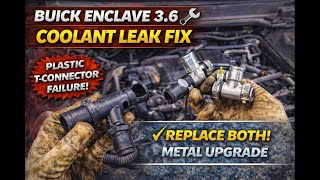
- Heater Hose T-Connectors: The 3.6L V6 engine is notorious for brittle plastic T-connectors in the heater hose assemblies. These can crack and cause a sudden, major coolant leak. If one has failed, it is highly recommended to replace both the inlet and outlet hose assemblies. 🎬 See how to fix these common brittle heater hose T-connectors
- Coolant: Always refill the system with fresh, new coolant that meets GM's Dex-Cool specification. Never reuse old coolant.
Replacement Procedure Overview

Replacing the radiator on these SUVs is a moderately difficult job that typically takes a professional 3-5 hours. It requires removing the front bumper cover for access.
Key Steps:
- Disconnect the negative battery terminal.
- Drain the cooling system. These models do not have a radiator drain plug (petcock). You must remove the lower radiator hose to drain the coolant into a large pan.
- Remove the front bumper cover and various plastic shrouds and covers. This involves removing numerous T20 Torx screws and 10mm bolts.
- Disconnect the upper radiator hose, overflow hose, and electric cooling fan connector.
- Disconnect the transmission cooler lines from the radiator. Use a pick tool to remove the small metal clips. Be prepared for some transmission fluid to leak out.
- Unbolt the radiator support brackets (typically 10mm bolts).
- Carefully separate the A/C condenser from the front of the radiator (they are clipped together) and gently move it aside without disconnecting the A/C lines.
- Lift the radiator and fan assembly out of the vehicle.
- Transfer the cooling fans from the old radiator to the new one (held on by T20 or 10mm fasteners). 🎬 Watch this step-by-step walkthrough of the full radiator replacement procedure
- Installation is the reverse of removal. After installation, refill the system with a 50/50 mix of Dex-Cool compatible coolant and distilled water. Properly bleed the air from the system by running the engine with the radiator cap off and the heater on high until the thermostat opens and all air bubbles are purged.
Frequently Asked Questions (FAQ)
Can I use a standard radiator if my vehicle has the V08 Heavy Duty Cooling option?
No. The V08 radiator has different dimensions and cooling capacity. Using a standard radiator in a vehicle that requires the heavy-duty version can lead to inadequate cooling, especially under load (like towing) or in hot climates, which can result in engine and transmission damage.
Is it possible to repair a cracked plastic radiator tank?
While some specialized plastic welding kits and epoxies exist, they are generally considered temporary fixes at best. The constant pressure and temperature cycles in a cooling system will likely cause the repair to fail over time. Replacement is the only reliable, long-term solution for a cracked radiator tank.
Why did my radiator fail at low mileage?
Radiator failure on these models is more closely linked to age and heat cycles than to mileage alone. The plastic end tanks become brittle over many years of heating up and cooling down. A 10-year-old vehicle with 60,000 miles may be more likely to have a radiator failure than a 4-year-old vehicle with 100,000 miles.
What type of coolant should I use?
You must use an antifreeze that meets the GM Dex-Cool specification. It is typically orange or pink. Mixing it with traditional green coolant can cause it to gel, leading to blockages and severe cooling system damage. Always mix the coolant with distilled water, not tap water, to prevent mineral deposits.
Helpful Videos
Technical Specifications
OEM Part Numbers: 15226650 20772530 20841738 22860600 22893857 23347009 23428277 23434160 84079536
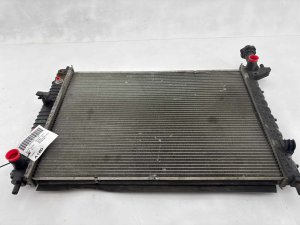
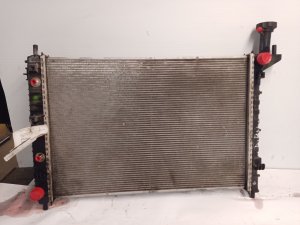
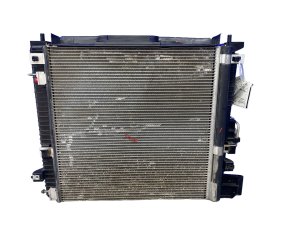
Core Material: Aluminum, Tank Material: Plastic. Includes integrated automatic transmission fluid cooler. For vehicles with RPO Code V08 (Heavy Duty Cooling).
We Have This Part in Stock

The information in this article is provided for general reference and educational purposes only. Vehicle specifications, procedures, and part compatibility can vary by production date, trim level, and region. Always consult your vehicle's factory service manual and verify part numbers before purchasing or performing repairs. Safety-critical components such as airbags, seat belts, and braking systems should be installed by a qualified professional.
- Buick Enclave:
- Chevrolet Traverse:
- GMC Acadia:
- GMC Acadia Limited:
- Saturn Outlook:
- 🎬 Helpful Videos
- 🛍️ Shop This Part
- Symptoms of Radiator Failure
- Known Issues, TSBs, and Recalls
- Variant Differences: The V08 Heavy Duty Cooling Option
- How to Verify if You Have the V08 Option:
- Buying a Used Radiator: What to Look For
- Cost Comparison
- Related Parts to Replace at the Same Time
- Replacement Procedure Overview
- Frequently Asked Questions (FAQ)
- 🎟️ Get 5% Off