

2023-2025 Equinox & Terrain 1.5L Radiator: Causes of Overheating and Replacement Guide
A complete reference for diagnosing, replacing, and buying a used radiator for your 2023-2025 Chevrolet Equinox or GMC Terrain with the 1.5L engine.
- This radiator (GM P/N 84989891) fits 2023-2025 Chevrolet Equinox and GMC Terrain models with the 1.5L Turbo engine only.
- The most common failure symptoms are engine overheating, visible coolant leaks, and discolored/sludgy coolant.
- Replacement is a moderately difficult DIY job because the front bumper must be removed to access the radiator.
- When buying a used radiator, carefully inspect the plastic side tanks for cracks and the aluminum core for signs of leaks or corrosion.
Compatibility Warning: 1.5L Engine Only
Important: This radiator, GM Part Number 84989891, is for the 2023-2025 Chevrolet Equinox and GMC Terrain models equipped with the 1.5L Turbo engine. While the 2.0L engine was available in previous years, it was not offered for these specific model years in the North American market. Always verify fitment with your vehicle's VIN before purchasing.
Symptoms of a Failing Radiator
A radiator problem will almost always manifest as an engine overheating issue. If you notice any of the following signs, you should inspect your cooling system immediately. Driving with a bad radiator can cause catastrophic engine damage.
- Engine Overheating: The most obvious sign is the temperature gauge on your dashboard climbing into the red zone. The vehicle may also display a warning message or turn on the check engine light. An overheating engine may also lead to poor acceleration, a burning smell, or clicking noises.
- Visible Coolant Leaks: You may find puddles of brightly colored fluid under the front of your vehicle after it has been parked. Coolant is typically bright green, yellow, or orange/pink and has a distinct sweet smell. Leaks can come from the radiator itself, the plastic tanks on the sides, or the connecting hoses.
- Low Coolant Level: A constantly dropping coolant level in the overflow reservoir is a sure sign of a leak somewhere in the system. You may need to top it off frequently.
- Discolored or Sludgy Coolant: Healthy coolant should be clean and brightly colored. If the coolant in your reservoir looks rusty, brown, or oily, it indicates internal corrosion or contamination within the radiator. This can lead to clogs and reduced cooling efficiency.
- Bent or Damaged Fins: The thin fins on the face of the radiator can be easily damaged by road debris. Significant damage can block airflow and reduce the radiator's ability to dissipate heat.
Known Issues, Recalls, and Service Bulletins
As of early 2026, there are no active safety recalls specifically for the radiator on the 2023-2025 Chevrolet Equinox and GMC Terrain.
Technical Service Bulletins (TSBs)
While not a safety recall, GM has issued technical service bulletins related to the radiator mounting system that may affect these vehicles.
- TSB 21-NA-122: This bulletin addresses a customer concern of excessive vibration felt in the steering wheel, seat, or floor at idle or low speeds. The cause may be loose radiator brackets, and the fix involves replacing them. This applies to 2021-2024 models, including the Equinox and Terrain.
- TSB 19-NA-098: For earlier 2018-2020 models, a TSB was issued for a knocking noise from the front end when going over bumps or turning at low speeds. This was caused by a clearance issue between the radiator housing and its support sleeve. While this TSB doesn't officially cover 2023+ models, the symptom is useful for diagnosis if you hear a similar noise.
Buying a Used Radiator for Your Equinox or Terrain
A used OEM radiator can be a cost-effective and reliable alternative to expensive new parts, especially since failures on these newer vehicles are often due to road debris damage rather than age. Here’s what to inspect carefully:
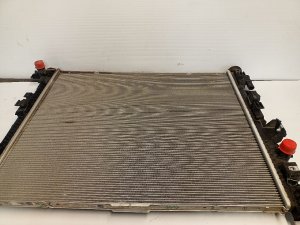
- Check the Plastic End Tanks: Modern radiators use aluminum cores with plastic tanks crimped onto the sides. This is a common failure point. Inspect the tanks for any hairline cracks, especially around the hose connections and mounting points.
- Look for Signs of Leaks: Examine the entire radiator for chalky white or colored residue, which indicates a past or present coolant leak. Pay close attention to the seams where the aluminum core meets the plastic tanks. Corrosion or stripped paint can also be a sign of a slow leak.
- Inspect the Fins and Core: Look down the fins to ensure they are straight and clean. A few bent fins are acceptable and can be carefully straightened with a small screwdriver, but large areas of crushed fins will impede airflow and reduce performance. Avoid any radiator with visible damage or punctures to the core tubes.
- Examine the Interior: Look through the inlet and outlet ports. The inside should be relatively clean. If you see a thick, brownish, or sludgy residue, it may indicate the previous owner used a stop-leak additive or neglected cooling system maintenance. While not always a deal-breaker, a clean interior is preferable.
- Verify Part Numbers: Ensure the part number is 84989891. While other part numbers might look similar, differences in mounting points or hose locations can make them incompatible. A used OEM part with the correct number is a guaranteed fit.
- Ask About a Warranty: Reputable sellers of used parts often provide a warranty. This protects you in case the radiator has a small leak that isn't visible until it's installed and pressurized.
Pro Tip: A used radiator from a low-mileage vehicle that was involved in a rear-end collision is often an excellent find, as the cooling system is typically undamaged.
Replacement Overview & DIY Feasibility
Replacing the radiator on a 2023-2025 Equinox or Terrain is a moderately difficult job that can be performed by an experienced DIY mechanic. The primary challenge is the need to remove the front bumper cover to gain access.
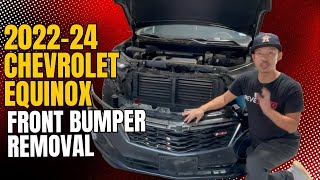
🎬 Watch this guide for the fastest way to remove the bumper.- Difficulty: 4/5
- Estimated Time: 3-5 hours
- DIY Feasible: Yes, for experienced individuals.
General Steps:
- Drain the Coolant: With the engine cold, open the radiator's drain plug (petcock) at the bottom and drain the coolant into a pan.
- Remove Front Bumper: This involves removing numerous clips and bolts in the wheel wells, under the hood, and underneath the vehicle.
- Disconnect Components: The active grille shutters, A/C condenser, and cooling fan are all mounted in front of or directly to the radiator. These do not need to be fully removed but must be unbolted and carefully moved aside. Do not disconnect the A/C lines unless you have the equipment to properly recover the refrigerant.
- Disconnect Hoses: Remove the upper and lower radiator hoses and any transmission cooler lines connected to the radiator.
- Remove Radiator: Unbolt the upper radiator mounts and lift the radiator out of the vehicle. 🎬 See a step-by-step walkthrough of the radiator replacement process. It may be easier to remove it from the bottom on some models.
- Install New Radiator: Transfer any rubber mounting grommets from the old radiator to the new one. Install the new radiator and re-secure the fan, condenser, and grille shutters.
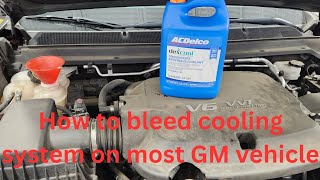
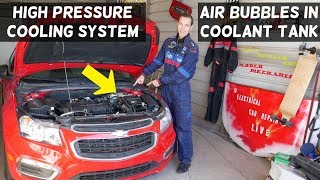
- Refill and Bleed System: Reconnect all hoses and fill the system with a 50/50 mix of DEX-COOL compatible coolant and distilled water. Use a spill-free funnel to properly bleed all air from the cooling system 🎬 Watch how to properly bleed the cooling system on GM vehicles. to prevent overheating.
Related Parts to Consider
When replacing the radiator, it's a good time to inspect and potentially replace other cooling system components, especially on higher-mileage vehicles.
- Radiator Hoses: Check the upper and lower hoses for softness, swelling, or cracks. It's inexpensive preventative maintenance to replace them with the radiator.
- Thermostat: If the vehicle has been overheating, the high temperatures can damage the thermostat.
- Coolant: Always use fresh, new coolant. The total system capacity is approximately 7.0 quarts (6.6 liters), so you will need at least two gallons of 50/50 pre-mixed coolant for a full flush and fill.
Cost Comparison
The cost to replace the radiator can vary significantly based on the parts you choose and whether you perform the labor yourself.
| Part/Service | Estimated Cost |
|---|---|
| New OEM Radiator | $110 - $160 |
| New Aftermarket Radiator | $125 - $280 |
| Used OEM Radiator | $75 - $125 |
| Shop Labor | $490 - $715 |
| Total Professional Replacement | $1,122 - $1,350 (with new aftermarket part) |
Frequently Asked Questions (FAQ)
Can I drive my Equinox or Terrain with a leaking radiator?
It is not recommended. A small leak can quickly become a large one, leading to rapid coolant loss and severe engine overheating. This can result in thousands of dollars in engine damage. If the temperature gauge is rising, pull over immediately.
Is it okay to use a stop-leak additive?
Stop-leak products should only be considered a temporary, emergency fix to get you to a repair shop. They work by circulating and hardening, which can clog not only the leak but also narrow passages in the radiator, heater core, and engine, potentially causing more problems in the long run.
Why is my engine still overheating with a new radiator?
If you've replaced the radiator and the engine still overheats, the problem could be air trapped in the system, a faulty thermostat, a failing water pump, or an inoperative cooling fan. The most common issue after replacement is improper bleeding of air from the system.
What kind of coolant should I use?
These vehicles require a DEX-COOL compatible OAT (Organic Acid Technology) coolant. It is typically orange or pink. Using the wrong type of coolant can lead to corrosion and damage to cooling system components. Always use a 50/50 mixture with distilled water or buy a pre-mixed solution.
Technical Specifications
| Specification | Value |
|---|---|
| OEM Part Number | 84989891 |
| Engine Application | 1.5L Turbo L4 Gas |
| Core Material | Aluminum |
| Tank Material | Plastic |
| Flow Type | Crossflow |
| Coolant Type | DEX-COOL Compatible OAT |
| Cooling System Capacity | ~7.0 quarts / 6.6 Liters |
Helpful Videos

Technical Specifications
OEM Part Numbers: 84989891
Cooling System Capacity: ~7.0 quarts (6.6 Liters). Coolant Type: DEX-COOL compatible. Materials: Aluminum Core, Plastic Tanks.
We Have This Part in Stock

The information in this article is provided for general reference and educational purposes only. Vehicle specifications, procedures, and part compatibility can vary by production date, trim level, and region. Always consult your vehicle's factory service manual and verify part numbers before purchasing or performing repairs. Safety-critical components such as airbags, seat belts, and braking systems should be installed by a qualified professional.
- Chevrolet Equinox:
- GMC Terrain:
- 🎬 Helpful Videos
- 🛍️ Shop This Part
- Compatibility Warning: 1.5L Engine Only
- Symptoms of a Failing Radiator
- Known Issues, Recalls, and Service Bulletins
- Technical Service Bulletins (TSBs)
- Buying a Used Radiator for Your Equinox or Terrain
- Replacement Overview & DIY Feasibility
- Related Parts to Consider
- Cost Comparison
- Frequently Asked Questions (FAQ)
- Technical Specifications
- 🎟️ Get 5% Off