

1996-2002 Express & Savana 6.5L Diesel Radiator: A Guide to Overheating, Failures, and Replacement
This guide covers the specific radiator used in 1996-2002 Chevrolet Express/GMC Savana 2500 & 3500 vans, plus the 1996 G30/G3500, equipped with the 6.5L V8 turbo diesel engine.
- This radiator is specific to the 6.5L V8 turbo diesel engine (VIN 'F') and is not interchangeable with gas engine models.
- Engine overheating is a critical symptom. Driving with a bad radiator can cause catastrophic engine damage.
- When replacing the radiator, it is highly recommended to also replace the hoses, thermostat, and radiator cap, and to carefully inspect the fan clutch, a common failure point on these vans.
- Original GM radiators are discontinued, making quality used OEM or new aftermarket parts the only options. Carefully inspect used radiators for cracks, leaks, and internal sludge.
Symptoms of a Failing Radiator
A failing radiator in your Chevrolet Express, GMC Savana, Chevrolet G30, or GMC G3500 van will produce several distinct warning signs. Given the 6.5L diesel's sensitivity to heat, addressing these symptoms immediately is critical.
Engine Overheating
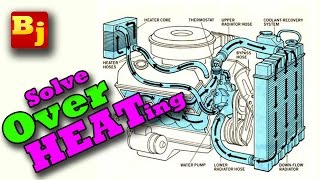
This is the most serious and obvious symptom. If you notice the temperature gauge on your dashboard climbing into the high range or entering the red zone, your cooling system is not working correctly. An overheating engine can quickly lead to severe damage. You might also notice 🎬 Watch: 9 steps to solve engine overheating issues poor acceleration or a burning smell when the engine gets too hot.
Visible Coolant Leaks
Puddles of green or orange fluid under the front of your van are a clear sign of a leak. On these radiators, leaks commonly develop where the plastic end tanks are crimped to the aluminum core, or from cracks in the plastic itself. You might also see white or colored crusty residue where small leaks have evaporated.
Low Coolant Level
If you frequently need to add coolant to the overflow tank, you likely have a leak somewhere in the system. Even if you don't see a puddle, a slow leak can cause your coolant level to drop over time, reducing the cooling system's effectiveness.
Contaminated or Discolored Coolant
Coolant should be a bright green or orange/pink color. If the coolant in your overflow tank looks rusty, brown, or has a thick, sludgy consistency, it indicates internal corrosion or contamination. This can clog the small passages in the radiator, making it less effective. Sometimes, a failed transmission cooler (which is integrated into the radiator) can cause transmission fluid to mix with the coolant, giving it a milky, pink appearance.
Poor Heater Performance
The cabin heater uses hot coolant flowing through a small radiator called a heater core to warm the passenger compartment. If your radiator is clogged or low on fluid, there may not be enough hot coolant circulating to the heater core, resulting in lukewarm or cold air from the vents.
Compatibility Warning: This radiator is ONLY for models with the 6.5L V8 turbo diesel engine. It will not fit vans with gasoline engines (4.3L, 5.0L, 5.7L, etc.). To confirm compatibility, check that the 8th digit of your vehicle's VIN is 'F'.
Known Issues, TSBs, and Recalls
No specific recalls or Technical Service Bulletins (TSBs) have been issued by the NHTSA for radiator failure on these specific van models. Failures are typically related to age, corrosion, or damage.
However, the 6.5L diesel platform is widely known for its cooling system challenges. Many owners and specialists recommend cooling system upgrades to improve reliability, especially for vehicles used for towing or hauling heavy loads. These upgrades often include a heavy-duty fan clutch and a high-flow water pump.
Buying a Used Radiator: What to Look For
Since the original GM part numbers for this radiator are discontinued, a quality used OEM unit is an excellent choice. Aftermarket parts can have fitment issues or use lower-quality materials that may not cool as efficiently as the original design. Here’s how to inspect a used radiator:
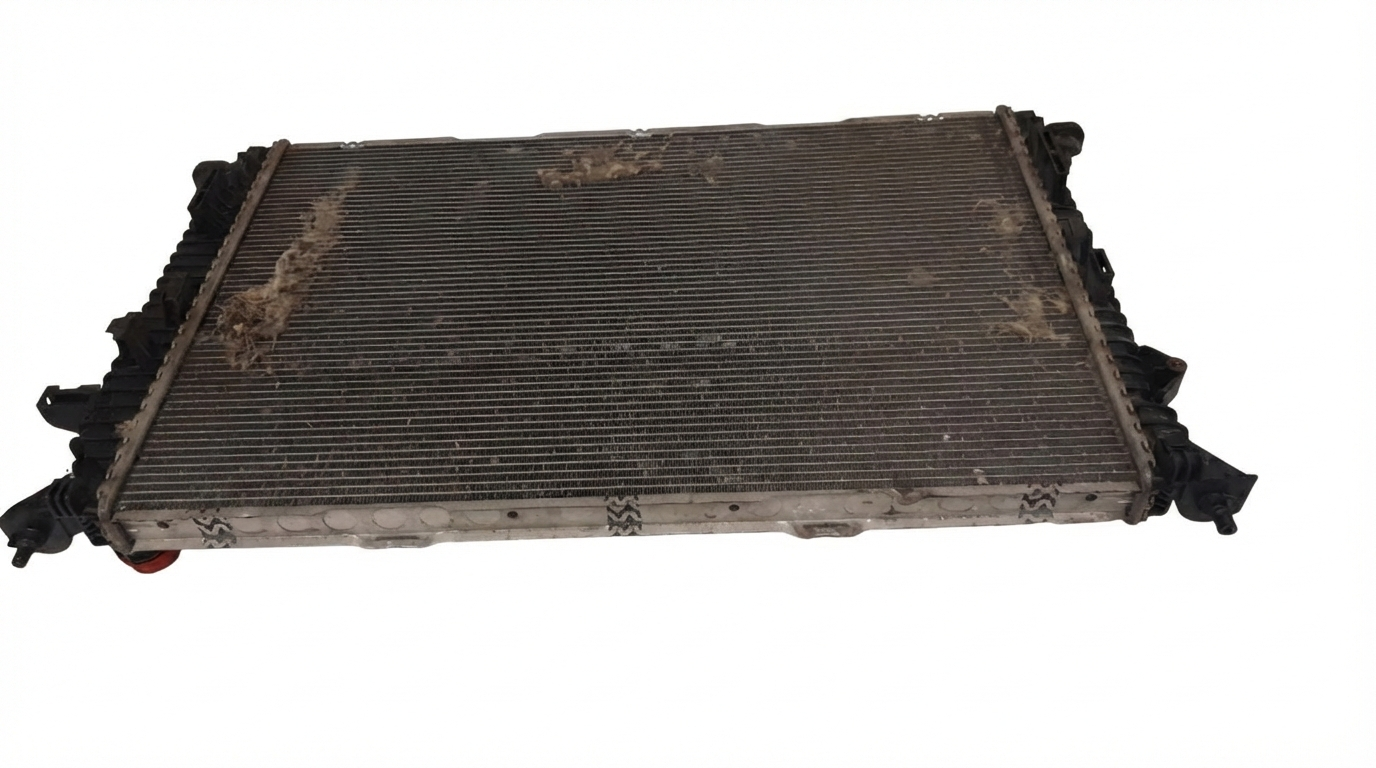
- Check the Plastic End Tanks: Carefully inspect the black plastic tanks on the sides of the radiator. Look for any cracks, especially around the hose connections. Old plastic becomes brittle and is a common failure point.
- Inspect the Fins: The delicate aluminum fins between the core tubes should be mostly straight. A few bent fins are okay, but large areas of crushed or damaged fins will reduce airflow and cooling efficiency.
- Look for Corrosion and Stains: Check the seams where the aluminum core meets the plastic tanks. Any white, green, or orange crusty residue indicates a past or present leak. Stripped paint can also be a sign that leaking coolant has sat on the surface.
- Examine the Inside: Look inside the inlet and outlet ports. If you see a thick, brownish sludge or significant residue, it means the previous owner may have neglected cooling system maintenance or used stop-leak additives, which can clog the radiator. A clean interior is a good sign.
- Verify Cooler Fittings: This radiator has integrated coolers for engine oil and transmission fluid. Ensure the threaded fittings for these cooler lines are clean, undamaged, and not stripped.
Cost Breakdown
Prices can vary based on location and supplier. The original OEM part is discontinued.
| Part Type | Estimated Cost | Notes |
|---|---|---|
| New OEM | N/A | Part numbers 15766917, 52473429, and 52486308 are discontinued by GM. |
| New Aftermarket | $120 - $250 | Standard replacement from various brands. High-performance all-aluminum versions can cost $450+. |
| Used OEM | $75 - $150 | Price depends on condition and salvage yard. Offers original fit and performance if in good condition. |
| Shop Labor | $400 - $600 | Labor costs can range from 3-5 hours depending on shop rates. |
Related Parts to Replace at the Same Time
When replacing the radiator, it's wise to inspect and often replace other cooling system components, as they are of the same age and have been subjected to the same conditions.
- Radiator Hoses: The upper and lower radiator hoses should always be replaced. They become soft and brittle over time.
- Thermostat: This is a cheap and critical part that regulates engine temperature. Replace it.
- Radiator Cap: A new cap ensures the system holds pressure correctly. The correct cap for these models is an RC81, which superseded the original RC33.
- Fan Clutch: A failing fan clutch is a common cause of overheating at low speeds or idle on the 6.5L diesel. If your van overheats in traffic but cools down on the highway, the fan clutch is the prime suspect. Test it 🎬 See this guide on replacing your cooling fan clutch and replace if necessary.
- Water Pump: While a bigger job, inspect the water pump for leaks from its weep hole. For 6.5L diesels, consider upgrading to a later-style high-flow water pump for 🎬 Watch: How to replace the 6.5L diesel water pump better cooling performance.
- Coolant: Always refill with fresh coolant. Models from 1996-2002 were factory-filled with Dex-Cool (orange). Do not mix coolant types. If you are unsure what is in the system, a complete flush is recommended.
Pro Tip: When installing new worm-gear style hose clamps, the torque spec is typically 35-45 in-lbs (4-5 N·m). Do not overtighten, as this can damage the hose or fitting.
Frequently Asked Questions (FAQ)
What type of coolant should I use in my 1996-2002 van?
These vans were originally filled with Dex-Cool, which is an orange-colored, extended-life coolant. It is important not to mix Dex-Cool with traditional green ethylene glycol coolant. If you are replacing the radiator, it's a good opportunity to flush the entire system and refill with a single, new coolant type of your choice.
My van overheats in traffic but is fine on the highway. Is it the radiator?
While it could be a clogged radiator, this specific symptom most often points to a failing fan clutch. The fan clutch is supposed to engage the cooling fan at low vehicle speeds or when stopped to pull air through the radiator. When it fails, there isn't enough airflow at idle, causing temperatures to rise. At highway speeds, the vehicle's movement forces enough air through the radiator to keep the engine cool.
Can I use a radiator from a gas engine Express or Savana?
No. The radiator for the 6.5L V8 turbo diesel is unique. It has different dimensions and specific fittings for the engine oil cooler and transmission cooler that are not the same as the gasoline engine versions.
Is rebuilding or re-coring my old radiator an option?
For most modern radiators with plastic tanks, rebuilding is not a common or cost-effective option. The failure point is often the plastic itself, which cannot be reliably repaired. While specialized radiator shops can sometimes replace the core (re-coring), the cost is usually much higher than purchasing a new aftermarket or good used OEM unit.
Helpful Videos
Technical Specifications
OEM Part Numbers: 15766917 52473429 52486308
Material: Aluminum Core with Plastic Tanks. Style: Crossflow. Includes integrated engine oil cooler and transmission fluid cooler.
We Have This Part in Stock

The information in this article is provided for general reference and educational purposes only. Vehicle specifications, procedures, and part compatibility can vary by production date, trim level, and region. Always consult your vehicle's factory service manual and verify part numbers before purchasing or performing repairs. Safety-critical components such as airbags, seat belts, and braking systems should be installed by a qualified professional.
- Chevrolet Express 2500:
- GMC Savana 2500:
- Chevrolet Express 3500:
- GMC Savana 3500:
- Chevrolet G30:
- GMC G3500:
- 🎬 Helpful Videos
- 🛍️ Shop This Part
- Symptoms of a Failing Radiator
- Engine Overheating
- Visible Coolant Leaks
- Low Coolant Level
- Contaminated or Discolored Coolant
- Poor Heater Performance
- Known Issues, TSBs, and Recalls
- Buying a Used Radiator: What to Look For
- Cost Breakdown
- Related Parts to Replace at the Same Time
- Frequently Asked Questions (FAQ)
- 🎟️ Get 5% Off