

2007-2008 Chrysler Pacifica Radiator: Leaks, Overheating, and 3.8L Engine Fitment
This guide covers common failure symptoms, replacement costs, and how to choose the right used radiator for your 2007-2008 Pacifica with the 3.8L V6 engine.
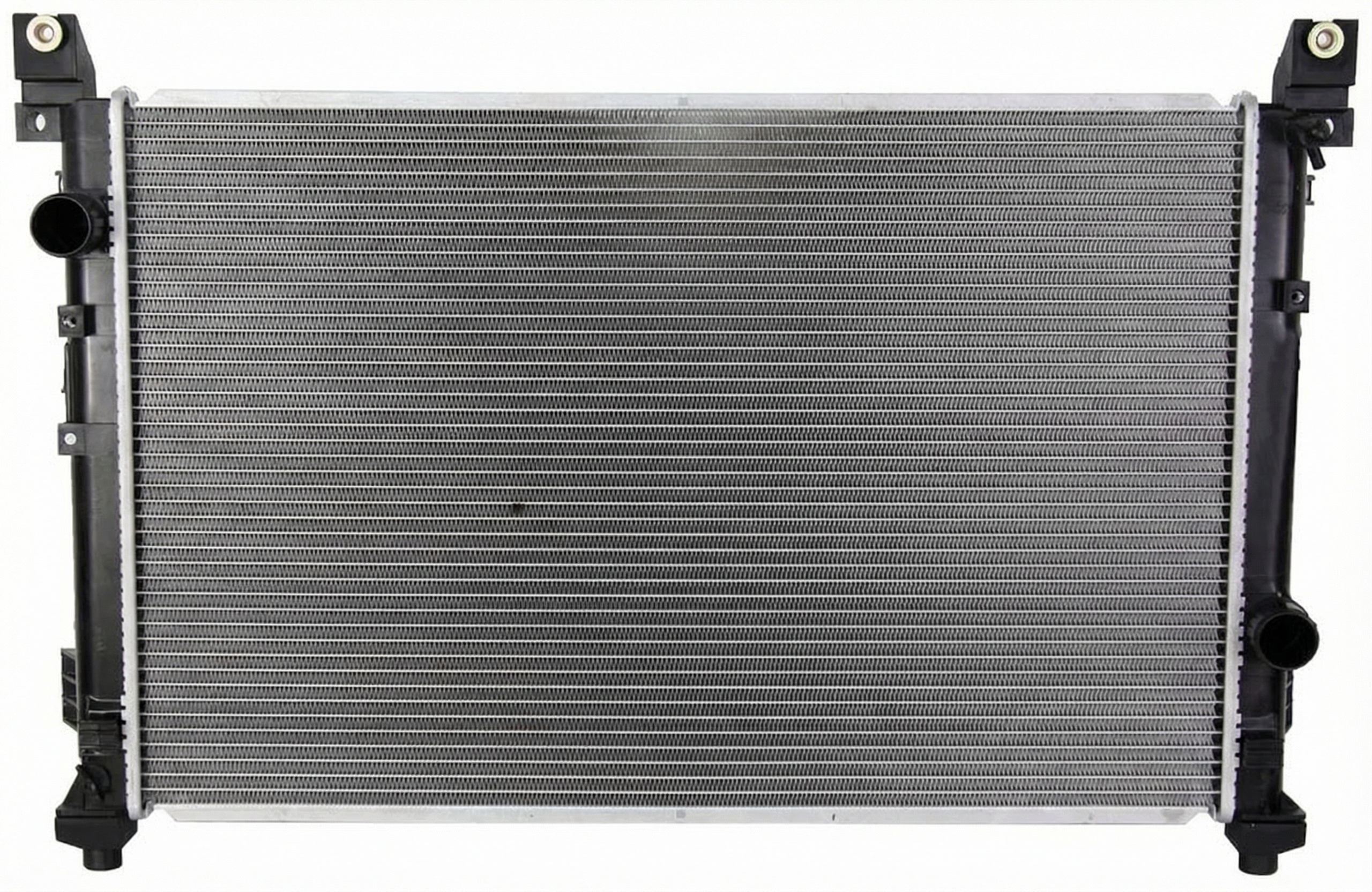
- This radiator (OEM #68002782AA) is ONLY for the 2007-2008 Pacifica with the 3.8L V6 engine.
- The most common failure points are cracks in the plastic side tanks and leaks at the seams.
- Driving with a bad radiator can cause catastrophic engine damage; do not drive if the car is overheating.
- When replacing the radiator, it's best practice to also replace the hoses, thermostat, and radiator cap.
Symptoms of a Failing Radiator
A failing radiator gives several warning signs. Ignoring them can lead to catastrophic engine failure, so it's important to address them quickly.
Engine Overheating
This is the most critical symptom. If your Pacifica's temperature gauge climbs into the red zone, or if you see a temperature warning light, your engine is running too hot. An overheating engine might also cause poor acceleration, a burning smell, or clicking noises. You may see steam or smoke coming from under the hood. If you see these signs, pull over immediately and turn off the engine to prevent permanent damage. Driving with an overheating engine can cause head gaskets to fail and internal engine components to melt.
Coolant Leaks
Visible puddles of brightly colored fluid (green, orange, or pink) under the front of your car are a sure sign of a coolant leak. The fluid has a distinctively sweet smell. Leaks often occur from cracks in the plastic end tanks of the radiator or from corroded aluminum sections. Even a small leak can eventually lead to low coolant levels and overheating.
Low or Discolored Coolant
If you frequently have to add coolant to the reservoir, you likely have a leak somewhere in the system. Also, check the color of the coolant. It should be a bright, translucent color. If it appears rusty, oily, or sludgy, it indicates contamination and potential internal corrosion in the radiator.
Visible Damage
Pop the hood and look at the radiator itself. The thin metal fins can get bent or clogged with debris, which reduces airflow and cooling efficiency. More seriously, look for white or greenish crusty deposits, especially around the seams where the plastic tanks meet the aluminum core. This indicates a slow leak that has been evaporating. Also, inspect the plastic inlet and outlet necks for cracks, as these are common failure points.
Critical Warning: 3.8L vs. 4.0L Engine Compatibility
The radiator for the 2007-2008 Chrysler Pacifica is engine-specific. The OEM part number 68002782AA is designed ONLY for models equipped with the 3.8L V6 engine. It will NOT fit models with the 4.0L V6 engine. While some aftermarket parts claim to fit both, their fitment can be poor, leading to installation problems. Always verify your engine size before purchasing a radiator to avoid buying the wrong part.
🎬 Watch this step-by-step radiator replacement for 2007-2008 models.Buying a Used Radiator
A used OEM radiator can be a smart, cost-effective choice compared to cheap aftermarket alternatives, which may have issues with fitment or cooling performance. However, since a radiator is a wear item, careful inspection is crucial.
- Inspect the Plastic End Tanks: This is the most common failure point. Look for any hairline cracks, especially around the inlet and outlet hose connections. The plastic should not be faded, brittle, or chalky.
- Check for Leaks: Look for any signs of past leaks, such as white or green crusty residue (from dried coolant). Pay close attention to the seams where the plastic tanks are crimped to the aluminum core.
- Examine the Fins: A few bent fins are normal and can be carefully straightened with a fin comb. However, large areas of crushed or corroded fins will reduce the radiator's ability to cool effectively.
- Look Inside: Peer into the inlet and outlet ports. You should see clean aluminum. If you see heavy, sludgy buildup or a rusty color, the radiator may be clogged internally and should be avoided.
- Mileage Consideration: Radiators with plastic tanks typically have a lifespan of 8-10 years or around 100,000-120,000 miles before the plastic becomes brittle. A used radiator from a lower-mileage vehicle is always a better bet.
- Transfer Necessary Parts: Remember to transfer any rubber mounting bushings 🎬 See a mechanic demonstrate the full removal and installation process. or brackets from your old radiator to the new one, as these are often not included.
Known Issues, Recalls, and TSBs
As of early 2026, there are no specific recalls or widespread Technical Service Bulletins (TSBs) directly concerning radiator failure for the 2007-2008 Chrysler Pacifica. The most significant known issue is the strict compatibility difference between radiators for the 3.8L and 4.0L engines. While a recall (G39) was issued in 2007 for some 2007-2008 Chrysler models regarding a cooling fan motor connector, it applied to Sebring and Avenger models with the 2.4L engine, not the Pacifica.
Cost Comparison
The cost to replace a radiator can vary significantly based on the part source and labor rates.
| Part/Service | Estimated Cost |
|---|---|
| New OEM (Mopar) | $350 - $500+ (Part has been discontinued but may be available as new-old-stock) |
| New Aftermarket | $90 - $170 |
| Used OEM | $50 - $125 |
| Shop Labor | $300 - $500 |
| Total Professional Replacement | $400 - $1,055+ |
Related Parts to Replace
When replacing the radiator, it is highly recommended to replace several other related components at the same time. The cooling system is pressurized and all parts age together. Replacing these inexpensive items now can save you from another repair in the near future.
- Radiator Hoses (Upper and Lower): Hoses become brittle and soft over time and can fail without warning.
- Thermostat: This part regulates coolant flow and is critical for engine temperature management. It's an inexpensive part that is much easier to access while the system is drained.
- Radiator Cap: The cap holds pressure in the system, raising the boiling point of the coolant. A faulty cap can lead to overheating.
- Coolant/Antifreeze: The system must be drained for the repair, so it will need to be refilled with fresh coolant. For the 2007-2008 Pacifica, a universal yellow or a compatible HOAT (Hybrid Organic Acid Technology) coolant is recommended. Always use a 50/50 mix with distilled water.
Frequently Asked Questions (FAQ)
Will this radiator fit my Pacifica with the 4.0L engine?
No. This radiator, OEM part number 68002782AA, is specifically for the 3.8L V6 engine. The radiator for the 4.0L V6 has different dimensions and hose locations. While some aftermarket parts claim to be universal, it is best to purchase the specific part for your engine to ensure proper fit and function.
Can I use a stop-leak additive for a small radiator leak?
It is not recommended as a permanent solution. While stop-leak products can sometimes offer a temporary fix, they can also clog the narrow passages in the radiator, heater core, and engine, leading to more severe overheating problems down the road. The best solution is to replace the leaking radiator.
What type of coolant should I use in my 2007-2008 Pacifica?
Chrysler originally specified a HOAT (Hybrid Organic Acid Technology) coolant. Many modern universal coolants, often yellow in color, are compatible and meet the required specifications for these vehicles. Always check the bottle to ensure it is compatible with your Chrysler. Do not mix different coolant types, and always use a 50/50 mixture with distilled water.
Is replacing the radiator a difficult DIY job?
For a moderately experienced DIY mechanic, it is a manageable job that takes 2-4 hours. It involves draining the coolant, removing the cooling fans, disconnecting hoses and transmission cooler lines (if applicable), and unbolting the radiator itself. The most critical step after installation is to properly bleed the cooling system to remove all air pockets, which can cause overheating if not done correctly.
🎬 Watch a helpful walkthrough of the radiator replacement procedure.Helpful Videos
Technical Specifications
OEM Part Numbers: 68002782AA
Core Material: Aluminum, Tank Material: Plastic, Core Height: 27 9/16", Core Width: 17 11/16", Core Thickness: 1 1/4", Inlet/Outlet Diameter: 1 9/16"
We Have This Part in Stock

The information in this article is provided for general reference and educational purposes only. Vehicle specifications, procedures, and part compatibility can vary by production date, trim level, and region. Always consult your vehicle's factory service manual and verify part numbers before purchasing or performing repairs. Safety-critical components such as airbags, seat belts, and braking systems should be installed by a qualified professional.
- Chrysler Pacifica: