

1987-1989 Dodge Shadow & Plymouth Sundance Radiator: A Buyer's and DIY Guide
This guide covers common failure symptoms, replacement costs, and how to choose the right used radiator for your 1987-1989 Dodge Shadow or Plymouth Sundance.
- The most critical factor when buying a replacement radiator is matching it to your car's transmission (automatic vs. manual), engine (turbo vs. non-turbo), and A/C options.
- Symptoms of failure include engine overheating, visible coolant leaks (brightly colored puddles), a sweet smell, and steam from the engine bay.
- A quality used OEM radiator is often a better value than a cheap new aftermarket one for these vehicles, but must be inspected carefully for cracks and corrosion before purchase.
- When replacing the radiator, it is highly recommended to also replace the upper and lower radiator hoses, thermostat, and radiator cap to ensure system reliability.
Symptoms of a Failing Radiator
A failing radiator on a Dodge Shadow or Plymouth Sundance will make itself known through several distinct signs. Ignoring them can lead to severe engine damage.
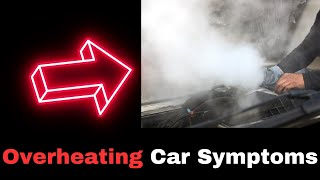
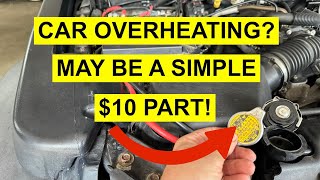
🎬 Watch: 8 common signs and causes of engine overheating- Engine Overheating: This is the most critical symptom. If the temperature gauge on your dashboard climbs into the red zone, your engine is running too hot. This can be caused by a clogged or leaking radiator that can no longer cool the engine effectively.
- Coolant Leaks: Finding puddles of brightly colored fluid (typically green, orange, or pink) under the front of your car is a sure sign of a leak. The leak could be from the radiator itself, which can develop cracks in its plastic end tanks or corrosion in its aluminum core, or from one of the connecting hoses.
- Sweet Smell: The coolant used in these vehicles (ethylene glycol) has a distinctively sweet smell. If you notice this odor after driving, it's a strong indicator that coolant is leaking and burning off on a hot engine component.
- Visible Steam from Hood: If you see white steam coming from the engine bay, pull over immediately. This often means coolant is leaking from a pressurized part of the system and hitting the hot engine, instantly turning to steam.
- Low Coolant Level: If you frequently have to add coolant to the overflow reservoir, you have a leak somewhere in the system. A bad radiator is a common cause.
- Discolored or Sludgy Coolant: The coolant should be a clean, bright color. If you look in the radiator or overflow tank and see a rusty, brown, or sludgy fluid, it indicates internal corrosion. This sludge can clog the narrow passages in the radiator, severely reducing its efficiency.
Pro Tip: Overheating in a Dodge Shadow or Plymouth Sundance isn't always the radiator. The most common causes are a coolant leak (from the radiator, water pump, or hoses), a faulty radiator fan, or a failed thermostat.
Diagnosing a Radiator Leak
If you suspect a leak but can't easily see it, the most effective diagnostic tool is a cooling system pressure tester. You can often rent these from auto parts stores.
- Wait for the engine to cool completely. Never open a hot cooling system.
- Remove the radiator cap and attach the pressure tester's adapter.
- Pump the tester by hand to pressurize the system to the level specified on the radiator cap (usually 13-16 PSI).
- Watch the gauge. If the pressure holds steady for 15-20 minutes, the system is sealed. If the pressure drops, there is a leak.
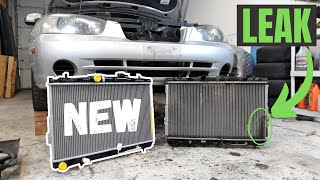
- With the system pressurized, look and listen for leaks. Coolant may drip, spray, or hiss from the location of the leak, making it much easier to find. Check all hoses, the radiator seams, and around the water pump. 🎬 See what to do if you can't find the leak
Buying a Used Radiator for Your 1987-1989 Shadow or Sundance
For a vehicle of this age, a quality used OEM radiator is often a better value than a cheap, new aftermarket part. OEM parts were designed for a perfect fit and often used durable materials. Here’s what to look for when buying used.
Physical Inspection Checklist:
- Check the Plastic End Tanks: These are the most common failure point. Inspect them closely for any hairline cracks, especially around the hose connections and where the plastic meets the aluminum core.
- Look for Previous Leaks: Stains or a crusty, colored residue (white, green, or orange) indicate a past leak. Avoid radiators that show signs of previous repairs like epoxy or sealant.
- Inspect the Fins: A few bent fins are okay, but if large sections are crushed or corroded, it will block airflow and reduce cooling performance.
- Examine the Inlet and Outlet Necks: Ensure these are not cracked, crushed, or excessively worn.
- Look Inside: Peek through the filler neck and hose connections. If you see heavy, rusty-brown buildup or a thick, oily sludge, the radiator is likely clogged internally and should be avoided.
- Verify Mounting Points: Make sure all mounting brackets and tabs are intact and not broken.
Warning: Compatibility is Crucial. Not all radiators for the Shadow and Sundance are the same. You MUST match the radiator to your car's specific configuration. When buying, verify the following:
- Transmission Type: Automatic transmission vehicles require a radiator with a built-in transmission fluid cooler. These have two small threaded fittings for the cooler lines, usually on one of the side tanks. Manual transmission radiators do not have these.
- Engine Options (Turbo): Turbocharged models (2.2L or 2.5L) generate more heat and may use a radiator with a higher cooling capacity. Always try to source a radiator from a car with the same engine.
- Air Conditioning (A/C): Cars with A/C place an extra heat load on the cooling system, as the A/C condenser sits in front of the radiator. These vehicles may have been equipped with a more efficient radiator from the factory.
Cost Comparison: Shadow & Sundance Radiator
Prices can vary significantly based on part type and who does the work. For a vehicle of this age, a used OEM part offers a great balance of quality and cost.
| Part Type | Estimated Cost (Part Only) | Notes |
|---|---|---|
| Used OEM | $50 - $150 | Best value. OEM quality and fit. Inspect carefully before buying. |
| New Aftermarket | $100 - $200 | Widely available from online retailers. Quality can vary. |
| New OEM (Mopar) | $400+ | Likely difficult to find new. Highest cost but guaranteed factory quality. |
| Shop Labor | $125 - $250 | Typically 1.5-2.5 hours of labor. |
Related Parts to Replace with Your Radiator
When you replace your radiator, it's a good idea to replace other cooling system components that are inexpensive and easy to access while the system is drained.
- Radiator Hoses: The upper and lower radiator hoses become brittle and soft over time. Replace them.
- Thermostat: This is a cheap and critical part that regulates coolant flow. It's wise to replace it anytime you do major cooling system work.
- Radiator Cap: A new cap ensures the system holds the correct pressure. A faulty cap can cause overheating or coolant loss.
- Hose Clamps: Old clamps can lose their tension. New ones are cheap insurance against leaks.
- Coolant/Antifreeze: Never reuse old coolant. Refill with a fresh, new batch of the correct type for your vehicle.
Frequently Asked Questions (FAQ)
Is it hard to replace the radiator on a Dodge Shadow or Plymouth Sundance?
For a DIY mechanic with some experience, it is a moderately difficult job that takes about 2-4 hours. The basic steps involve draining the coolant, removing the hoses and cooling fan, disconnecting transmission lines (if automatic), unbolting the old radiator, and installing the new one. The most critical final step is properly refilling the system and bleeding all the air out to prevent overheating.
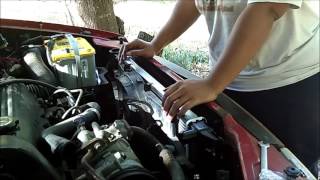
🎬 Watch this step-by-step radiator and condenser installation walkthroughCan I drive my car with a leaking radiator?
It is not recommended. A small leak can quickly turn into a major one, causing the engine to overheat and leaving you stranded. Overheating can cause thousands of dollars in engine damage. If you must drive a short distance, keep a very close eye on the temperature gauge and check the coolant level before you start.
What type of coolant should I use in my 1987-1989 Shadow/Sundance?
These vehicles originally used a traditional green IAT (Inorganic Additive Technology) coolant. Using the correct coolant is important to prevent corrosion. Always check your owner's manual or a reliable service guide, but a conventional green antifreeze is generally the correct choice for cars of this era.
My car has an automatic transmission. Can I use a radiator from a manual transmission car?
No. The radiator for an automatic transmission has a built-in cooler for the transmission fluid. A radiator from a manual transmission car will not have the necessary connections for the transmission cooler lines, and your transmission will overheat and fail.
Technical Specifications and Part Numbers
While matching the vehicle's features (engine, trans, etc.) is the most important step, these are some of the OEM part numbers associated with radiators for the 1987-1989 Dodge Shadow and Plymouth Sundance. The presence of multiple numbers reflects the different variations made for these cars.
- 04266637
- 4266434
- 4266435
- 4266633
- 4266634
- 4266635
- 4401680
(List is based on initial data and cross-references from aftermarket suppliers).
Recalls and Service Bulletins
Searches of the National Highway Traffic Safety Administration (NHTSA) database did not show any safety recalls specifically related to the radiator for the 1987-1989 Dodge Shadow or Plymouth Sundance. Most recalls for these models concerned items like seat belts and airbags.
Helpful Videos
Technical Specifications
OEM Part Numbers: 04266637 4266434 4266435 4266633 4266634 4266635 4266637 4401680
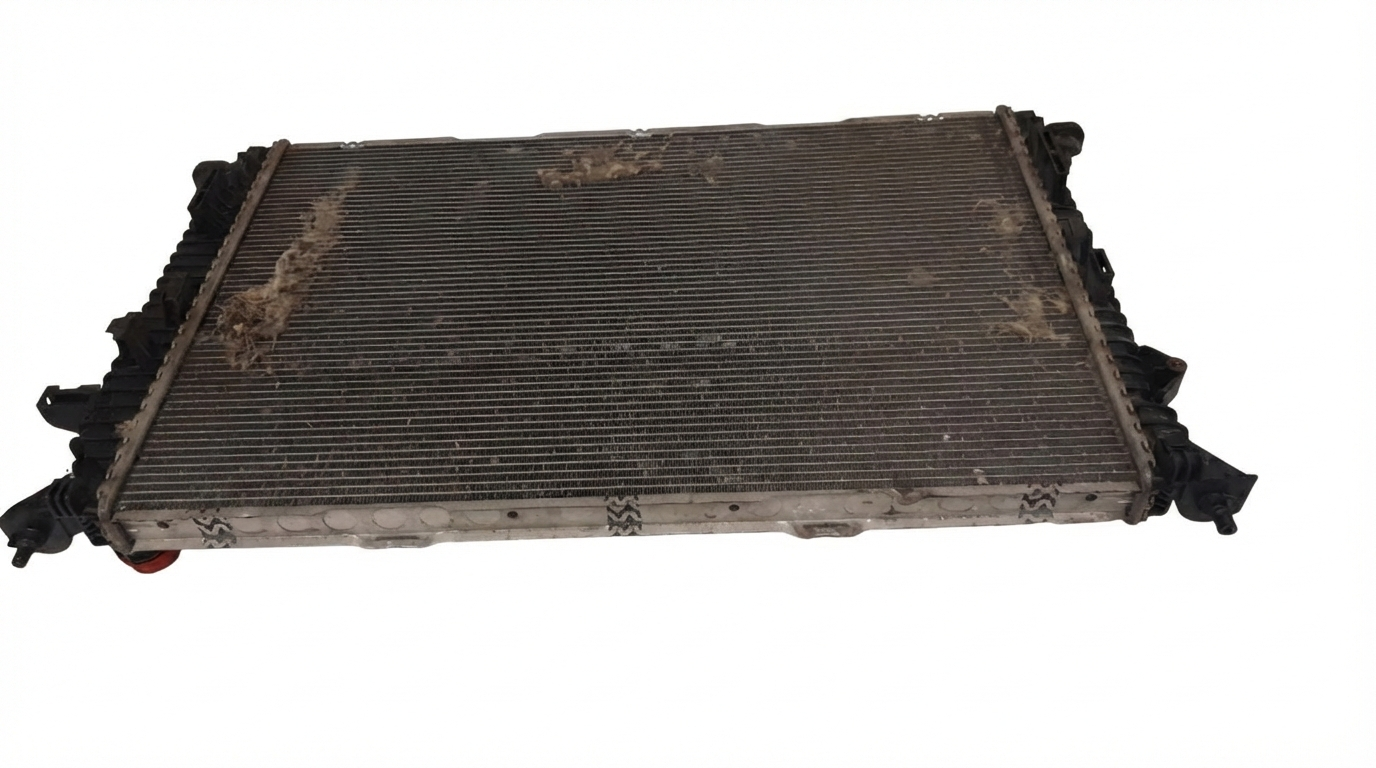
Core dimensions are approximately 21" x 14.2" x 1". Radiators are typically a single-row, aluminum core with plastic tanks. Automatic transmission versions include an integrated transmission oil cooler.
We Have This Part in Stock

The information in this article is provided for general reference and educational purposes only. Vehicle specifications, procedures, and part compatibility can vary by production date, trim level, and region. Always consult your vehicle's factory service manual and verify part numbers before purchasing or performing repairs. Safety-critical components such as airbags, seat belts, and braking systems should be installed by a qualified professional.
- Dodge Shadow:
- Plymouth Sundance:
- 🎬 Helpful Videos
- 🛍️ Shop This Part
- Symptoms of a Failing Radiator
- Diagnosing a Radiator Leak
- Buying a Used Radiator for Your 1987-1989 Shadow or Sundance
- Physical Inspection Checklist:
- Cost Comparison: Shadow & Sundance Radiator
- Related Parts to Replace with Your Radiator
- Frequently Asked Questions (FAQ)
- Technical Specifications and Part Numbers
- Recalls and Service Bulletins
- 🎟️ Get 5% Off