

2011-2012 Fisker Karma Radiator: Understanding Overheating and Cooling Fan Failures
This guide covers the critical relationship between the Fisker Karma's radiator and its failure-prone cooling fan module, a common source of overheating and engine damage.
- A faulty cooling fan module is a primary cause of overheating on the Fisker Karma and was subject to a major recall; always check the fan before replacing the radiator.
- When buying a used radiator, physically inspect the plastic end tanks for cracks and the aluminum core for signs of leaks (white or colored crust).
- Due to the vehicle's rarity, a used OEM radiator is the most practical replacement, as new aftermarket options are not available.
- The engine requires a specific orange/pink OAT coolant (Dex-Cool). Using the wrong type can cause significant damage.
Known Issues, Recalls, and Technical Service Bulletins (TSBs)
The 2011-2012 Fisker Karma's cooling system was the subject of several major safety recalls. While not all directly involved the main engine radiator, they highlight critical vulnerabilities in the vehicle's overall thermal management that can lead to overheating and subsequent radiator damage.
NHTSA Recall 12V-063000: Low Temperature Cooling Fan Fire Risk
This is the most significant issue related to overheating. A manufacturing defect in the low-temperature cooling fan could cause an internal short circuit. This failure could lead to the fan motor overheating, melting its housing, and potentially causing a vehicle fire. While this fan is part of the low-temperature circuit, its failure can impact the entire cooling system's environment and was a major point of concern. The remedy involved dealers replacing the faulty fan assembly and adding a new 20-amp fuse for better circuit protection, free of charge. An engine that repeatedly overheats due to fan failure will place extreme stress on the radiator, increasing the risk of leaks and permanent damage.
NHTSA Recalls 11V-598 & 12V-241000: High-Voltage Battery Coolant Leaks
These recalls addressed improperly positioned hose clamps within the high-voltage battery assembly. This defect could cause coolant to leak from the battery's separate cooling circuit. If the coolant entered the battery compartment, it could cause an electrical short, posing a significant fire risk. While this system is distinct from the engine radiator, it underscores the complexity and potential failure points within the Karma's various cooling loops.
🎬 See this deep dive into the Karma's complex thermal management.Symptoms of a Failing Radiator
A failing radiator on a Fisker Karma will present with classic overheating symptoms. Given the known issues with the cooling fans, it's crucial to diagnose the root cause correctly.
- Engine Overheating: The most obvious sign is the engine temperature gauge on the dashboard rising into the red zone. You may also receive a warning message on the driver display.
- Visible Coolant Leaks: You may find puddles of pink or orange fluid under the front of the car. This is likely Dex-Cool, the specified coolant for the GM-sourced engine. Leaks often occur from cracked plastic end tanks or where the hoses connect.
- Steam or a Sweet Smell from the Engine Bay: If coolant is leaking onto hot engine components, it will produce steam with a distinctively sweet smell.
- Low Coolant Level: The coolant expansion tank level will repeatedly drop, requiring frequent top-offs.
- Contaminated Coolant: Healthy coolant should be a clean, bright color. If the coolant in the reservoir looks rusty, oily, or sludgy, it indicates internal corrosion or a potential head gasket leak, both of which can clog and ruin a radiator.
Pro Tip: Before assuming the radiator is bad, always check the cooling fan's operation. A faulty cooling fan module was a primary cause of overheating in these vehicles. With the engine running and the A/C on, the fan(s) should be spinning. If they are not, the fan assembly is likely the primary problem.
Buying a Used Radiator
Due to the rarity of the Fisker Karma and the high cost or unavailability of new OEM parts, a used OEM radiator is often the most practical and cost-effective solution. Aftermarket options are virtually non-existent for this specific vehicle. Here’s what to look for when buying a used unit.
Physical Inspection Checklist:
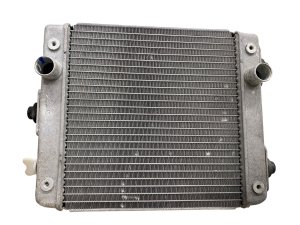
- Check the End Tanks: The plastic tanks on the sides of the aluminum core are the most common failure point. Carefully inspect them for any hairline cracks, especially around the hose connections and mounting points.
- Look for Signs of Leaks: Examine the entire radiator for white, chalky residue or colored stains. This crust is dried coolant and indicates a past or present leak. Pay close attention to the seams where the plastic tanks are crimped to the aluminum core.
- Inspect the Fins: A few bent fins are normal and can be carefully straightened with a fin comb. However, large areas of crushed or corroded fins will reduce the radiator's ability to cool and should be avoided.
- Examine the Core Internally: Look inside the inlet and outlet ports. If you see heavy, flaky corrosion or a thick, sludgy buildup, it suggests the radiator was used with improper coolant or in a poorly maintained system. This internal blockage can be difficult to flush out and will impair performance.
- Verify Part Numbers: Ensure the part number matches your vehicle's requirements. The known OEM part number is C0850290000. While other parts may look similar, the unique layout of the Karma's front end requires an exact fit.
Mileage is less of a concern for a used radiator than its physical condition. A radiator from a low-mileage car that experienced severe overheating could be in worse shape than a high-mileage one from a well-maintained vehicle. The visual inspection is paramount.
🎬 Watch: Why these cars are cheap and common failure points.Cost Comparison for Radiator Replacement
Replacing the radiator on a Fisker Karma is a significant expense, primarily driven by the rarity of the parts and the labor involved in accessing them.
| Part Type | Estimated Cost |
|---|---|
| New OEM | $800 - $1,500+ (If available) |
| New Aftermarket | Not Generally Available |
| Used OEM | $400 - $600 |
| Shop Labor | $400 - $700+ |
Warning: Labor costs can be higher than average due to the complex front-end assembly of the Karma. Accessing the radiator requires significant disassembly.
Related Parts to Replace
When replacing the radiator, it's wise to inspect and likely replace several related components, especially on an older, high-performance vehicle.
- Cooling Fan Assembly: Given the high failure rate, inspect it carefully. If there is any doubt about its condition, replace it.
- Radiator Hoses: The upper and lower radiator hoses can become brittle and weak over time. Replacing them with the radiator is cheap insurance against future leaks.
- Thermostat: A stuck thermostat can cause overheating. It's an inexpensive part that is good practice to replace at the same time.
- Coolant: Always refill the system with fresh, vehicle-specific coolant (GM Dex-Cool or equivalent). Do not reuse old coolant.
Frequently Asked Questions (FAQ)
Is my Fisker Karma's radiator bad, or is it the cooling fan?
If your car is overheating, the cooling fan is a prime suspect due to the known recalls. With the engine warm, turn on the air conditioning, which should command the fans to run. If they don't spin, the fan module is likely the problem. If the fans are working correctly but the car still overheats and/or you see visible coolant leaks from the radiator itself, the radiator is the more likely culprit.
Can I use universal coolant in my Fisker Karma?
No. The 2.0L range-extender engine is sourced from General Motors and requires a specific OAT (Organic Acid Technology) coolant, commonly known as Dex-Cool. Using the wrong type of coolant can lead to corrosion, gelling, and severe damage to the radiator and other cooling system components.
Is replacing the radiator on a Fisker Karma a DIY job?
This is not recommended for beginners. Accessing the radiator and its components on a Karma is complex due to the vehicle's packaging. The cooling system must also be properly bled using a vacuum tool to prevent air pockets, which can cause overheating. This job is best left to a professional technician 🎬 Watch: The reality of driving and maintaining a high-mileage Karma. familiar with hybrid or specialty vehicles.
Why is a used OEM radiator a better choice than a new aftermarket one for my Karma?
For most common cars, quality aftermarket radiators are a good option. However, for a low-production, specialized vehicle like the Fisker Karma, aftermarket companies have not developed direct-fit parts. A used OEM radiator is guaranteed to have the correct dimensions, mounting points, and hose connections, ensuring a proper fit without modification.
Helpful Videos


Technical Specifications
OEM Part Numbers: C0850290000
Material: Aluminum core with plastic end tanks. Coolant Type: OAT (Organic Acid Technology), GM Dex-Cool specification.
We Have This Part in Stock

The information in this article is provided for general reference and educational purposes only. Vehicle specifications, procedures, and part compatibility can vary by production date, trim level, and region. Always consult your vehicle's factory service manual and verify part numbers before purchasing or performing repairs. Safety-critical components such as airbags, seat belts, and braking systems should be installed by a qualified professional.
- Fisker Karma:
- 🎬 Helpful Videos
- 🛍️ Shop This Part
- Known Issues, Recalls, and Technical Service Bulletins (TSBs)
- NHTSA Recall 12V-063000: Low Temperature Cooling Fan Fire Risk
- NHTSA Recalls 11V-598 & 12V-241000: High-Voltage Battery Coolant Leaks
- Symptoms of a Failing Radiator
- Buying a Used Radiator
- Physical Inspection Checklist:
- Cost Comparison for Radiator Replacement
- Related Parts to Replace
- Frequently Asked Questions (FAQ)
- 🎟️ Get 5% Off