

1997-2004 Ford Mustang V6 Radiator: A Guide to Leaks, Overheating, and Replacement
This guide covers common failure symptoms, buying a used radiator, and replacement tips for the V6 Mustang from 1997 to 2004.
- The most common failure is cracking of the plastic end tanks, leading to coolant leaks.
- This radiator is for V6 models with a manual transmission. An automatic transmission radiator will fit, but its extra cooler ports will be unused.
- When buying a used radiator, carefully inspect the plastic tanks for cracks and the fins for damage.
- While replacing the radiator, it is highly recommended to also replace the hoses, thermostat, and radiator cap to ensure system reliability.
Symptoms of a Failing Radiator

A failing radiator on a 1997-2004 Mustang V6 will give several clear warning signs. Ignoring them can lead to catastrophic engine damage, so it's important to act quickly.
Overheating
The most obvious symptom is an engine that runs hotter than normal. The temperature gauge on your dashboard may climb into the red zone, especially during stop-and-go traffic or when driving uphill. Frequent overheating is a sure sign that the cooling system, and likely the radiator, is not working efficiently. This could be due to internal clogs, bent fins blocking airflow, or a low coolant level from a leak.
Visible Coolant Leaks
If you see puddles of bright green, yellow, or pink fluid under the front of your car, you have a coolant leak. On this generation of Mustang, the most common failure point is where the plastic end tanks are crimped to the aluminum core. Over time, the plastic becomes brittle from heat cycles and can crack, causing leaks. Check the top and bottom tanks for any signs of wetness or white/crusty residue, which indicates a slow leak has been occurring.
Low Coolant Level and Sweet Smell
A constantly low coolant level in the overflow tank is a strong indicator of a leak, even if you don't see a puddle. You might also notice a distinct sweet, syrupy smell after driving the car, which is the scent of burning antifreeze. This means coolant is leaking onto a hot engine component and evaporating.
Discolored or Sludgy Coolant
The coolant in your radiator should be a bright, translucent color. If you look in the overflow tank and see a rusty, brown, or sludgy fluid, it's a sign of internal corrosion or contamination. This sludge can clog the narrow passages inside the radiator, severely reducing its ability to cool the engine.
Known Issues, TSBs, and Recalls

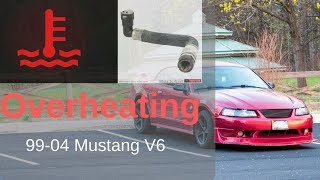
For the 1997-2004 Ford Mustang, there are no specific recalls for the V6 radiator itself. However, general cooling system issues are common. The most prevalent problem is the failure of the plastic end tanks, which crack and leak over time. While no official recall exists for this, it is a widely documented failure among owners. Additionally, various Technical Service Bulletins (TSBs) have been issued for related cooling system components, such as heater core leaks (TSB 06-21-19) 🎬 See how to fix common overheating caused by hose leaks. and coolant venting from the degas bottle on other Ford models, which points to general cooling system diagnostics that can be relevant. There was also an extended coverage program for cracked composite intake manifolds on some models, which could cause coolant leaks.
Compatibility Warning: This radiator is specifically for 1997-2004 Ford Mustang models with a 3.8L or 3.9L V6 engine and a manual transmission. Radiators for automatic transmission models have extra fittings for a transmission fluid cooler. While an automatic-spec radiator can be used on a manual car by leaving the transmission cooler ports open or capped, a manual-spec radiator cannot be used on an automatic car.
Buying a Used Radiator for Your 1997-2004 Mustang

A used OEM radiator can be a cost-effective and reliable option, but careful inspection is key. Here’s what to look for:
- Inspect the Plastic End Tanks: This is the most critical area. Look for any hairline cracks, especially around the inlet/outlet necks and where the plastic meets the aluminum core. Reject any radiator with visible cracks.
- Check the Fins: The thin aluminum fins should be mostly straight. A few bent fins are okay and can be carefully straightened with a small screwdriver, but large areas of crushed fins will block airflow and reduce cooling efficiency.
- Look for Corrosion: Check the aluminum core for white, crusty corrosion or flaking paint, which can indicate past leaks.
- Examine the Interior: Look inside the inlet and outlet ports. The inside should be relatively clean. A thick, brown, sludgy residue suggests the previous owner neglected coolant changes, and the radiator may be internally corroded or clogged.
- Verify Part Numbers: If possible, match the OEM part number to ensure you are getting the correct part for your V6 manual transmission model. Known part numbers include 1R3H8005AA, 1R3Z8005CA, F7ZH8005DA, and F8ZH8005CA.
Cost Comparison
| Part Type | Price Range |
|---|---|
| New OEM (Motorcraft) | $250 - $350 |
| New Aftermarket | $70 - $150 |
| Used OEM | $50 - $100 |
| Shop Labor Cost | $263 - $386 |
Related Parts to Replace

When replacing your radiator, it's wise to replace several other cooling system components at the same time. Since you'll have the system drained, this saves you from future labor costs and potential failures.
- Radiator Hoses: The upper and lower radiator hoses can become soft, brittle, or swollen over time. Replace them to prevent a future blowout.
- Thermostat: This small but vital part controls coolant flow. It's inexpensive and easy to replace when the radiator is out.
- Radiator Cap: The cap holds pressure in the system, raising the boiling point of the coolant. A weak cap can cause overheating.
- Coolant: Always refill the system with fresh, new coolant mixed 50/50 with distilled water. For this Mustang, a conventional green coolant is typically specified.
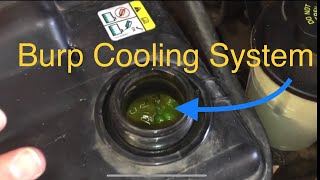
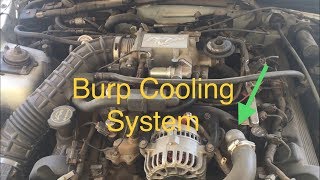
Pro Tip: When refilling the cooling system, air can get trapped. After filling, let the engine run with the heater on high and the radiator cap off to help "burp" the air out of the system. Top off the coolant as the level drops. A spill-proof funnel kit makes this process much cleaner and easier.
🎬 Watch a pro demonstrate how to properly burp the system.Frequently Asked Questions (FAQ)
Can I use a radiator from an automatic Mustang in my manual V6?
Yes. The radiator for an automatic has two extra ports for the transmission cooler. On a manual car, these ports are not used and can be left open or capped. However, you cannot do the reverse; a manual-spec radiator will not work on an automatic car.
What kind of coolant should I use in my 1997-2004 Mustang V6?
For this era of Mustang, a conventional IAT (Inorganic Additive Technology) coolant, which is typically green in color, is the standard recommendation. Always mix it 50/50 with distilled water.
Is replacing the radiator a difficult DIY job?
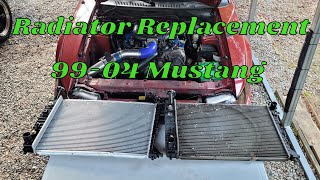
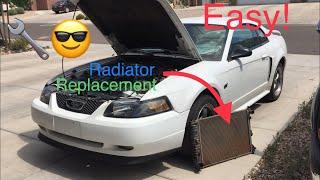
For a moderately experienced DIY mechanic, replacing the radiator is a straightforward job that takes 2-3 hours. It requires basic hand tools like sockets and pliers. The main steps involve draining the coolant, removing hoses, disconnecting the fan shroud, and unbolting the radiator brackets.
🎬 Watch this step-by-step guide to replacing your V6 radiator.Why are the plastic parts on the radiator a problem?
Modern radiators use plastic for the end tanks (the top and bottom or side sections) to save weight and cost. However, after thousands of heat cycles over many years, the plastic becomes brittle and can develop cracks, leading to leaks. This is the most common failure mode for original radiators on these Mustangs.
Helpful Videos
Technical Specifications
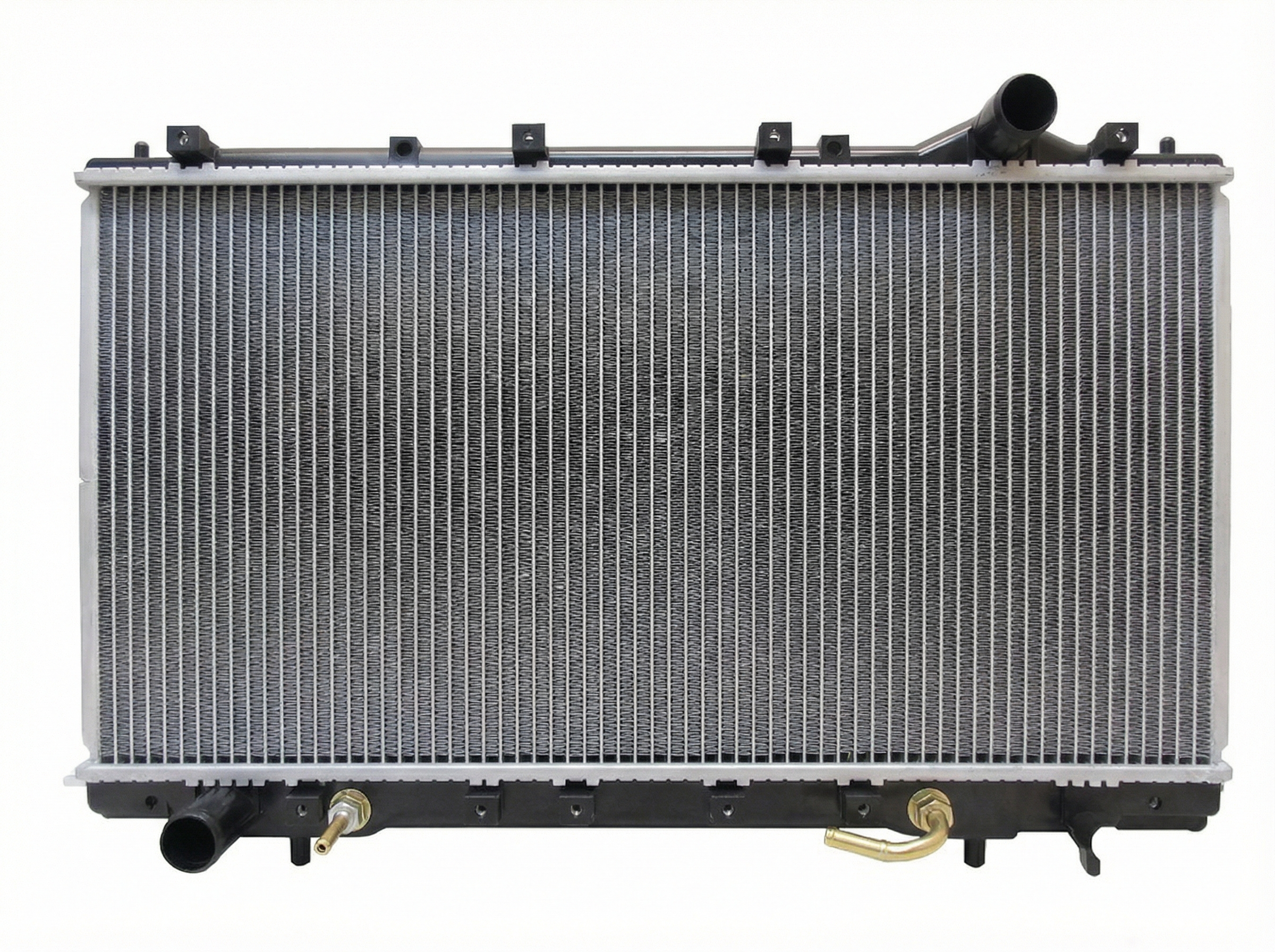
OEM Part Numbers: 1R3H8005AA 1R3Z8005CA F7ZH8005DA F8ZH8005CA
Core Material: Aluminum, Tank Material: Plastic. Designed for 3.8L & 3.9L V6 engines with manual transmission.
We Have This Part in Stock

The information in this article is provided for general reference and educational purposes only. Vehicle specifications, procedures, and part compatibility can vary by production date, trim level, and region. Always consult your vehicle's factory service manual and verify part numbers before purchasing or performing repairs. Safety-critical components such as airbags, seat belts, and braking systems should be installed by a qualified professional.
- Ford Mustang:
- 🎬 Helpful Videos
- 🛍️ Shop This Part
- Symptoms of a Failing Radiator
- Overheating
- Visible Coolant Leaks
- Low Coolant Level and Sweet Smell
- Discolored or Sludgy Coolant
- Known Issues, TSBs, and Recalls
- Buying a Used Radiator for Your 1997-2004 Mustang
- Cost Comparison
- Related Parts to Replace
- Frequently Asked Questions (FAQ)
- 🎟️ Get 5% Off